A West Virginia mother is asking the state’s Supreme Court to restore her physical and legal custody of her children. The dispute hinges on allegations that she used Bible verses in a way deemed abusive, highlighting a complex intersection of faith and law.
Subscribe
Breaking News
WV Supreme Court considering child abuse case that involves mother’s use of Bible verses

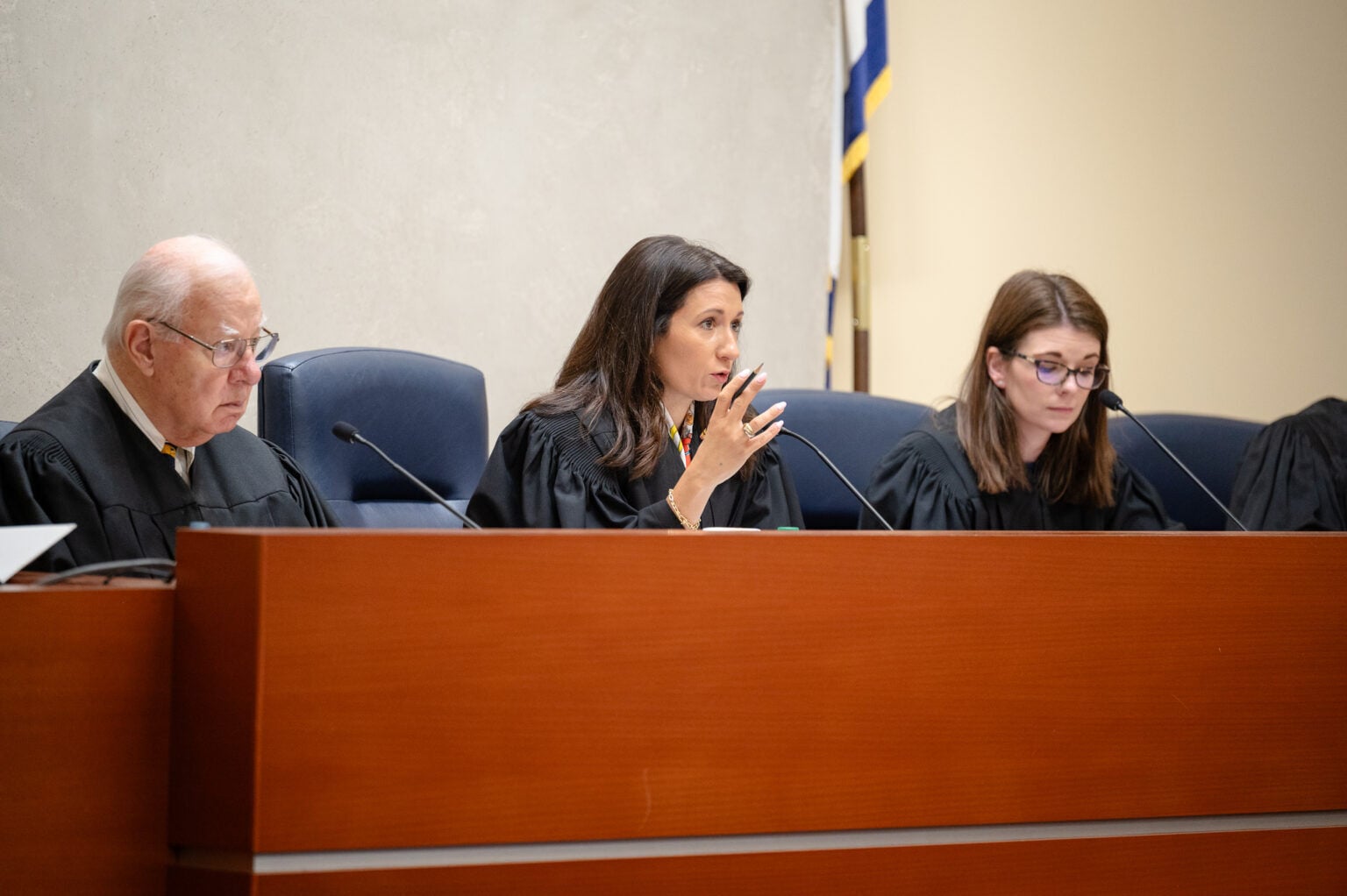
Photo by Bluefield Daily Telegraph
Key Takeaways:
- The West Virginia Supreme Court is reviewing a major child abuse case.
- The mother is appealing to regain physical and legal custody of her children.
- The accusations involve potentially abusive use of biblical teachings.
- The legal proceedings highlight questions about the limits of religious expression.
- The coverage stems from the Bluefield Daily Telegraph’s reporting.
Legal Battle over Custody
A mother in West Virginia is appealing to the state’s highest court to regain physical and legal custody of her children. The case, now before the Supreme Court of Appeals of West Virginia, has drawn attention from both legal and religious communities. At the heart of the matter is whether the mother’s use of Bible verses constitutes child abuse.
Allegations of Using Scripture
The mother faces allegations that she read or shared certain Bible passages in a way that her children found harmful. Critics argue that these verses may have been delivered as a form of psychological or emotional abuse. While the specific details remain largely sealed by the courts, the report suggests that the children perceived the teachings as intimidating.
Court’s Role and Process
Charleston’s Supreme Court of Appeals is now responsible for determining whether the lower court’s decision to limit the mother’s custody was justified. In West Virginia, the Supreme Court’s ruling carries significant weight, establishing precedent for future child abuse and custody cases. Observers note that the judges must balance parental rights, the well-being of the children, and considerations of religious practice.
Potential Impact on Future Cases
This proceeding could have implications beyond the immediate family’s circumstances. If the court concludes that certain uses of religious texts can constitute abuse, future rulings may draw from this decision. Child advocates and legal analysts alike are closely watching to see how the Supreme Court will articulate its position on the delicate intersection of faith-based expression and child welfare.