Americans are bracing for one less hour of sleep on March 8, 2026, as Daylight Saving Time returns—sparking an ongoing debate about whether this century-old practice should continue. From Arizona opting out to congressional bills proposing permanent DST, the conversation is far from over.
Subscribe
Analysis and Opinions
Policy Analysis
You’re about to lose an hour of sleep. Here’s why clocks change Sunday

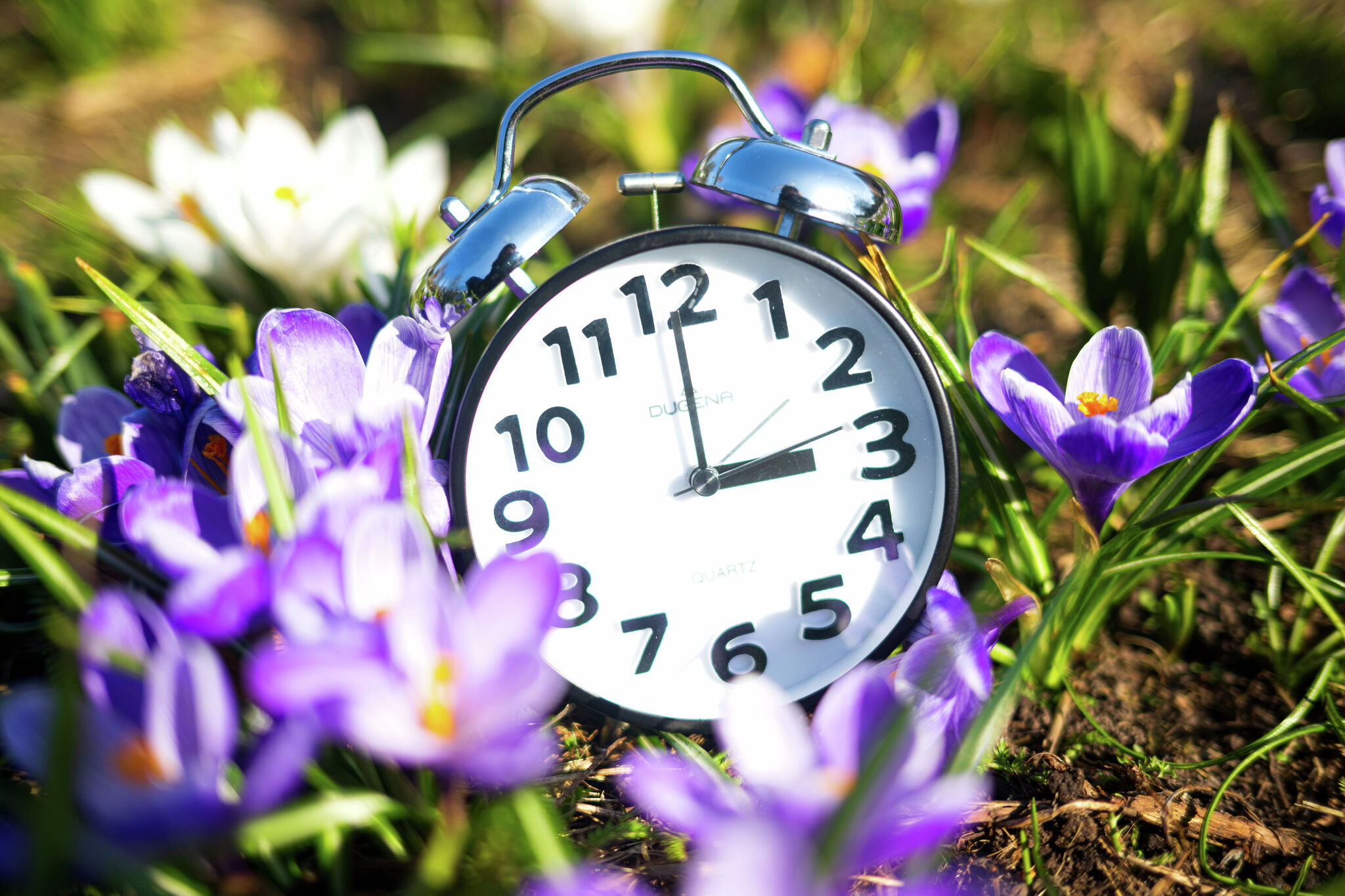
Photo by Austin American-statesman
Key Takeaways:
- The United States moves its clocks forward one hour on March 8, 2026.
- States such as Arizona and Hawaii do not observe DST.
- Multiple legislative efforts, including the Sunshine Protection Act, reflect a push for permanent DST.
- DST’s origins trace back centuries, credited in part to Benjamin Franklin and later expanded during World War I.
- Debates persist among lawmakers and citizens over whether DST should remain in place.
The Clock Change and the Hour Lost
At precisely 2 a.m. on Sunday, March 8, 2026, Americans across most of the nation will set their clocks one hour ahead. In doing so, they’ll lose an hour of sleep but gain an extra hour of evening daylight through the spring and summer months, a pattern that has defined Daylight Saving Time (DST) for decades.
Which States Opt Out
Not every corner of the United States welcomes DST. Both Arizona and Hawaii refuse to change their clocks, citing the year-round warm weather that makes extra evening daylight less desirable. Their decision underscores a deep-rooted aspect of the DST debate: geography and local climate can play significant roles in whether residents find the time change valuable.
Legislative Battles
Debate in Congress continues, with bills like the Sunshine Protection Act and Bill 1393 seeking to end the biannual time changes or make DST permanent. Despite strong opinions from various lawmakers and activists, these reforms have yet to become law. For now, Americans remain beholden to the time shift each spring and fall.
Historical Roots of DST
Though the notion of coordinating daylight hours has been credited in part to Benjamin Franklin, the modern practice of DST became more widespread during World War I, particularly in countries like Austria, Germany, and later the United States. Proposed as a way to conserve energy and make better use of daylight, DST has continued to spark discussions about whether it still serves its original purpose.
The Ongoing Debate
Critics argue that springing forward and falling back disrupts sleep patterns, leading to potential health and safety risks. Supporters, however, contend that the added evening daylight benefits recreation and commerce. Regardless of viewpoint, the shift on March 8, 2026, is set to take place—signaling another year where most Americans adapt to one less hour of sleep for a bit more sun at the end of the day.