Ukrainian President Volodymyr Zelensky has floated a possible nationwide referendum on ceding land to Russia for the sake of peace. The move comes amid external pressure from the United States and concerns over the country’s struggling energy infrastructure as winter approaches.
Subscribe
Global Conflicts
International Politics
Policy Analysis
Voting Trends
Zelensky Floats Holding Referendum On Giving Up Land For Peace

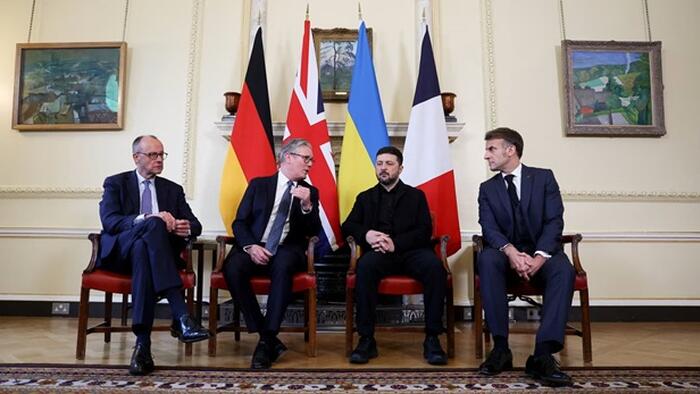
Photo by Zerohedge
Key Takeaways:
- Zelensky is contemplating a popular referendum on whether to cede territory for peace.
- Former President Trump is pressuring European leaders to urge Ukraine toward a U.S.-backed peace plan.
- Public sentiment remains split, with a poll indicating 54% of Ukrainians oppose any land concessions.
- Continuing Russian strikes compound Ukraine’s winter energy crisis and repair challenges.
- Any referendum would hinge on legitimate voting conditions, possibly requiring a ceasefire.
Zelensky’s Referendum Suggestion
Ukrainian President Volodymyr Zelensky has signaled openness to holding a referendum on the question of ceding territory to Russia in exchange for ending the ongoing conflict. “I am definitely in favor of elections,” he said, emphasizing that “The most important thing is that they are held legitimately.” This promise of adherence to democratic principles reflects a desire to let the Ukrainian people determine the fate of contested territories.
Trump’s Peace Plan Pressure
According to the reporting, the United States—led by President Trump—has been urging European leaders to push Zelensky toward a peace plan that requires substantial territorial concessions and places a cap on Ukraine’s military capabilities. Tension arose during a phone call among Trump, German, French, and British counterparts over Ukraine’s response, which the U.S. has deemed insufficient. While Ukraine has presented a counterproposal, “big gaps” remain, highlighting the complexity of negotiations.
European Dilemmas and Ongoing Negotiations
European governments find themselves caught between supporting Ukraine’s sovereignty and acceding to the U.S.-backed plan. Previous disagreements reveal that Washington and Kyiv do not yet share the same vision for what constitutes an acceptable compromise with Russia. At the heart of the standoff are discussions on land concessions, troop withdrawal from contested eastern regions, and potential security guarantees.
Public Opinion on Concessions
A recent poll by the Kyiv International Institute of Sociology found that 54% of Ukrainians opposed any measure to give up territory, with 38% open to some concessions as a possible path to ending the war. These figures underscore the difficulty of achieving unanimous support for a decision of such magnitude, especially as Ukraine continues to face daily challenges on multiple fronts.
Winter Energy Woes
Adding to the pressure is Ukraine’s faltering energy situation. Unrelenting Russian drone and missile strikes have disrupted critical infrastructure, leaving the country scrambling for parts and supplies to repair its power grid. With a harsh winter on the horizon, Zelensky’s government is racing against time to stabilize the energy network and prevent further suffering among the civilian population.
Legitimacy of Any Vote
Whether it involves presidential elections or a referendum to concede territory, Zelensky has been clear: the voting process must be safe and properly monitored. A potential ceasefire—if it could be brokered—would pave the way for a secure election, but skepticism remains regarding Russia’s willingness to pause hostilities. In turn, the question arises whether the referendum might serve as a strategic delay or an earnest attempt to gauge public will.
Nevertheless, by reasserting that only the Ukrainian people can determine the fate of their territories, Zelensky has placed the debate squarely in the hands of the nation he leads. As discussions continue under international scrutiny, any definitive outcome hinges on factors both within and beyond Ukraine’s control.