Amazon has agreed to refund $3 million to Arizona consumers who struggled to opt out of Prime membership. Attorney General Kris Mayes alleges Amazon’s cancellation process was needlessly difficult, leaving some users feeling trapped.
Subscribe
Breaking News
Industry News
Amazon agrees to $3 million refund for Arizona Prime subscribers


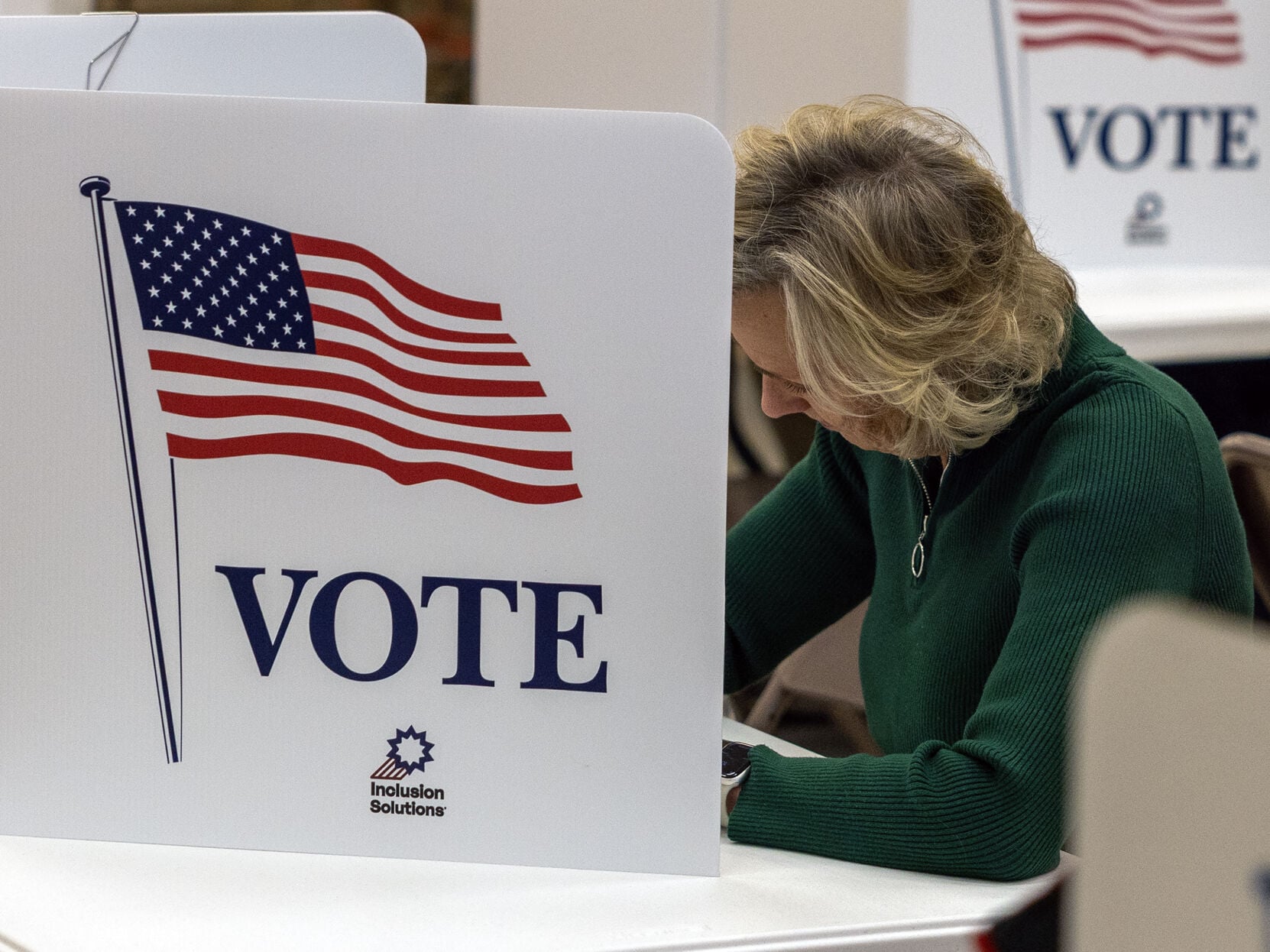
Photo by Prescott Daily Courier
Key Takeaways:
- Amazon has agreed to refund $3 million to Arizonans.
- Attorney General Kris Mayes took action to address alleged consumer fraud.
- Customers struggled to cancel their Prime memberships.
- The settlement underscores the importance of transparent subscription practices.
- Arizona’s lawsuit underscores nationwide concerns about consumer rights.
A Settlement Reached
In a move that has drawn attention from consumer advocates across the country, Amazon announced it will refund $3 million to Arizonans subscribed to its Prime service. This decision follows claims by Arizona Attorney General Kris Mayes that some consumers were “effectively trapped” into paying for the subscription due to obstacles in the membership cancellation process.
Allegations of a Tricky Cancellation Process
Attorney General Mayes’s office filed allegations suggesting that Amazon’s cancellation system misled or complicated the process for Arizona residents who wanted to opt out of Prime. The company’s approach, Mayes claimed, caused customers to unwittingly continue paying membership fees. In response, Amazon agreed to the settlement, which aims to compensate those affected.
Refund Details and Consumer Protection
The $3 million refund specifically targets customers in Arizona who faced difficulties with ending their Prime membership. Details of individual refund amounts have not been made public, but the overall sum underscores a significant victory in consumer protection. The settlement ties back to the alleged consumer fraud, reflecting a continued effort by state officials to hold large corporations accountable when subscription terms are not transparent.
A Spotlight on Transparency
The case has brought renewed attention to the importance of transparent membership terms and user-friendly cancellation processes. While Amazon remains a leading global retailer and tech giant, these developments highlight how authorities can challenge companies that may not fully clarify their policies.
Implications Moving Forward
The resolution of this dispute may set a precedent for other subscription-based businesses. As more services rely on recurring subscription models, states and consumer watchdogs are increasingly vigilant about potential traps for consumers. The Arizona settlement adds momentum to the conversation about balancing corporate growth and consumer protection, suggesting that oversight is likely to increase for companies relying on automated signups.
In the weeks and months ahead, consumers and companies alike will watch closely to see how Amazon implements the refund and modifies its membership cancellation process, possibly opening the door for broader changes to subscription services nationwide.