A recent study from Washington University in St. Louis reveals a generational split in substance-related emergency visits. Cannabis plays a major role in ER admissions among teens and young adults, while alcohol remains the primary concern for older adults.
Subscribe
Analysis and Opinions
Cannabis Involved in Most Substance-Related Emergency Visits Among Teens, Young Adults

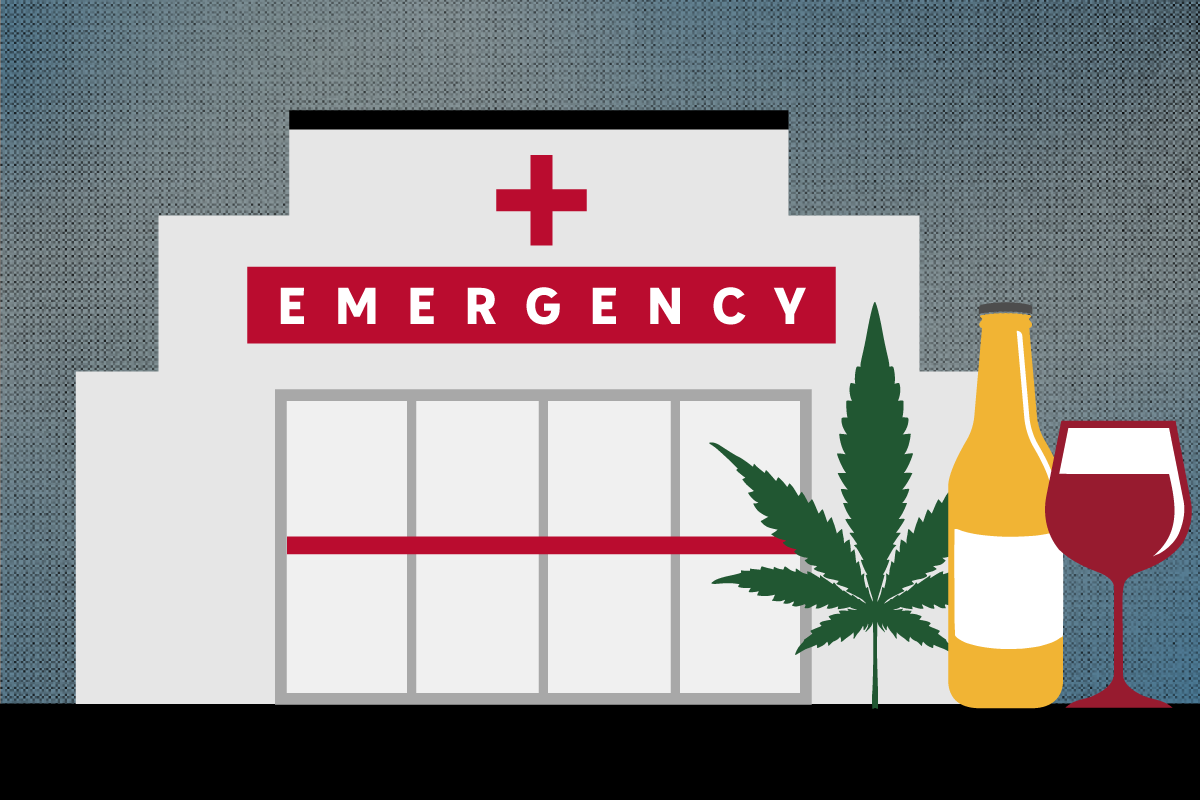
Photo by Newswise
Key Takeaways:
- Cannabis is the top substance involved in emergency visits for adolescents and young adults.
- Alcohol continues to be the leading cause of substance-related ER admissions among older adults.
- The study was conducted by researchers at Washington University in St. Louis.
- Findings highlight the need to address substance misuse differently across various age groups.
- Substance-related visits remain a significant concern for healthcare systems.
Background on the Study
Researchers at Washington University School of Medicine in St. Louis conducted a study to understand the prevailing trends in emergency department visits related to substance misuse. Their primary goal was to examine which substances led to ED visits across various age groups.
Divergent Patterns in Substance Use
Among patients seeking emergency care for substance-related concerns, the study found that cannabis was most commonly involved in visits by adolescents and young adults. In contrast, alcohol was more often associated with substance-related visits among older adults, underscoring a clear generational split in misuse patterns.
What the Researchers Discovered
While specific numerical data on the exact proportion of cases was not disclosed, the key takeaway points to a shift in the landscape of substance use. Where older populations still exhibit prevalent alcohol-related issues, younger demographics increasingly present with complications resulting from cannabis use.
Implications for Public Health
These findings spotlight the need for tailored health strategies. By identifying the main substances driving ER admissions among distinct age groups, policymakers, healthcare professionals, and community leaders can better allocate resources and develop targeted interventions to address substance misuse.
A Broader Health Discussion
The study also highlights the ongoing strain that substance misuse places on emergency healthcare settings nationwide. Understanding the differing patterns of drug and alcohol use remains crucial for prevention, education, and treatment programs, as well as for guiding public policy to mitigate the impact on medical systems.
Through such data-driven approaches, healthcare leaders and communities can be more effective in providing resources and awareness campaigns to reduce the rates of substance-related health emergencies.