Built more than two centuries ago, the Philadelphia and Lancaster Turnpike set a precedent for economic and agricultural expansion in the United States. Today, its legacy endures as a testament to the country’s early efforts in creating efficient transportation routes for farmers and commerce.
Subscribe
Historical Sites
America’s First Turnpike Helped Shape Agricultural Expansion

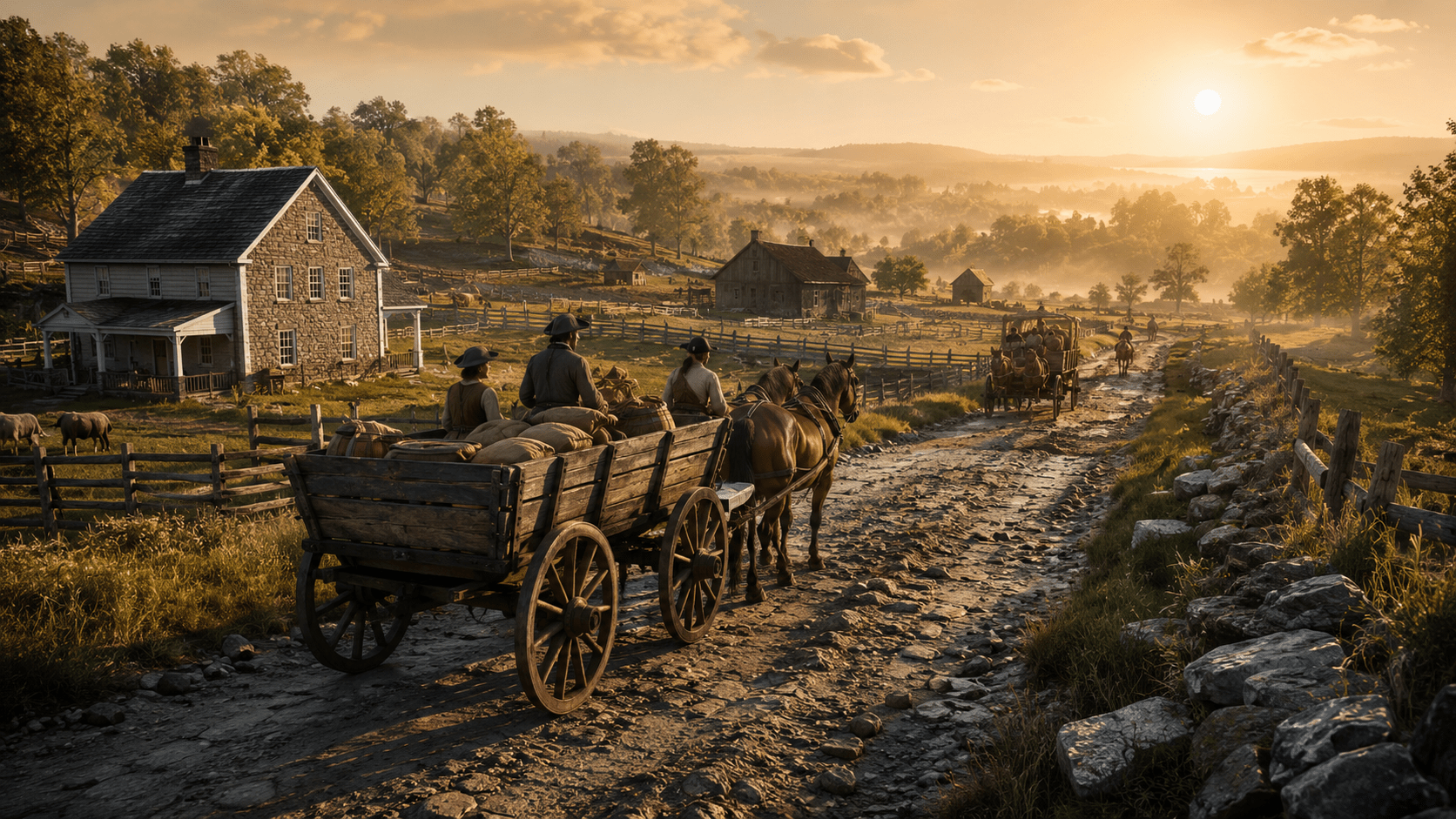
Photo by Southeast Agnet
Key Takeaways:
- The Philadelphia and Lancaster Turnpike was the nation’s first turnpike.
- Constructed over two centuries ago, it remains a notable historical milestone.
- It opened doors for farmers, widening their market reach.
- Commerce and trade prospered along this critical route.
- Mark Oppold highlights its enduring impact on American agricultural history.
The Road That Changed Farming
Built more than two centuries ago, the Philadelphia and Lancaster Turnpike is widely recognized as America’s first turnpike. This single stretch of road revolutionized how farms operated by providing a reliable path for transporting goods. The once-daunting journey for agricultural producers became smoother, faster, and more predictable, fostering a sense of optimism and opportunity.
Opening New Commercial Avenues
This newly constructed route between Philadelphia and Lancaster did more than link two cities. According to historical highlights shared by Mark Oppold, the turnpike marked a pivotal shift in commerce, fueling the growth of businesses and enabling farmers to reach more distant markets. By making travel more manageable, the turnpike ignited a wave of trade activity.
Influence on America’s Transportation System
The Philadelphia and Lancaster Turnpike’s success set the stage for future infrastructure projects. Even in an age when roads were scarce and difficult to maintain, this route proved that investment in well-built thoroughfares could transform local economies. Within decades, other regions took note, leading to a network of roads that connected communities and facilitated economic growth.
A Lasting Agricultural Legacy
Farmers were some of the biggest beneficiaries of this early road. By having reliable access to larger marketplaces, they could increase production and explore new commercial opportunities. This development not only improved the prosperity of farming families but also reshaped the landscape of American agriculture, demonstrating how infrastructure fuels progress.
Reflections from Mark Oppold
In this edition of American Agriculture History Minute, Mark Oppold underscores how the Philadelphia and Lancaster Turnpike forever changed the nation’s agricultural outlook. His commentary reminds us that the roots of America’s modern transport network trace back to these pioneering projects—efforts that continue to impact how we produce, transport, and consume goods today.
Through its pivotal role in connecting communities, advancing trade, and shaping farms’ fortunes, America’s first turnpike remains a testament to the profound influence of forward-thinking projects on the nation’s growth and prosperity.