A new, independent commission is set to redefine U.S. foreign assistance under the leadership of a Republican former governor and a Democratic former senator. Launched with support from the Rockefeller and Packard Foundations, this effort follows the closure of USAID and arrives at a time when new polling shines a light on the changing landscape of global aid.
Subscribe
International Politics
Policy Analysis
New Commission Launches to Chart Next Chapter of Foreign Assistance

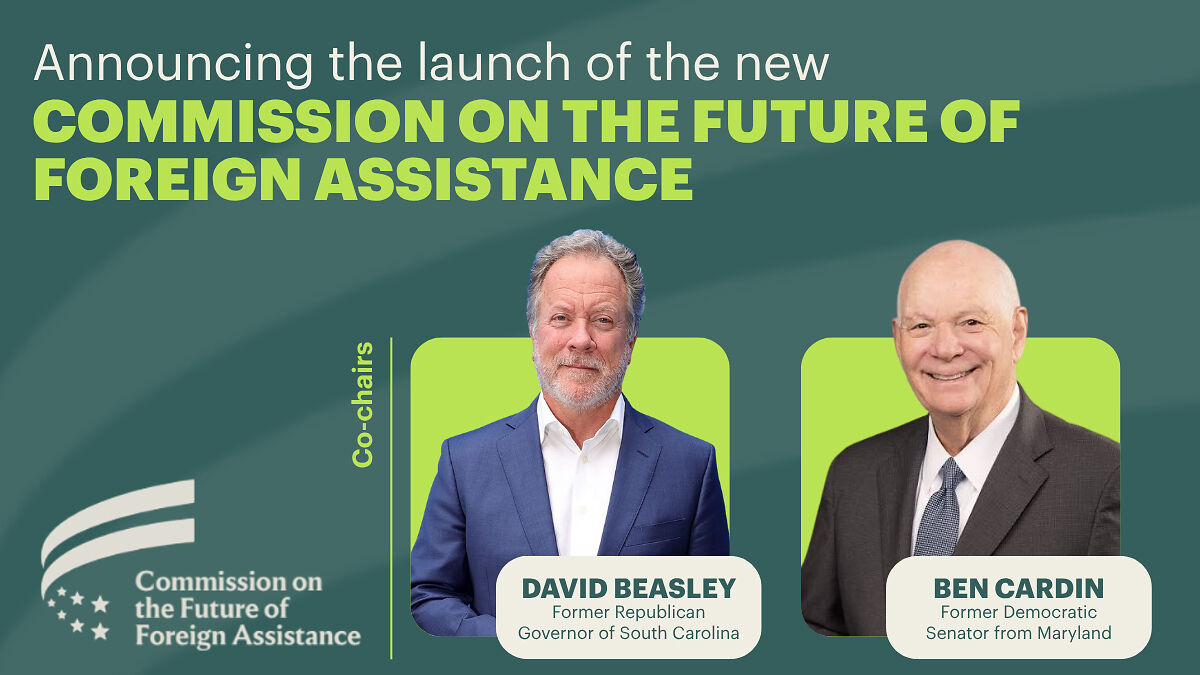
Photo by Kinston
Key Takeaways:
- Bipartisan leadership unifies the commission’s efforts
- Major philanthropic backing from the Rockefeller and Packard Foundations
- One year after USAID’s closure, new foreign assistance plans emerge
- Recent polling indicates public engagement and evolving perspectives
- The commission aims to shape the future direction of American foreign aid
New Commission for U.S. Foreign Assistance
A bipartisan commission has been unveiled to chart the next chapter of American foreign assistance. This announcement arrives one year after the closure of the U.S. Agency for International Development (USAID)—a milestone that many see as the end of an era in how the United States approached global aid.
Leading Voices from Both Sides
Co-chaired by former Gov. David Beasley (R–South Carolina) and former Sen. Ben Cardin (D–Maryland), the commission draws on experiences from both Republican and Democratic leadership. Organizers say this balanced approach is vital for developing comprehensive policies that transcend party lines.
Backed by Philanthropy
Along with other partners, the Rockefeller and Packard Foundations have joined forces to support the commission. According to the initiative’s planners, philanthropic involvement ensures sustained momentum and underscores the importance of foreign assistance for addressing global challenges.
Why Now?
Independent polling, referenced at the launch, suggests a shift in public attitudes toward foreign assistance. Although the specific survey data have not been released publicly, organizers note that the timing is critical for rethinking how American resources and expertise are deployed overseas.
Aims and Outcomes
The newly formed body intends to propose innovative ideas for enhancing the reach and effectiveness of U.S. foreign assistance. While details of the commission’s full agenda remain to be seen, its co-chairs have pledged to consult a wide range of stakeholders and present findings that can guide future policymakers.
Broader Impact
In the wake of USAID’s closure, stakeholders are watching closely to see whether the commission can spark fresh debate and create a roadmap for renewed American leadership abroad. If successful, the commission’s findings could shape how the United States delivers aid for years to come.