Throughout history, humans have sought ways to heal ailments and understand the mysteries of the human body. Early civilizations developed a rich tapestry of medical practices, some of which laid the foundations for modern medicine, while others now seem peculiar or even bizarre. Let’s delve into the surprising healing techniques of ancient cultures and discover how they shaped the medical world.
Subscribe
Ancient Civilizations
Ancient Medicine: Surprising Healing Practices from Early Civilizations

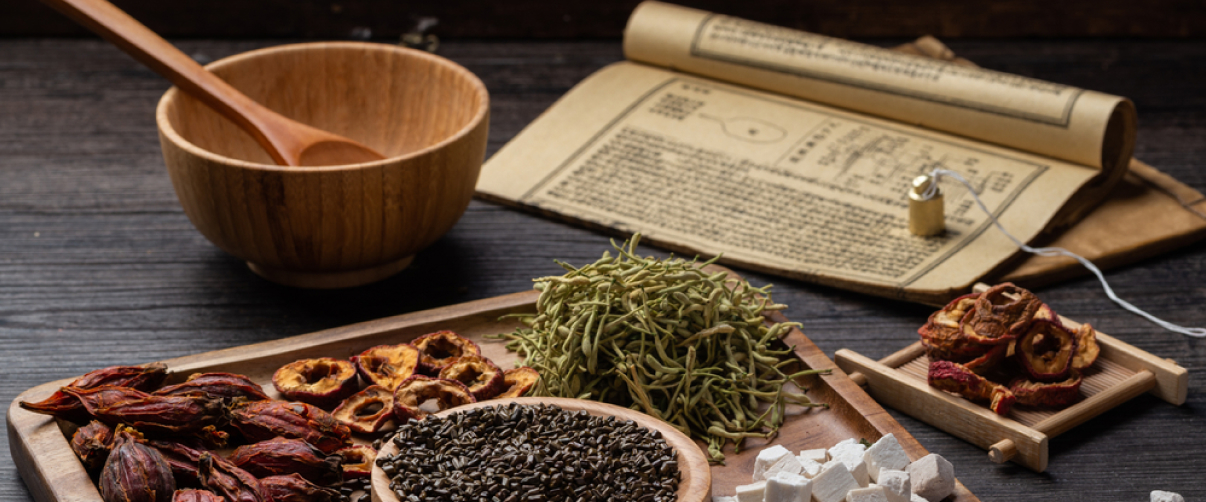
Image: @shutterstock 1931989736
The Mystical Blend of Magic and Medicine
In Ancient Egypt, medicine was a combination of practical remedies and spiritual rituals. Doctors were often priests who invoked gods and used spells alongside treatments. They believed that diseases could be caused by supernatural forces, leading to practices that intertwined the physical and spiritual realms. This approach demonstrated a holistic view of health that addressed both body and spirit.
One notable figure was Imhotep, a physician so revered that he was deified after his death. Egyptian healers utilized natural remedies, performing surgeries and prescribing treatments documented in texts like the Ebers Papyrus, which contained over 700 remedies. Their use of honey for wounds and moldy bread for infections foreshadowed the discovery of antibiotics.
The Humors and Bloodletting
The concept of balancing bodily fluids, or humors, was central in Ancient Greece and Rome. Influential physicians like Hippocrates and Galen believed that health depended on the balance of blood, phlegm, yellow bile, and black bile. To restore this balance, they often resorted to bloodletting. This practice, which involved draining blood from patients, was thought to cure a variety of ailments. Despite its risks, bloodletting persisted into the 19th century and was even offered by barbers as a common service. It reflects the early attempts to understand bodily functions without modern scientific knowledge.
Trepanation: Drilling into the Skull
Perhaps one of the most startling ancient medical practices was trepanation, the act of drilling holes into the skull. Evidence suggests that this was performed to release evil spirits or treat conditions like epilepsy and headaches. Remarkably, skulls from regions like Peru show that many patients survived the procedure, indicating a level of surgical skill. Trepanation highlights the lengths to which ancient healers would go in their quest to alleviate suffering.
Herbal Remedies and Natural Cures
Across civilizations, the use of herbs and natural substances was widespread. In Ancient China, practitioners focused on balance and the flow of qi, employing techniques like acupuncture and herbal medicine. Substances like ginseng and ephedra were commonly used and are still valued today. Similarly, Ayurvedic medicine in India emphasized personalized treatment, using a variety of plants and minerals to heal.
The Egyptians utilized an array of natural remedies, such as honey for its antibacterial properties and willow bark, which contains a precursor to aspirin. These practices provided the groundwork for modern pharmacology.
Surgery and Anatomy
While limited by the lack of anesthesia and antiseptics, ancient surgeons performed operations that were advanced for their time. The Edwin Smith Papyrus reveals that Egyptians conducted surgeries, set broken bones, and understood the importance of cleanliness. They also practiced prosthetics, as evidenced by artificial toes found on mummies. These advancements underscore their sophisticated understanding of the human body.
In Alexandria, dissection was more accepted, allowing physicians like Herophilus to study anatomy extensively. He correctly identified the brain as the center of intelligence, a significant departure from previous beliefs. This shift towards empirical observation was crucial in the evolution of medical science.
The Role of Spirituality and Rituals
Spirituality played a central role in healing practices. Many cultures believed that ailments were caused by displeased deities or malevolent spirits. For instance, Babylonian healers used magical rituals to combat diseases they attributed to demons. Treatments could involve wearing amulets, performing incantations, or even sleeping next to human skulls to ward off evil influences. These practices reflect the deep connection between faith and medicine in ancient societies.
Unconventional Treatments
Some ancient remedies were not only unconventional but also hazardous. The use of mercury, despite its toxicity, was prevalent in certain cultures as a cure-all elixir. Consuming human remains, known as corpse medicine, was believed to transfer the vitality of the deceased to the living. Such practices highlight the often dangerous lengths people went to in their pursuit of health.
Women’s Health and the “Wandering Womb”
Ancient Greek physicians believed in the concept of the “wandering womb”, a theory that the uterus could move around the body causing various ailments. To prevent this, women were encouraged to marry and bear children. Treatments included aromatic therapies intended to lure the womb back to its rightful place. This belief illustrates early misconceptions about female anatomy and health.
Legacy and Influence on Modern Medicine
Despite the mystical and sometimes misguided practices, ancient medicine laid critical foundations for modern healthcare. The emphasis on observation, documentation, and the development of ethical guidelines, such as the Hippocratic Oath, have enduring significance. The holistic approaches of ancient healers, treating the mind, body, and spirit, are seeing a resurgence in today’s integrative medicine. This integration of ancient wisdom with modern science enriches our understanding of health and treatment.
Conclusion
The healing practices of early civilizations were a complex blend of empirical knowledge, spiritual beliefs, and experimental treatments. While some methods are obsolete or even dangerous by today’s standards, they represent humanity’s relentless quest to understand the body and cure disease. Studying these ancient techniques not only provides historical insight but also offers valuable lessons that continue to influence modern medicine.