Representative Alexandria Ocasio-Cortez is drawing fresh attention to a growing rift between younger generations and Baby Boomers, alleging that older adults bear responsibility for today’s troubles. Critics warn that framing the world as “broken” can deepen the sense of hopelessness among Millennials and Gen Z.
Subscribe
Analysis and Opinions
AOC Blames Baby Boomers for Woes of Millennials and Generation Z

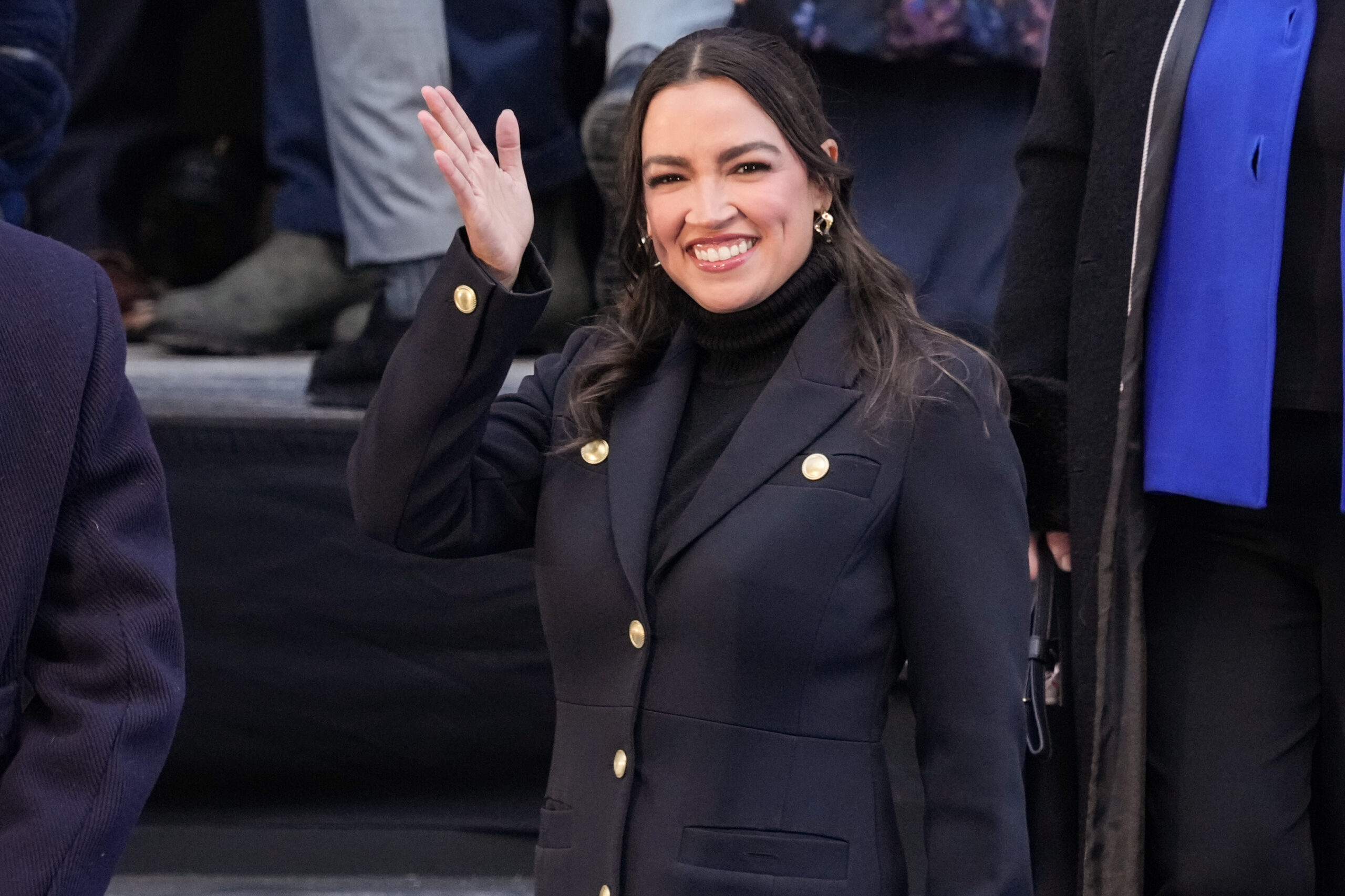
Photo by The New York Sun
Key Takeaways:
- AOC alleges Baby Boomers are behind many of Millennials’ and Gen Z’s current difficulties.
- The notion of a “broken world” risks fostering despair among younger people.
- Generational blame is portrayed as a source of heightened political tension.
- The issue falls within a wider American political discourse.
- Repeated negative messaging may undercut optimism for solutions.
The Generational Accusation
In a recent commentary, Representative Alexandria Ocasio-Cortez (AOC) directed criticism at the Baby Boomer generation, suggesting that today’s pressing social and economic problems are largely due to decisions made by older Americans. While the details of her remarks were originally reported by The New York Sun, the standout theme is the friction between generations and how blame is being assigned to Baby Boomers.
Fostering Hopelessness
One striking aspect of this discussion is the claim that “convincing young people they’ve been handed a broken world only fosters an unprecedented sense of hopelessness.” The notion resonates strongly with Millennials and Gen Z, who face growing costs of living, environmental concerns, and political volatility. Critics argue that focusing on gloom may drain the motivation needed to find positive ways forward.
Political Dimensions
Classified under politics, the debate around AOC’s statements underscores broader ideological divides in the United States. Many see the rhetoric as intensifying partisan lines, with each generation interpreting policy failures through contrasting historical experiences. Baby Boomers lived through different economic booms and social shifts, while younger citizens worry about climate change, cost of education, and job stability.
Shifts in Public Conversation
Public reactions vary. Some empathize with younger people, believing that older generations have indeed left behind a challenging legacy. Others worry that drawing generational lines oversimplifies complex issues and sidelines collective responsibility. For both sides, the conversation marks a turning point in how society weighs large-scale decisions made in prior decades.
Looking Ahead
Whether AOC’s critique catalyzes meaningful dialogue or simply deepens political and generational fractures remains to be seen. Yet the premise stands: if younger generations feel they’ve inherited an overwhelming burden, this narrative might foster discouragement rather than solutions. As politics continues to grapple with shared responsibilities, the hope is that these debates can be steered toward constructive outcomes that unite, rather than divide, the generations.