After a frightening voice-cloning scheme nearly cost their mother her savings, two Arizona brothers responded by building an AI-powered scam-protection application. This innovative tool allows users to submit messages, emails, and even photos of physical mail for immediate fraud detection and guidance.
Subscribe
Breaking News
Generative AI
Security and Privacy Features
Brothers launch AI scam-protection app after mother targeted by voice-cloning fraud

Key Takeaways:
- The app was developed after a mother became a victim of a voice-cloning scam.
- Users can submit screenshots, emails, or mail for expert advice.
- AI-driven scams are on the rise, prompting new defensive technologies.
- Arizona’s Family first covered the story.
- The news was published on July 16, 2026.
A Close Call with Voice-Cloning
An Arizona mother received a jarring phone call, one that seemed to come from a loved one in dire need. As it turned out, sophisticated scammers had harnessed voice-cloning technology—part of a growing wave of AI-driven fraud—to mimic a familiar voice and trick her into sending money.
The Brothers’ Resolution
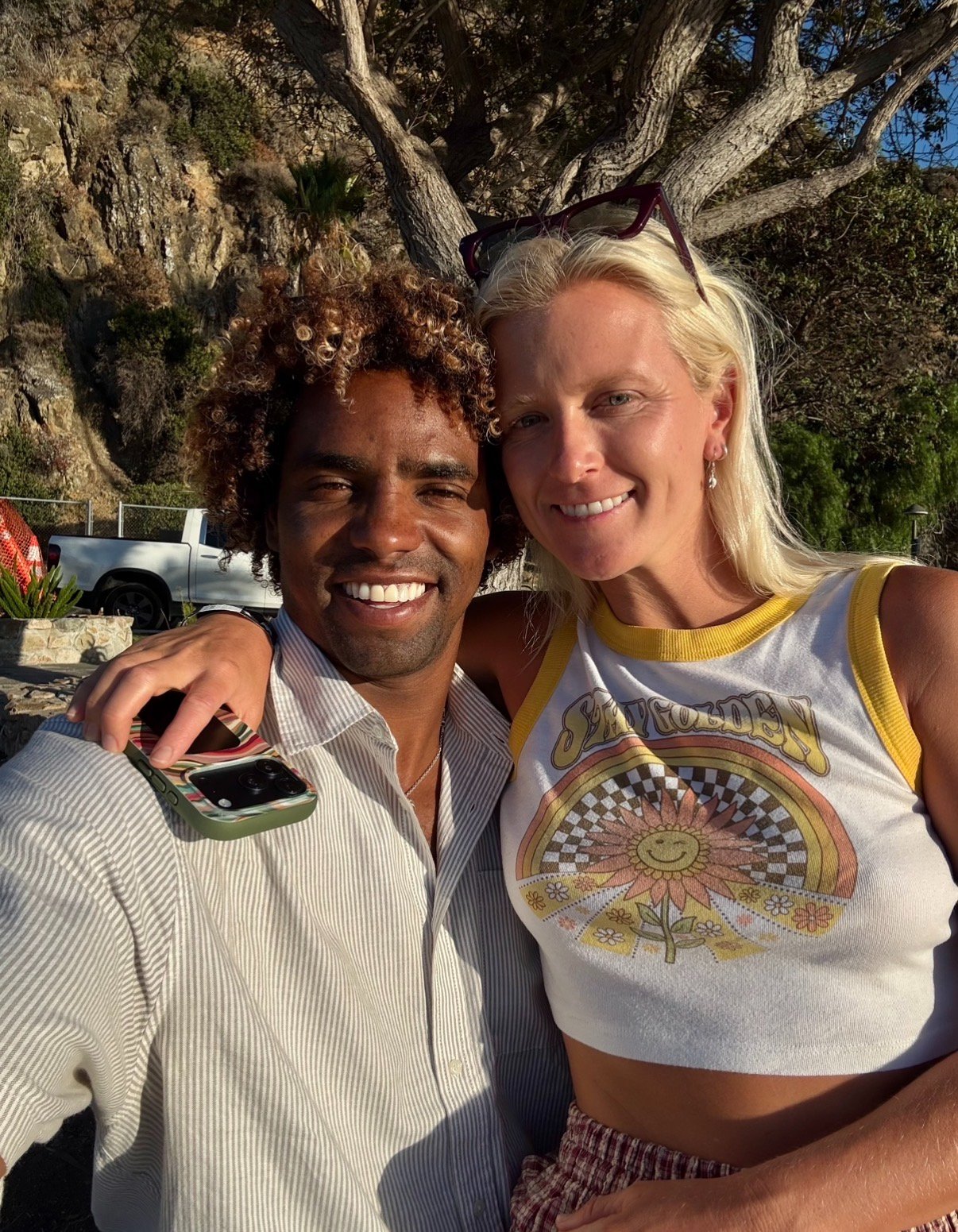
Shaken by their mother’s experience, two brothers decided to take action. They created an AI scam-protection app designed to catch such scams before they can do more harm. According to the brothers, the drive to build this tool came directly from witnessing how quickly advanced technology could be used to deceive and exploit unsuspecting individuals.
How the App Works
The newly launched application aims to simplify scam detection for everyday users. “Users can submit screenshots of text messages, forwarded emails or photos of physical mail and receive an assessment and recommended next steps,” the developers explain. By evaluating the content with AI capabilities, the tool offers speedy identification of potential scams, along with practical advice on how to respond or report suspicious activity.
Why AI Scams Matter
AI-driven scams, including voice-cloning and deepfakes, are on the rise nationwide. These tactics can exploit trust by impersonating family members, coworkers, or reputable organizations. As a result, public awareness and protective measures have become increasingly urgent, particularly for vulnerable populations such as seniors or those with limited tech knowledge.
Looking Ahead
Though the app was sparked by a personal crisis, its creators envision it as part of a larger solution in the fight against AI fraud. As more people become aware of sophisticated criminal tactics, tools like this scam-protection app could help prevent others from falling prey. By spotlighting one family’s experience, this story speaks to a broader concern: modern fraud evolves quickly, and communities need to adapt just as fast.