A ballot measure in San Francisco aims to raise taxes on companies with disproportionately high executive compensation. Labor advocates insist that large corporations should pay more into public coffers, while business leaders argue the tax could harm the city’s economy.
Subscribe
Campaign Strategies
Policy Analysis
Voting Trends
Ballot fight over hiking overpaid executive tax is getting costly, divisive

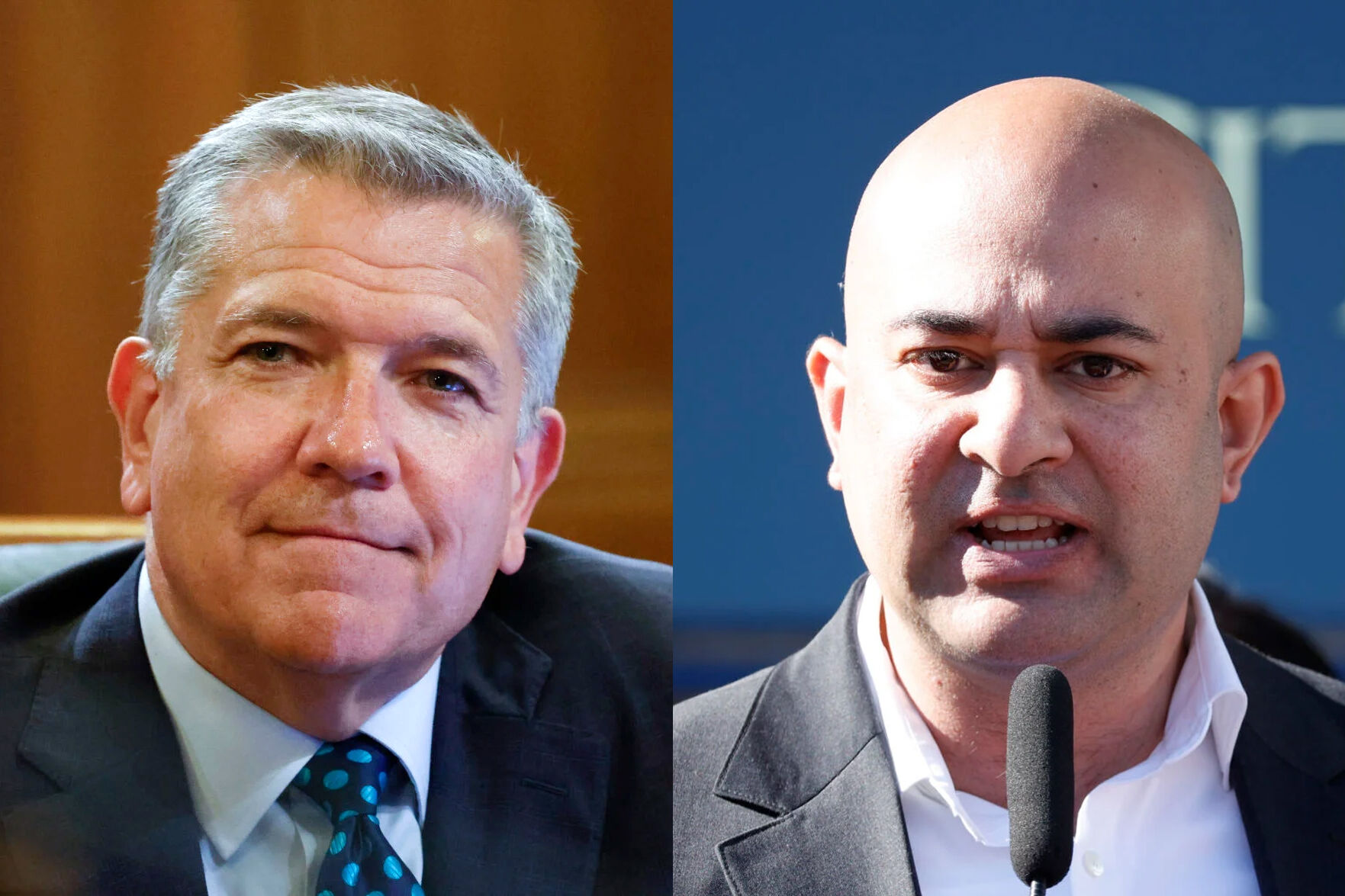
Photo by San Francisco Examiner
Key Takeaways:
- A new “overpaid executive tax” proposal targets companies with high CEO-to-worker pay ratios
- Labor advocates say big corporations must pay their “fair share”
- Business leaders fear higher taxes could weaken San Francisco’s economy
- Key players include Bilal Mahmood, Matt Dorsey, the SEIU, and the SF Chamber of Commerce
- The debate has become increasingly divisive and expensive
Background of the Tax Proposal
A growing dispute centers on a ballot measure that seeks to increase taxes on San Francisco-based companies whose executives earn substantially more than the average employee. The measure, often referred to as the “overpaid executive tax,” remains a flashpoint in local politics.
Supporters’ Arguments
Those in favor of the measure, including labor advocates such as the Service Employees International Union (SEIU), argue that high-revenue corporations should be held accountable for income disparities. “Big companies need to pay their fair share,” they contend, pointing to wealth inequality as a driving factor behind the proposed tax.
Opponents’ Concerns
On the other side, critics—led in part by the San Francisco Chamber of Commerce—believe that imposing additional taxes on already established businesses will harm The City’s economy. They worry such measures might discourage corporations from maintaining or expanding their presence in San Francisco, ultimately affecting jobs and investment across the region.
Key Players in the Debate
Several notable figures have taken a stance on this hot-button issue. Bilal Mahmood, a local entrepreneur and public policy advocate, has publicly weighed in on how the proposed law could shape business decisions. Matt Dorsey, a member of the San Francisco Board of Supervisors, has also been cited in conversations surrounding the measure. Meanwhile, both the SEIU and the San Francisco Chamber of Commerce continue to lead opposing campaigns, driving this fight forward.
Potential Impact
Both proponents and opponents of the “overpaid executive tax” agree that its outcome will have consequences for the city’s business environment and broader economic outlook. If passed, it could generate additional revenue for public programs, but skeptics remain concerned about potential declines in corporate investment.
Election Implications
As the ballot measure heads for a public vote, campaign spending has reportedly climbed, and the disagreement has become more divisive. Voters must weigh concerns about fair pay and corporate accountability against worries over potential economic fallout—making this an intensely scrutinized campaign with far-reaching implications for San Francisco’s future.