Will AI revolutionize our economy with new opportunities, or drive rampant unemployment and social unrest? According to Clive Crook, neither outcome is guaranteed—our decisions will tip the balance.
Subscribe
AI Ethics
Analysis and Opinions
Future of Work
Policy Analysis
Clive Crook: Humans can decide whether AI kills or creates jobs

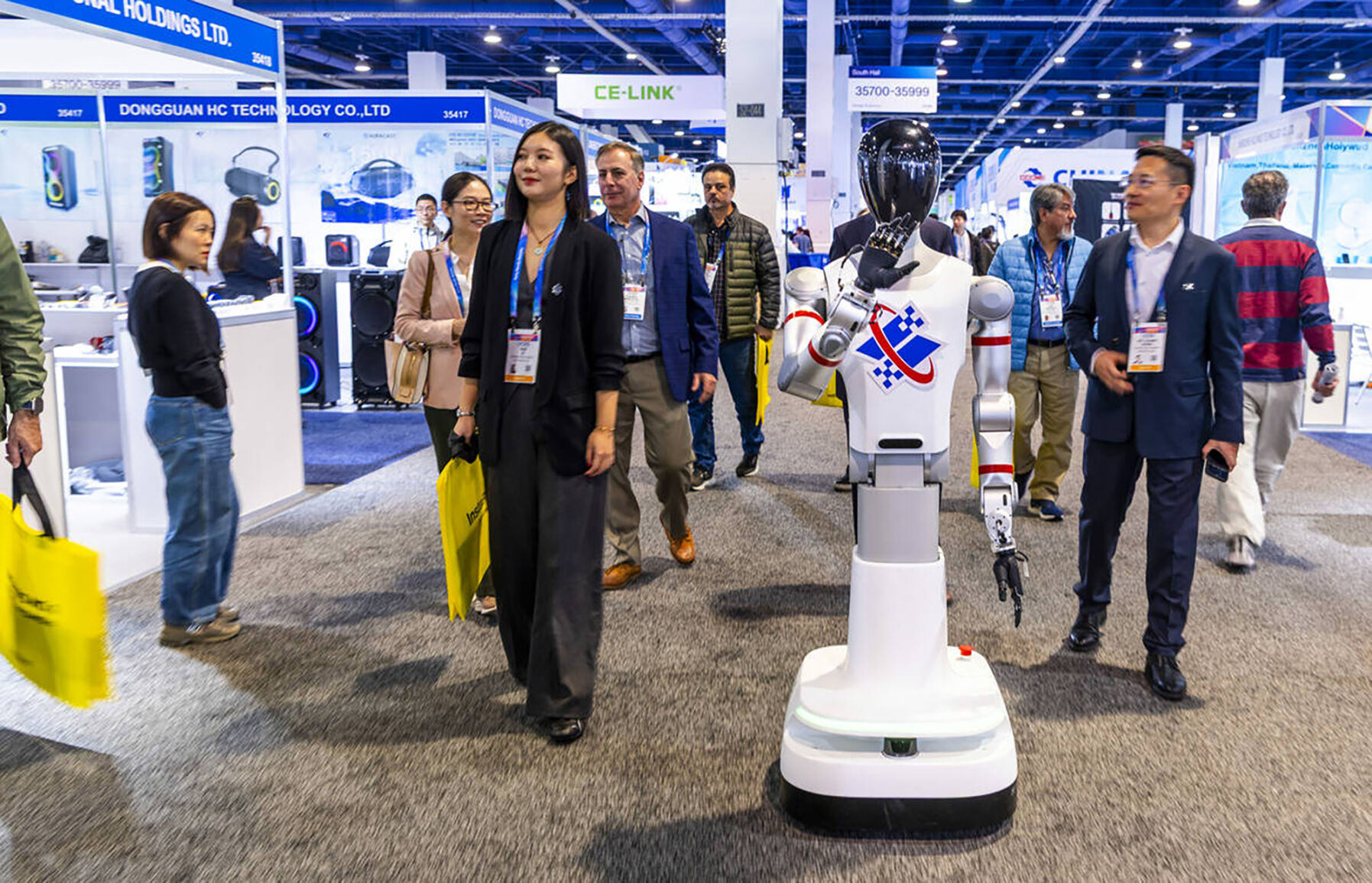
Photo by The Brunswick News
Key Takeaways:
- AI’s impact on prosperity and jobs remains unclear.
- The future course of AI is not predetermined.
- Human decisions will largely steer AI’s evolution.
- Concerns of unemployment and political instability persist.
- The article stresses a mix of hope and caution.
AI’s Divergent Paths
Does artificial intelligence herald soaring prosperity or mass unemployment, political breakdown, and Orwellian subjection? According to Clive Crook, it could lead to either, or even both at once. “Nobody, not even AI, can honestly say,” he notes, underscoring that predictions vary widely.
Human Agency in AI’s Future
Crook emphasizes that people have a critical role in deciding AI’s ultimate effect on jobs. “The point is, the outcome isn’t predetermined,” he explains. While advanced algorithms can automate tasks, policymakers, business leaders, and citizens can choose how fast and how far AI technologies are integrated into workplaces.
Balancing Optimism and Caution
The possibilities of AI are enormous: improved productivity, new industries, and societal benefits are within reach. At the same time, there is a real fear of large-scale unemployment, which could challenge social structures and political stability. Crook predicts “some of both,” underscoring that upsides and downsides are intertwined.
Uncertain Road Ahead
Ultimately, the article stresses that AI’s impact stems from choices we make: how we regulate new technologies, train the workforce, and mitigate risks against privacy and political overreach. As Crook suggests, “What happens depends on…” human decisions. AI may disrupt traditional jobs or create new industries—yet it is in our hands to shape that future.