NASA strategically divides its life science research into Space Biology and Astrobiology, fostering collaboration between life scientists and physical scientists. This approach aims to understand how biological systems acclimate, adapt, and evolve in space, advancing NASA’s life science objectives.
Subscribe
Analysis and Opinions
Biotechnology
Space Technology
Co-leveraging Scientific Advances in Space Biology and Astrobiology Towards Achieving NASA’s Life Science Objectives

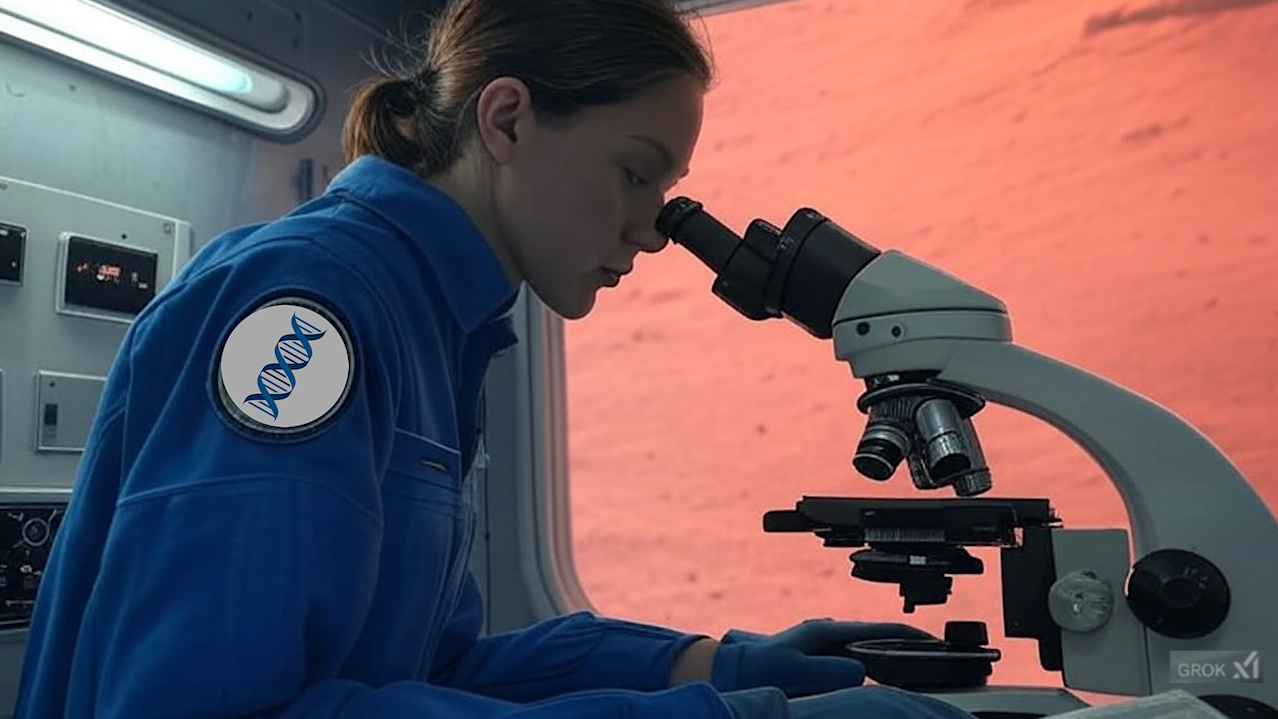
Photo by Astrobiology Web
Key Takeaways:
- Strategic Division Enhances Research: NASA separates life science research into two fields to focus on specific scientific inquiries.
- Collaboration Across Disciplines: Life scientists and experts in physical constraints work together to advance knowledge.
- Focus on Acclimation and Adaptation: Research centers on how biological systems adjust to space environments.
- Physical Constraints Influence Biology: Unique space conditions have distinct effects on biological evolution.
- Advancing NASA’s Life Science Objectives: This approach is key to achieving broader goals in understanding life in space.
Bridging Two Worlds
NASA’s pursuit of understanding life beyond Earth hinges on a strategic division of its fundamental life science research into two distinct arenas: Space Biology and Astrobiology. This deliberate separation stems from distinct lines of scientific inquiry, allowing for a more focused and effective exploration of life’s complexities in the cosmos.
The Strategic Division
“Distinct lines of scientific inquiry drive the separation of NASA’s fundamental life science research into Space Biology and Astrobiology,” states the agency’s executive summary. By dividing these disciplines, NASA places life scientists alongside experts who understand the physical constraints—like microgravity and radiation—that define how biological systems operate in space.
Collaboration for Advancement
This division isn’t about isolation; it’s about targeted collaboration. The approach “developed as a way to place life scientists alongside experts in the physical constraints that define the acclimation, adaptation, and evolution of biological systems relevant to their respective subjects.” By uniting these experts, NASA accelerates discoveries that could unveil the secrets of life in the universe.
Understanding Biological Acclimation in Space
Space Biology focuses on how terrestrial life responds to the conditions of space. Studying organisms in microgravity and high-radiation environments helps scientists understand the fundamental principles of biology and how life might sustain long-term space missions.
Physical Constraints Shaping Evolution
Astrobiology, on the other hand, extends these questions to the cosmos, exploring the origin, evolution, and distribution of life in the universe. By considering how physical constraints in varying environments affect biological systems, scientists can better predict where and how life might exist beyond Earth.
Achieving Life Science Objectives
Through this dual approach, NASA aims to achieve comprehensive life science objectives. By understanding how life adapts and evolves under different physical constraints, the agency moves closer to answering age-old questions about our place in the universe and the potential for life on other planets.
The Future of Life Science Exploration
NASA’s strategy of co-leveraging scientific advances in both Space Biology and Astrobiology signifies a commitment to interdisciplinary collaboration. As we stand on the cusp of new explorations—from returning samples from Mars to delving deeper into the origins of life—this unified approach positions NASA to make groundbreaking discoveries that could redefine our understanding of life itself.