Christopher Nolan’s adaptation of “The Odyssey” has stirred controversy by straying from what many consider core elements of the Greek epic. Filming in Iceland and Scotland, and casting a Kenyan woman, has fueled online criticism—but this commentary urges audiences to embrace fresh perspectives.
Subscribe
Analysis and Opinions
Movie Reviews
Commentary: Get off your high (Trojan) horses about ‘The Odyssey’

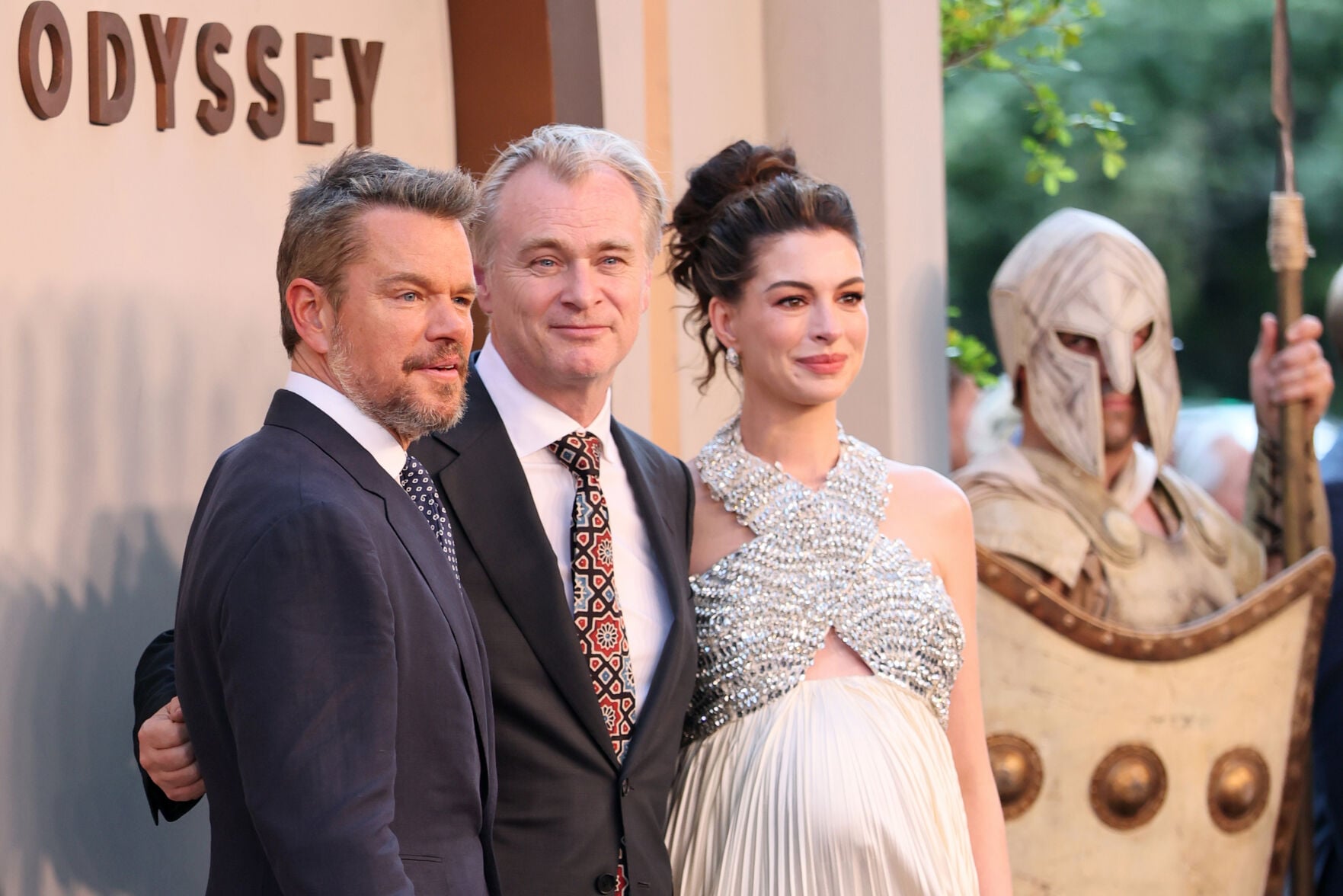
Photo by The Brunswick News
Key Takeaways:
- Christopher Nolan’s latest project revisits “The Odyssey,” prompting debate about artistic liberty.
- Filming in northern locales like Iceland and Scotland has divided fans who expected a Mediterranean setting.
- A Kenyan woman’s role in the film has sparked heated commentary on social media.
- The original commentary calls out critics’ insistence on fidelity, suggesting greater openness to reinterpretations.
- “The Odyssey” is positioned as a timeless tale that can excite modern audiences through diverse creative choices.
The Debate Over Fidelity
One of the biggest talking points within the online community centers on whether Christopher Nolan’s adaptation of Homer’s famous epic stays true to its classical roots. Skeptics insist that certain decisions—such as updated visuals and plot tweaks—violate the spirit of the ancient text. This commentary challenges that position, arguing that audiences should allow room for reinterpretations when an artist of Nolan’s caliber tackles a time-honored tale.
Northern Locations, Global Ambitions
In a break from tradition, parts of the movie were reportedly shot in locations like Iceland and Scotland. Fans expecting cinematic backdrops reminiscent of the Aegean Sea instead see windswept northern landscapes. While critics question these choices, the commentary suggests that stepping beyond iconic Greek shores might introduce fresh energy into an otherwise well-worn narrative.
Casting a Wide Net
Another contentious point revolves around the incorporation of a Kenyan woman in the cast—an unexpected move that has drawn its share of disapproval from traditionalists. The commentary highlights that there is value in diversity, even in adaptations of ancient stories, and urges viewers not to dismiss creative casting out of hand.
A Call for Openness
Ultimately, the author of this piece argues that cultural artifacts like “The Odyssey” thrive when they are revisited in new ways. Far from being harmed by bold reinterpretations, classic works can gain fresh resonance for contemporary audiences. When faced with the question of loyalty to the source, the article advises stepping off the “high (Trojan) horses” and allowing new visions to challenge our long-held assumptions.