Windsor Public Schools in Connecticut is rethinking the way its youngest students learn. By emphasizing hands-on play and cutting down screen time, the district is channeling classroom methods from earlier eras.
Subscribe
Child Development
Education Resources
Connecticut school district adopts new approach to learning: Heavy on play, less time facing screens


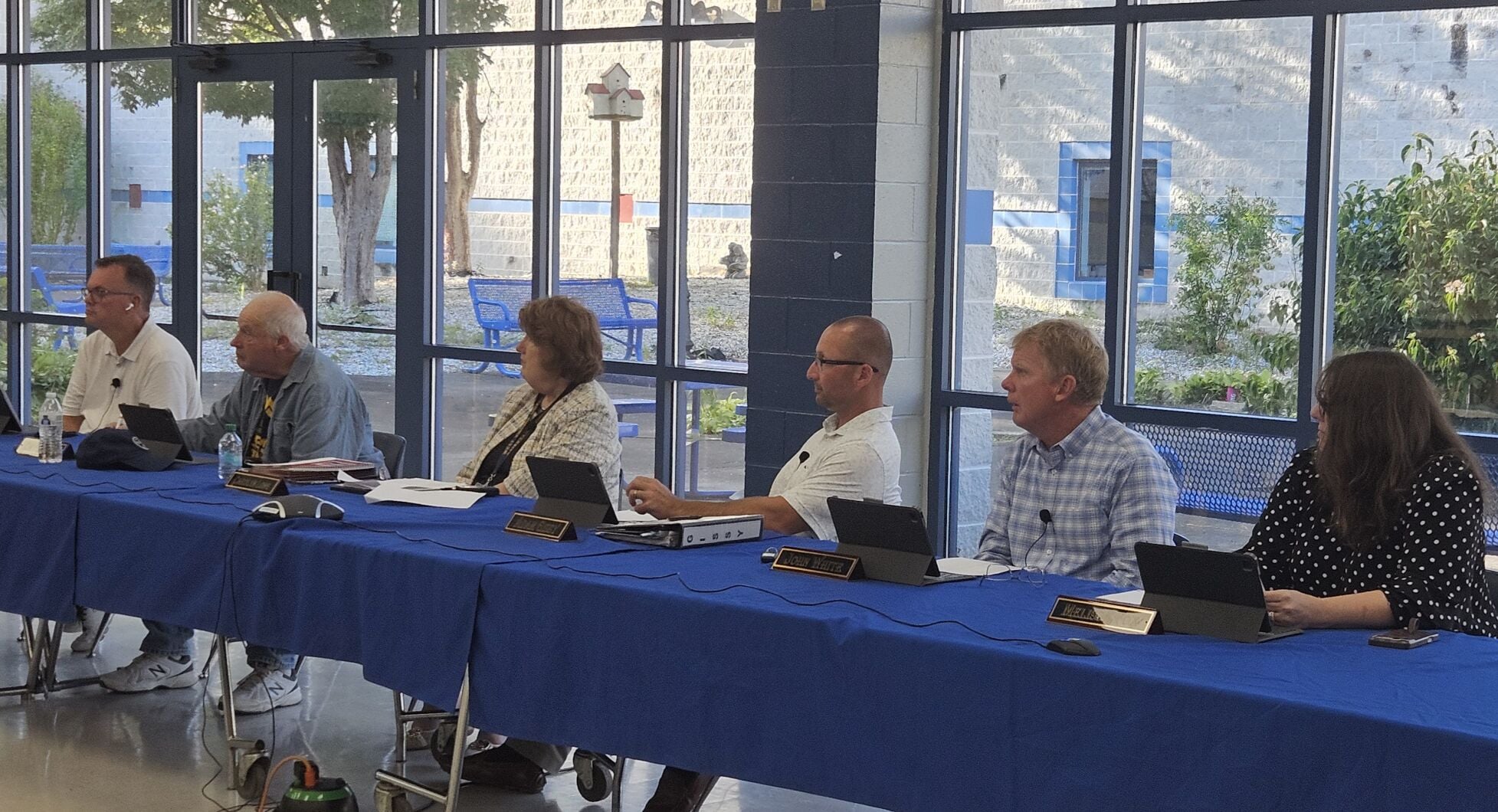
Photo by Lodinews
Key Takeaways:
- Windsor Public Schools is prioritizing play in K-2 classrooms.
- The district has reduced the time students spend on screens.
- The approach echoes traditional, hands-on teaching methods.
- The new curriculum focuses on tangible, real-world engagement.
- Connecticut’s example could inspire other districts eyeing educational reform.
Why Windsor Is Changing Course
Windsor Public Schools in Connecticut is embracing an innovative yet familiar vision for educating its youngest students. The district’s new curriculum, designed for kindergarten through second-grade classrooms, looks a lot like what many older generations today might recall from their own school days—full of hands-on activities, cooperative play, and far fewer digital devices.
Emphasizing Play and Reducing Screen Time
A key shift in this approach is reducing the time children spend in front of screens. Instead of relying heavily on tablets or computers, teachers are now guiding students through activities that let them interact directly with classmates and the world around them. The district believes that by returning to such interactive learning methods, students will benefit from social, emotional, and intellectual engagement that can be lost when too much time is spent on digital devices.
Resemblance to Past Generations
Many parents and grandparents may recognize pieces of their own childhood in this new teaching model. While modern classrooms often deploy a variety of educational technology, Windsor’s strategy underscores the value of creative play—an approach that once defined American elementary school experiences. With more block building, puzzles, shared storytelling, and group collaboration, the district wants to see children more actively involved rather than passively facing screens.
Potential Benefits
In adopting these methods, Windsor Public Schools aims to foster stronger social skills and better interpersonal communication among students. Educators hope that, by allowing children to explore and play in structured yet flexible classroom settings, students will develop deeper curiosity and a greater sense of responsibility for their own learning. While the long-term results are yet to be measured, school officials are optimistic that less screen time and more hands-on exploration will produce well-rounded learners.
Looking Ahead
Though the curriculum’s full impact remains to be seen, the move has certainly captured attention locally and nationwide. Given that the district is intentionally stepping back from some digital tools, Windsor’s approach may serve as a test case for educators assessing how best to balance technology with the timeless power of play.