Taiwan has charged nine individuals, including employees from Nvidia and Super Micro, for allegedly sending high-end AI servers to China. Prosecutors contend that this illegal export raises serious concerns over technology control and enforcement. Nvidia confirms it is cooperating with local authorities to address the matter.
Subscribe
Breaking News
Industry News
International Politics
Taiwan charges 9 over illegal AI server exports to China

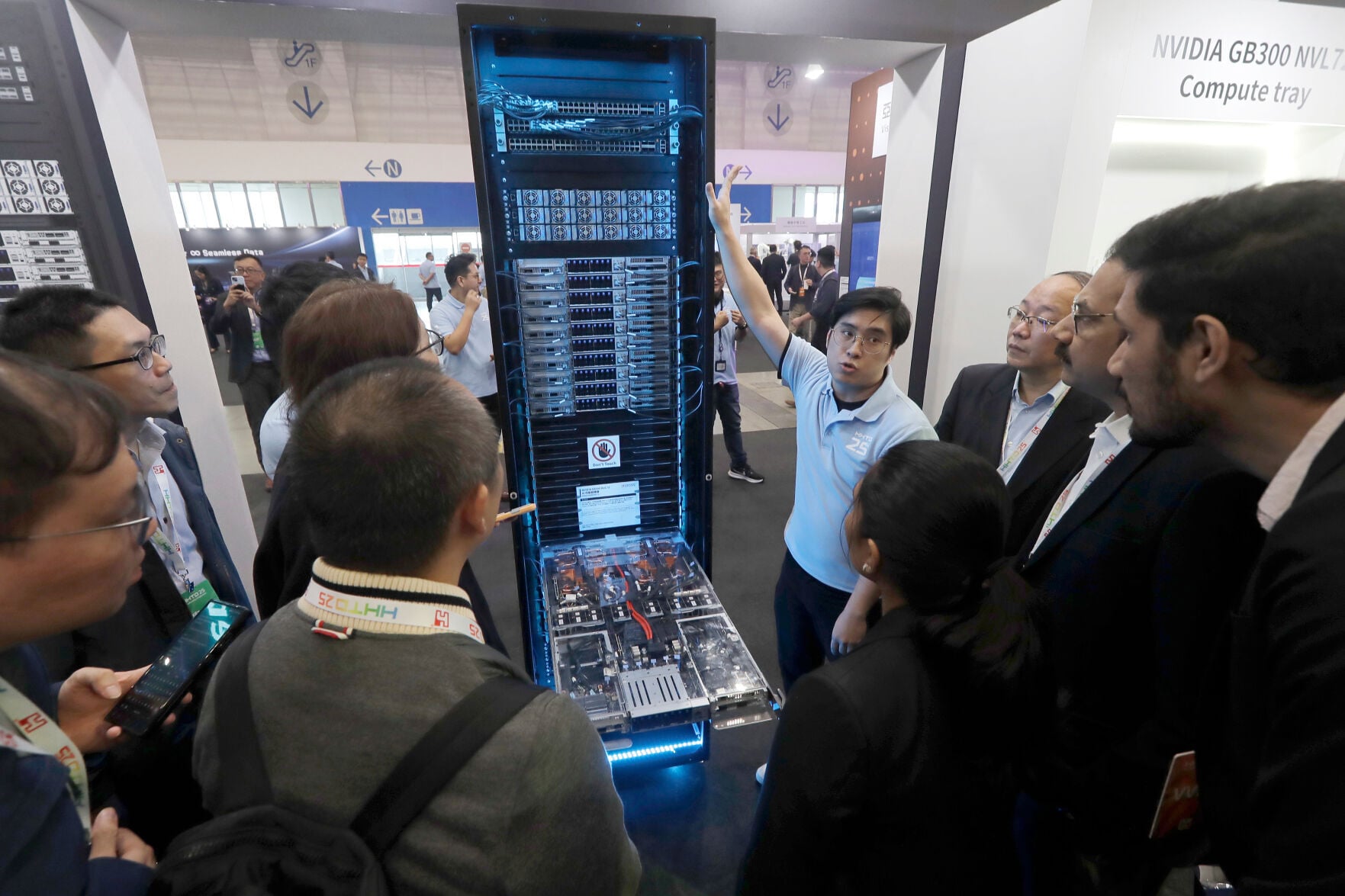
Photo by Owensboro Messenger And Inquirer
Key Takeaways:
- Nine people are charged in Taiwan for tech export violations
- One Nvidia and two Super Micro employees are among the accused
- High-end AI servers were allegedly shipped to China illegally
- Nvidia spokesperson Patrick Rutherford says the firm is cooperating
- The case underscores the seriousness of enforcing technology export rules
CHARGES FILED IN TAIWAN
Taiwanese authorities have filed charges against nine individuals accused of illegally exporting high-end AI servers to China. Investigators claim the shipments violated export controls intended to regulate advanced technology exports. Among those charged is one employee from Nvidia and two from Super Micro, a company known for producing server and storage solutions.
NVIDIA’S RESPONSE
On Monday, Nvidia spokesperson Patrick Rutherford stated that the company is cooperating with Taiwanese authorities to address the allegations. Although details on the servers themselves are limited, the company has pledged full support for the investigation.
WHY AI SERVERS MATTER
High-end AI servers are critical components in machine learning and data processing. They are subject to stringent export controls in certain regions due to their potential use in sensitive applications. Prosecutors argue that sidestepping these controls poses both economic and security risks.
IMPLICATIONS FOR TECH FIRMS
This case highlights the broader issue of technology export regulations and the risks companies face if they fail to comply. As Taiwanese prosecutors intensify scrutiny on similar transactions, global tech firms operating within Taiwan may revise internal compliance measures to avoid legal complications in the future.
| Potential Impact on Companies | Response Required |
|---|---|
| Closer Regulatory Oversight | Strengthen Compliance Protocols |
| Higher Penalties for Violations | Collaborate with Authorities |
Prosecutors have not disclosed additional details about the scale of the alleged exports. Nevertheless, this case underlines Taiwan’s resolve in upholding laws designed to regulate sensitive technology transfers.