Bangladesh is facing an unusual level of political tension as the government rejects former Prime Minister Sheikh Hasina’s request for new travel papers. Her declared December return from India, despite receiving a death sentence in absentia, has sparked debate over extradition, political reconciliation, and the country’s delicate stability.
Subscribe
International Politics
Political Movements
Could Sheikh Hasina’s Return to Bangladesh Trigger a New Political Crisis?

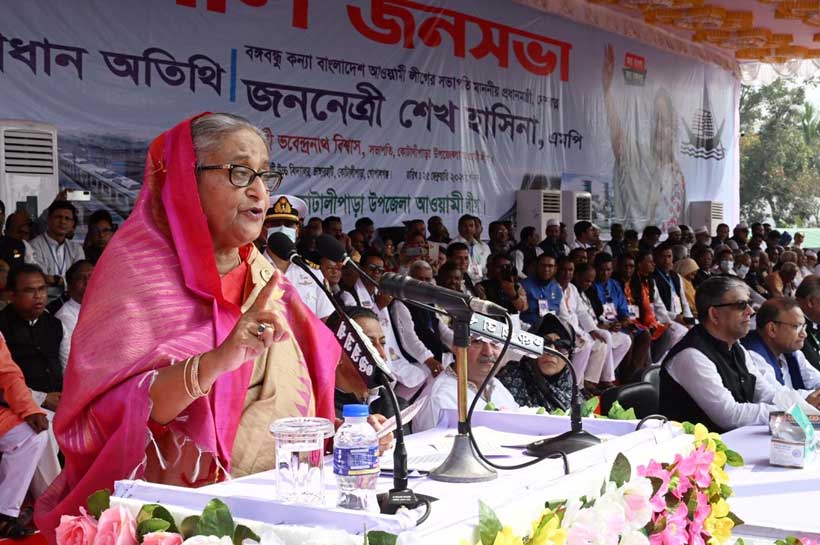
Photo by Modern Diplomacy
Key Takeaways:
- The Bangladesh government refused to issue new travel documents to former Prime Minister Sheikh Hasina.
- Hasina intends to return from India in December.
- She has been sentenced to death in absentia, raising intricate legal questions.
- Her homecoming could intensify political tensions, with possibilities of confrontation over extradition.
- Observers express concern about renewed unrest in a nation still recovering from past political tumult.
Current Political Climate
Bangladesh finds itself grappling with rising apprehension after its government denied an application for fresh travel documents to former Prime Minister Sheikh Hasina. The rejection has touched off discussions both nationally and internationally amid an environment that some describe as increasingly fraught. With uncertainty on the horizon, leaders and citizens alike wonder how the government and the opposition will reach a lasting resolution.
Sheikh Hasina’s Controversial Sentence
Sheikh Hasina was sentenced to death in absentia, a development that has overshadowed her tenure and subsequent exile. Critics question the fairness of the legal proceedings that led to this verdict, while supporters claim the charges were politically motivated. Nonetheless, Hasina’s case poses a significant challenge for Bangladesh’s judiciary and government agencies.
Plans for a December Return
Despite the sentencing, Hasina has publicly stated her intention to return from India at the end of the year. She has reportedly requested official travel documents from the current government, which in turn has withheld the necessary paperwork. With no clear resolution, her continued insistence and the government’s stance may pave the way for additional friction.
Potential Repercussions
If Sheikh Hasina does come back, numerous concerns confront the nation. First, questions of extradition and arrest loom large, since her legal standing poses complexities. Second, officials and citizens are assessing how her potential return could provoke widespread agitation or serve as a catalyst for political negotiations. The combination of these factors is feeding worries that Bangladesh’s precarious stability could be upset yet again.
Towards Reconciliation or Deeper Crisis?
The outcome may depend on whether conciliatory talks between the ruling party and opposition operations occur. Some analysts argue that meaningful political engagement could help resolve long-standing tensions. Others fear that without leadership ready to bridge the divide, the country could experience renewed unrest.
Looking Ahead
In a nation already struggling with the wounds of prior political disruptions, Hasina’s possible return to Bangladesh reveals a crucial crossroads moment. Her legal challenges, combined with the government’s reluctance to facilitate her travel, underscore the gravity of the current political environment. As December nears, observers closely watch the unfolding of events that could resonate far beyond Bangladesh’s borders.