Beeswax wraps, first created in Canada, are now increasingly used to replace both aluminum foil and plastic wrap around the world. Their rise reflects a growing consumer push for greener kitchen solutions, although there are some tasks they may not fully replace.
Subscribe
Plastic Waste
Sustainable Living Practices
Goodbye to aluminum foil: the trend coming from Canada that is already replacing it in kitchens around the world

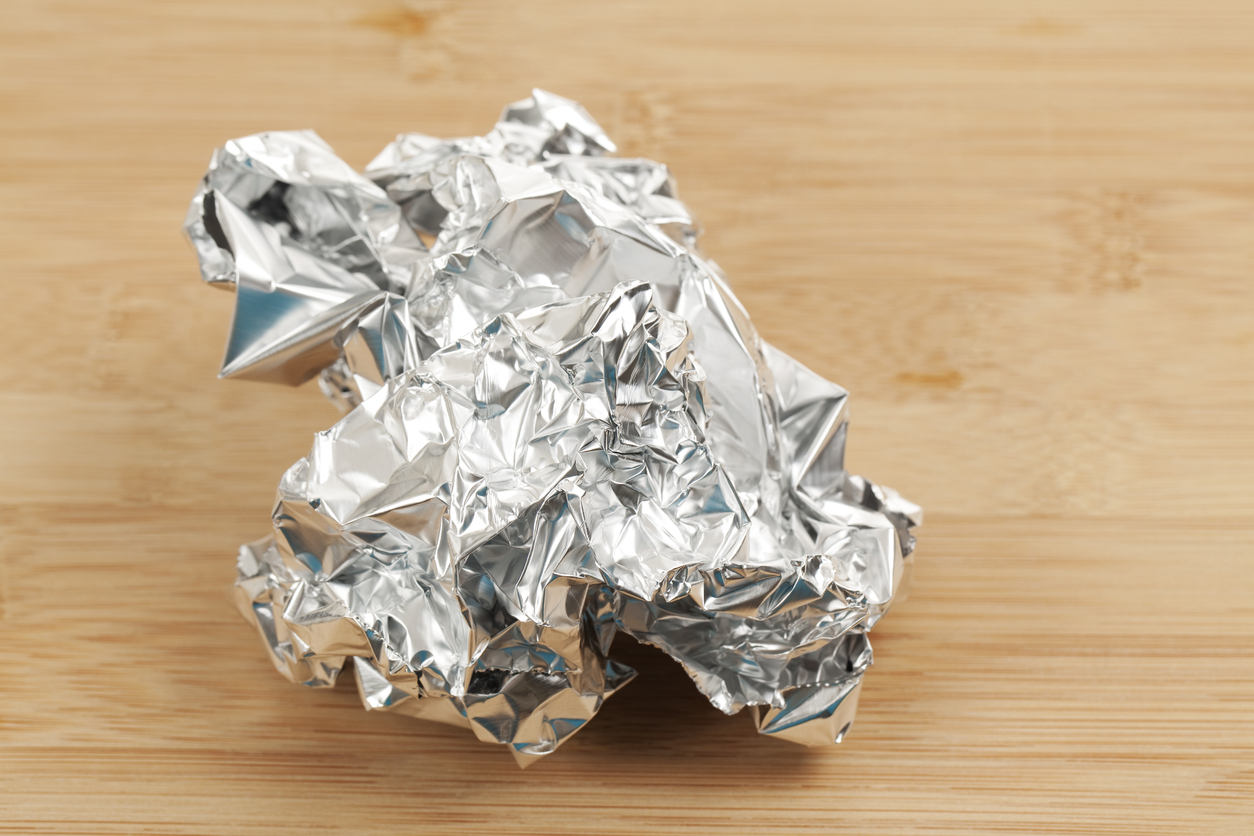
Photo by The Coolist
Key Takeaways:
- Beeswax wraps were invented in Canada as an alternative to foil and plastic wrap
- They are gaining widespread popularity for being eco-friendly
- These wraps are used for storing leftovers and various food items
- Tests show they have certain limitations for specific cooking methods
- Their global appeal underscores a shift toward more sustainable kitchen practices
Shifting to Sustainable Solutions
Around the world, there is a growing push to move away from single-use household materials like aluminum foil and plastic wrap. In an age increasingly concerned with environmental impact, these products are falling out of favor in many kitchens. Recent innovations offer hope for those seeking to cut down on single-use waste and adopt greener alternatives.
The Canadian Innovation
A beeswax wrap, invented in Canada, has quickly gained attention as a plausible replacement for both aluminum foil and plastic wrap. According to reports, it was originally developed as a way to keep leftover food fresh without generating the waste associated with disposable materials. Early adopters in Canada found it remarkably effective, and the trend soon caught on worldwide.
Why Beeswax Wraps?
Part of the wraps’ popularity can be attributed to their environmentally friendly composition. Derived from beeswax, these wraps are flexible, reusable, and adhere well to containers or directly to surfaces of food. They can be used multiple times, reducing the constant need for new foil or plastic wrap. As more people become aware of the environmental toll of single-use plastics, the appeal of a durable, natural option continues to grow.
Understanding Limitations
Although tests have shown the wraps to be a good solution for many situations, they do have certain constraints. For instance, they should not be exposed to high heat, as the beeswax can melt. Similarly, while they are handy for leftovers and covering bowls, especially for cold and room-temperature items, they may not be suitable for every kitchen need or situation.
Worldwide Impact
Despite these limitations, Canadian beeswax wraps are experiencing tremendous success in kitchens across the globe. Their rise is part of a broader consumer shift toward sustainable living, reflecting the desire to lower plastic pollution. Many see this simple solution as a tangible way to make everyday life more environmentally responsible without sacrificing convenience.
Beeswax wraps may not fully replace aluminum foil or plastic wrap in every circumstance, but for countless households, they have become an eco-friendly and practical way to store food. As sustainability gains momentum, this Canadian invention showcases a promising change in the way we think about everyday kitchen materials.