The Trump administration’s latest move excludes habitat destruction from the definition of “harm” under the Endangered Species Act. Critics worry that by removing such protections, wildlife could be left vulnerable to irreparable damage in the places they depend on for survival.
Subscribe
Environmental Laws
Policy Analysis
Wildlife Protection
Curran: Trump redefinition defangs Endangered Species Act

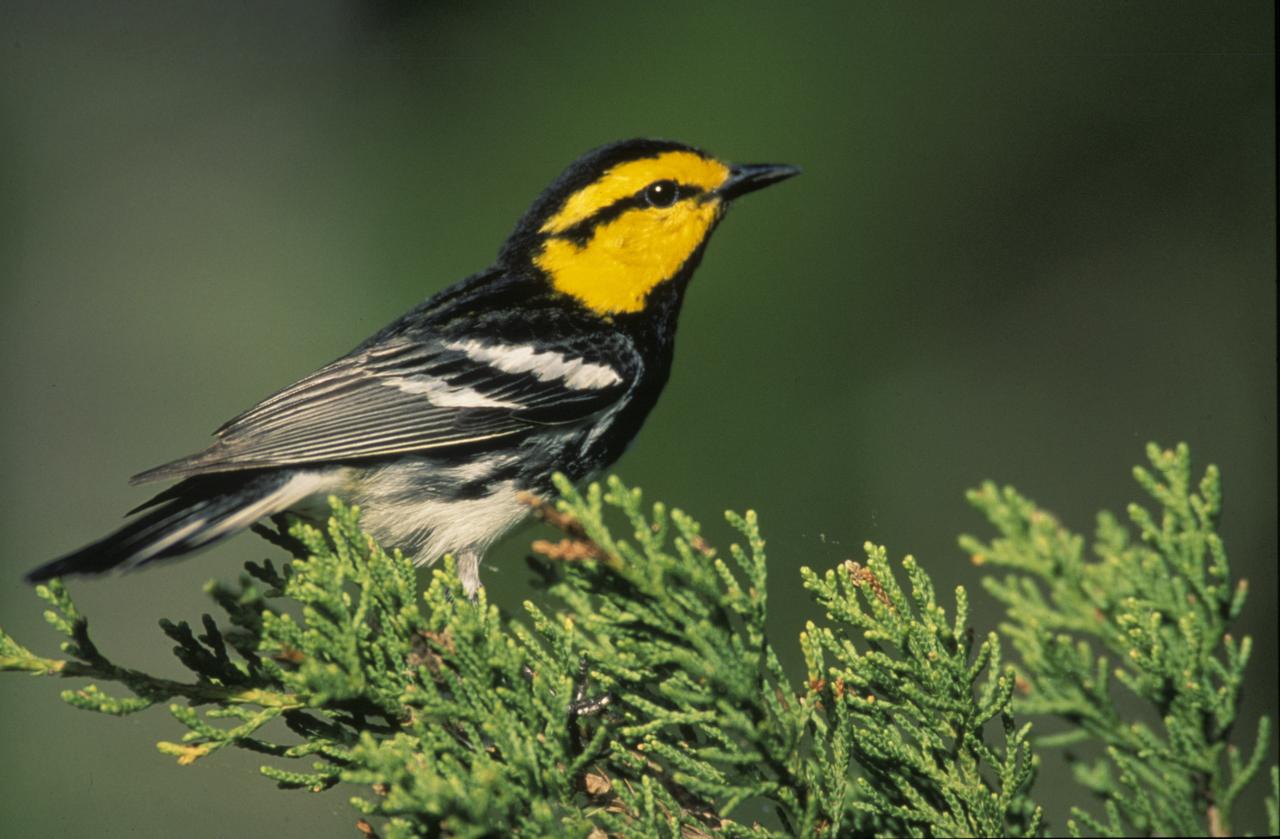
Photo by Dallas News
Key Takeaways:
- The Trump administration redefined the concept of “harm” under the Endangered Species Act.
- Habitat destruction is no longer classified as “harm.”
- Critics question whether destroying an animal’s home can be considered harmless.
- Federal agencies play a key role in implementing these new guidelines.
- The shift has sparked debate over the ESA’s strength and future.
The Policy Shift: Removing Habitat from “Harm”
The Endangered Species Act (ESA) has long been a cornerstone of wildlife preservation. Under new guidance from the Trump administration, however, habitat destruction has been removed from the definition of “harm.” This redefinition significantly narrows the scope of what can be considered a threat to endangered plants and animals.
The Rhetorical Question
In discussing the policy shift, the article asks: “If someone razed your home, would that ‘harm’ you?” This question underscores the argument that destroying habitat can be just as detrimental to a species’ survival as direct harm to its members. By raising this scenario, critics prompt readers to ponder whether the difference between a demolished home and an injured occupant is merely semantic.
Concerns and Criticisms
Many environmental advocates argue that without a safe and intact habitat, endangered animals and plants cannot thrive or, in some cases, even survive. Critics of the redefinition question the logic of labeling the deliberate elimination of a species’ natural environment as anything but harmful. Additionally, they highlight that certain species rely exclusively on increasingly scarce habitats, leaving them more vulnerable to extinction if their territory is compromised.
Larger Implications
Agencies tasked with implementing this policy, including the Fish and Wildlife Service and the Department of Interior, now face a different standard when protecting threatened populations. By restricting the legal definition of “harm,” the scope of the ESA’s power is effectively reduced, prompting concerns about how future developments, such as construction projects or land alterations, might proceed. As critics maintain, what appears to be a fine-tuning of language could leave endangered species without the same level of protection they once enjoyed, raising the question of whether species at risk might be left defenseless in the face of habitat destruction.