A new database has revealed over 150 Air State Facilities in New York whose inspection reports highlight outdated permits and limited oversight. Dozens of these facilities are still operating under old approvals with no set expiration date, raising concerns about environmental accountability.
Subscribe
Breaking News
Environmental Laws
Policy Analysis
Database: Search New York facility air permits, inspections and more

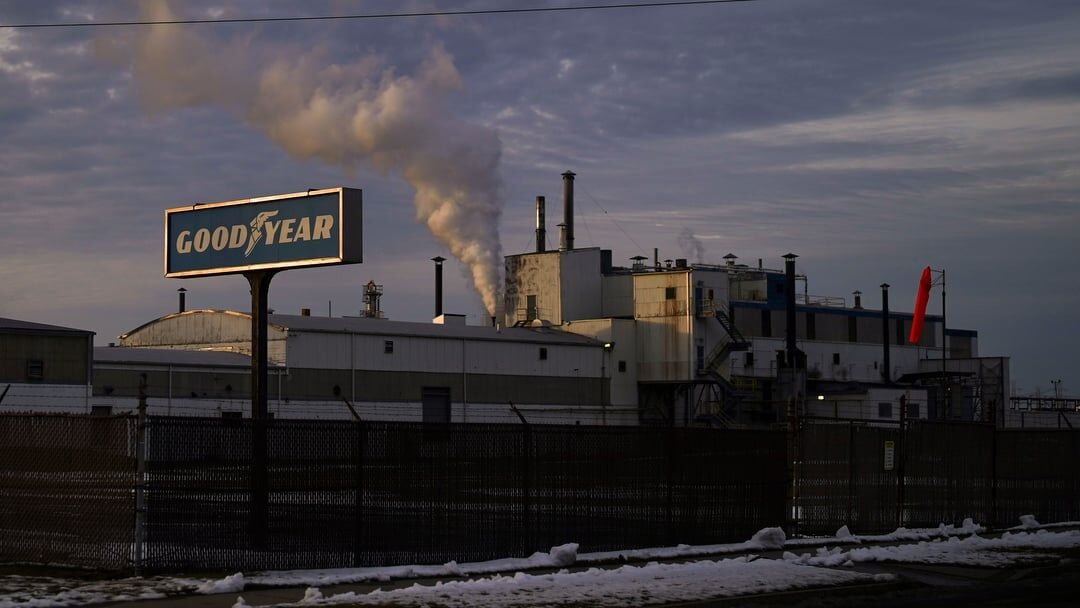
Photo by Buffalonews
Key Takeaways:
- Over 150 Air State Facilities in New York were examined in recent inspection reports.
- Dozens of these facilities operate under older permits that lack expiration dates.
- Environmental oversight and public health concerns are central to the findings.
- The data-driven investigation underscores regulatory gaps.
- The compiled database sheds light on potential policy implications for both business and environmental leadership.
Spotlight on New York’s Air Facility Permits
New York’s system for granting and renewing facility air permits is drawing fresh scrutiny, thanks to newly released inspection and stack test reports. The data, received by The News, covers more than 150 Air State Facilities across the state. What has captured the public’s attention is the revelation that dozens of these facilities are functioning under older permits that have no official expiration date.
Inspections and Stack Tests
Examining the entire inventory of these facilities has offered valuable insights into the state’s regulatory framework. According to reports, the inspected facilities vary in size and function, yet all must meet air quality standards meant to protect the environment and nearby communities. The stack tests, which measure pollutants emitted into the atmosphere, help experts determine how effectively a facility is controlling potential contaminants.
Older Permits and Their Implications
While some facilities in New York have updated permits, many still operate with dated documentation. By not having an expiration date, some permits remain effectively open-ended, allowing facilities to continue under requirements granted years ago. Critics worry that this arrangement might not account for evolving environmental guidelines or reflect changes in technology that could reduce emissions further.
Environmental Policy Concerns
These findings highlight a broader conversation on how environmental regulations are enforced. In some cases, the public may be unaware of how many factories, plants, or other industrial sites near their homes are running with permits that do not expire. This discovery raises questions about whether regulatory bodies have adequate structures in place to ensure compliance with the latest environmental standards.
“Dozens of facilities are operating under older permits with no expiration date,” state the reports, illustrating a gap between policy intentions and real-world enforcement.
Looking Ahead
The newly compiled database, while focusing on New York, points to larger issues of oversight and transparency in environmental policy. Public access to inspection reports can help community members stay informed and potentially safeguard their own health and well-being. Moving forward, these revelations may serve as a catalyst for increased scrutiny of long-standing permits, spurring discussions on policy reforms and underscoring the importance of having updated guidelines that truly reflect current environmental priorities.