Democrats, fresh from sweeping midterm wins, are taking aim at President Trump’s signature tariffs. They hope that reversing these measures—central to Trump’s first-term economic agenda—will help reduce living costs for Americans nationwide.
Subscribe
Campaign Strategies
Policy Analysis
Trade Agreements
Voting Trends
Democrats won Congress. Can they actually stop Trump’s tariffs?

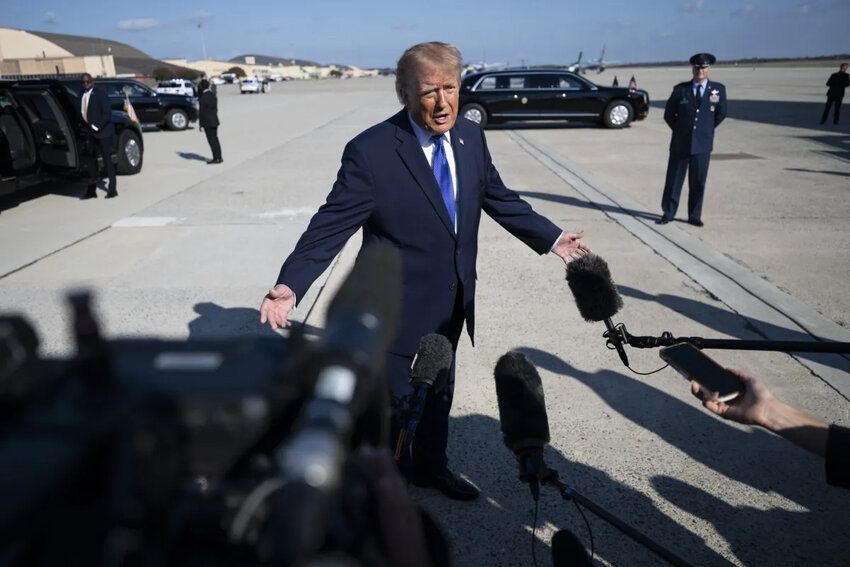
Photo by The Hill
Key Takeaways:
- Democrats are emboldened by their strong performance in the latest midterms.
- President Trump’s tariffs, enacted during his first term, have been a focal point of Democratic criticism.
- Lowering everyday expenses is a core motivator for rolling back the tariffs.
- Tariffs were a frequent target of Democratic candidates during the campaign.
- The new Congress may act quickly to address tariff policy changes.
Democrats Find Momentum in Midterm Success
Democrats, now in control of both chambers of Congress, see their recent election victories as a mandate to fulfill campaign promises. Chief among these promises is the pledge to lower the cost of living, and many lawmakers believe that reversing President Donald Trump’s tariff policies could provide the economic relief voters seek.
The Roots of Trump’s Tariffs
Early in his first term, President Trump targeted various imports with tariffs in an attempt to bolster domestic industries. These tariffs soon became a cornerstone of his broader economic agenda and featured prominently in national debate. Critics argue that these measures raise prices, hurting both consumers and businesses relying on international supply chains.
Impact on Cost of Living
At the heart of the Democrats’ argument is the belief that tariffs lead to higher consumer prices. With living costs on the rise, they see an opportunity to deliver on their campaign promise by reducing tariffs they say only burden average families. For many lawmakers, repealing certain duties on imports equals direct relief for constituents.
Frequent Campaign Target
During the midterm elections, Democratic candidates consistently referenced tariffs in their campaigns, deeming them a strain on the economy. This helped mobilize voters who felt the effects of increased costs in various industries, from retail goods to agriculture.
Looking Ahead in the 120th Congress
With the 120th Congress underway, Democrats vow to scrutinize the tariffs and potentially roll back or revise those they view as particularly burdensome. Although the outcome of this process remains uncertain, the party’s leadership is unified in its commitment to tackling tariff policies they believe have negatively affected household budgets.
As the new Congress takes shape, questions linger over what might replace Trump’s approach to international trade. For Democrats, the first step is challenging existing tariffs; the longer journey may be reshaping the nation’s broader trade relationships and ensuring that American families feel lasting relief.