U.S. Sen. Mitch McConnell’s absence from the Senate has sparked calls for Kentucky Gov. Andy Beshear to intervene—a challenge that is more complex than many anticipate. Despite public outcry, the legal and political frameworks make decisive action far from a simple task.
Subscribe
Analysis and Opinions
Breaking News
Policy Analysis
Despite calls for Beshear to ‘do something’ about Mitch McConnell, the answer isn’t so simple

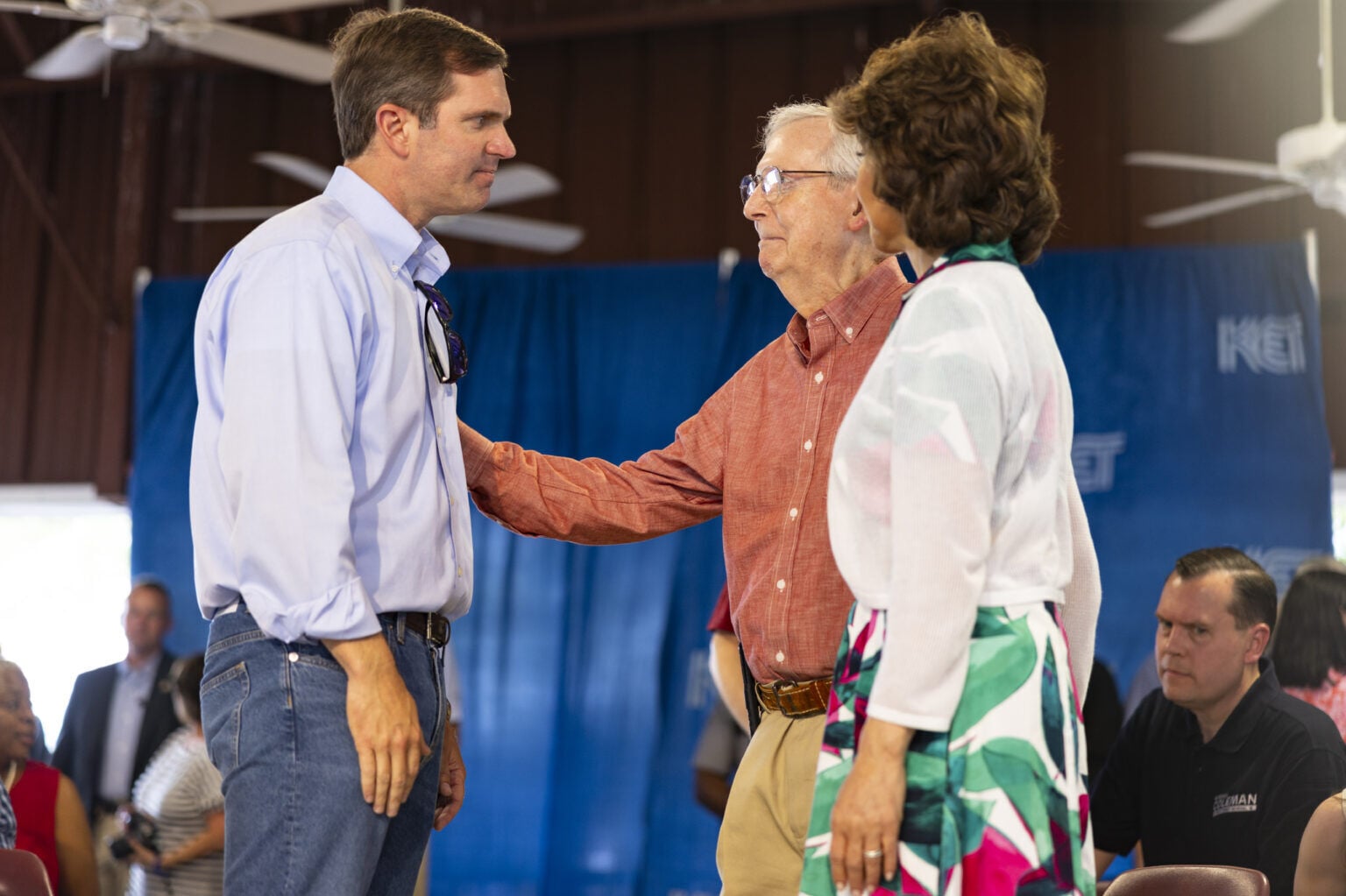
Photo by Kentucky New Era
Key Takeaways:
- Many Kentucky constituents are urging Gov. Andy Beshear to address Sen. Mitch McConnell’s absence.
- Mitch McConnell’s missing presence in the Senate has generated concern across Kentucky.
- The process for responding to a senator’s absence involves intricate legal steps.
- The issue reflects a broader national discussion on political accountability.
- Local coverage underscores the significance of McConnell’s role in state and federal politics.
The Public Calls for Action
A growing number of Kentucky residents have voiced frustration over Senator Mitch McConnell’s ongoing absence from the Senate. While many are pressing Governor Andy Beshear to “do something,” the precise definition of “something” remains unclear.
Beshear’s Options and Constraints
Governor Andy Beshear, a Democrat, faces a legally complex situation. There is no straightforward procedure that grants a governor the authority to remove or replace a sitting senator simply due to an extended absence. Consequently, Beshear can do little aside from publicly acknowledging the situation and waiting for McConnell’s status to clarify.
McConnell’s Political Significance
McConnell, a longstanding figure in U.S. politics, is of particular importance to his home state of Kentucky. His roles have ranged from Senate leadership positions to championing federal initiatives that directly impact the state. His absence not only highlights potential shifts in Senate votes, but also sparks broader conversations on representation and accountability.
Wider Political Implications
This development has attracted attention from both major parties, as well as political observers nationwide. Orchestrating a response—or lack thereof—carries political risks. The debate underscores how federal legislators’ health or attendance can have ripple effects far beyond their state lines.
Looking Ahead
For now, McConnell’s absenteeism remains under scrutiny, with many awaiting changes that could provide clarity. Though frustration lingers among some citizens who believe that the governor should intervene, the constitutional and procedural barriers remain significant. Whether the senator’s absence will prompt legislative or electoral changes is yet to be seen, but Kentucky remains at the center of a larger discussion about the responsibilities and limits of governance.