While Washington’s call to disarm Hezbollah is a valid step toward securing Lebanon’s future, a single-focus approach falls short of what the country truly needs. Meaningful reconstruction depends on a broader strategy that safeguards funds from potentially harmful influences.
Subscribe
International Politics
Middle East
Policy Analysis
Political Movements
Disarm Hezbollah, but don’t let it cash in on Lebanon’s reconstruction

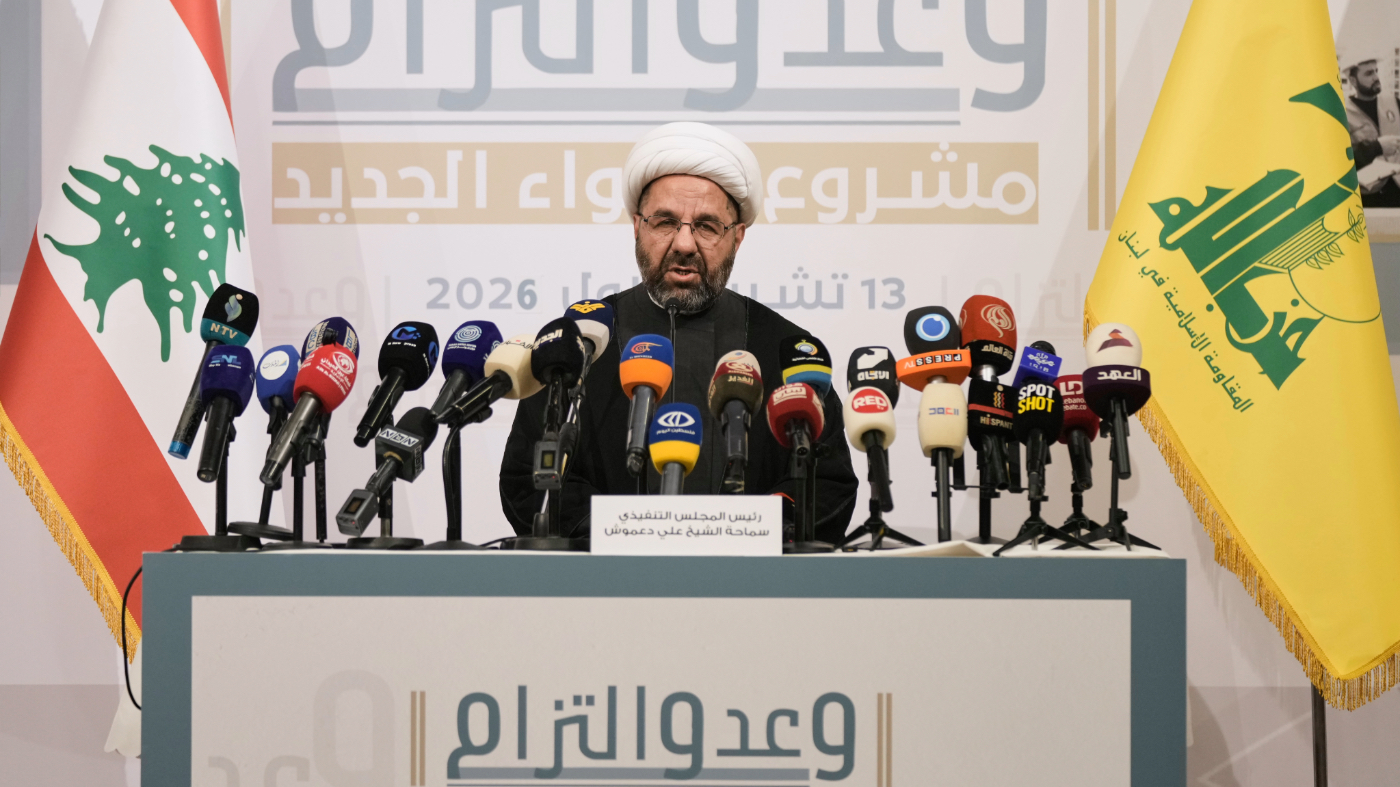
Photo by The Hill
Key Takeaways:
- Washington views Hezbollah’s disarmament as a prerequisite for reconstruction.
- The piece argues that restricting conditions to disarmament alone is insufficient.
- Hezbollah’s influence raises concerns about potential exploitation of rebuilding funds.
- International institutions like the IMF and World Bank have roles to play.
- The article stresses a holistic approach to Lebanon’s political and economic reforms.
The Stakes for Lebanon
Lebanon faces mounting pressures to rebuild its economy and infrastructure, with hopes pinned on foreign assistance. U.S. officials have indicated that future aid for the country’s reconstruction may hinge on Hezbollah laying down its weapons. This represents a broader effort to diminish the influence of armed groups as Lebanon attempts to regain stability and revitalize its institutions.
Hezbollah’s Influence
Hezbollah, recognized both as a political party and a militant organization, holds significant sway within Lebanon’s parliament and broader society. Its network, which includes groups like Jihad al-Binaa, has been linked to construction and social services, sparking concerns that it could benefit from reconstruction funds. As one observer notes, “While Washington is right to make disarmament a prerequisite, it is wrong to make it the only one.” This underscores the fear that even if Hezbollah is compelled to disarm, it could still leverage reconstruction spending for its own gain.
Beyond Weapons
Focusing solely on disarmament may overlook Lebanon’s deeper challenges. Economic instability, the need for transparent governance, and the presence of multiple alliances—such as the Hezbollah-Amal bloc—make it critical to address broader issues. Without consistent oversight and accountability mechanisms, there is a risk that foreign aid or potential support from the International Monetary Fund (IMF) and the World Bank could flow into unaccountable channels, undermining the very purpose of reconstruction.
Navigating a Path Forward
While disarmament is an essential linchpin of any future stability, the rebuilding process must include additional checks on how funds are allocated and spent, ensuring they benefit the wider population rather than any single faction. Greater international oversight, combined with domestic reforms and strong institutions, can help safeguard critical resources. Forging a path to recovery will require a comprehensive approach that addresses both the weapons on the ground and the governance structures that manage Lebanon’s reconstruction.