Christopher Columbus is credited with one of North America’s earliest manatee sightings, recorded in 1492 near the Dominican Republic. This account raises the possibility that these “sea cows,” found in Florida and the Caribbean, may have fed the age-old mermaid legends.
Subscribe
Wildlife Protection
ECOVIEWS: Were the original mermaids manatees?

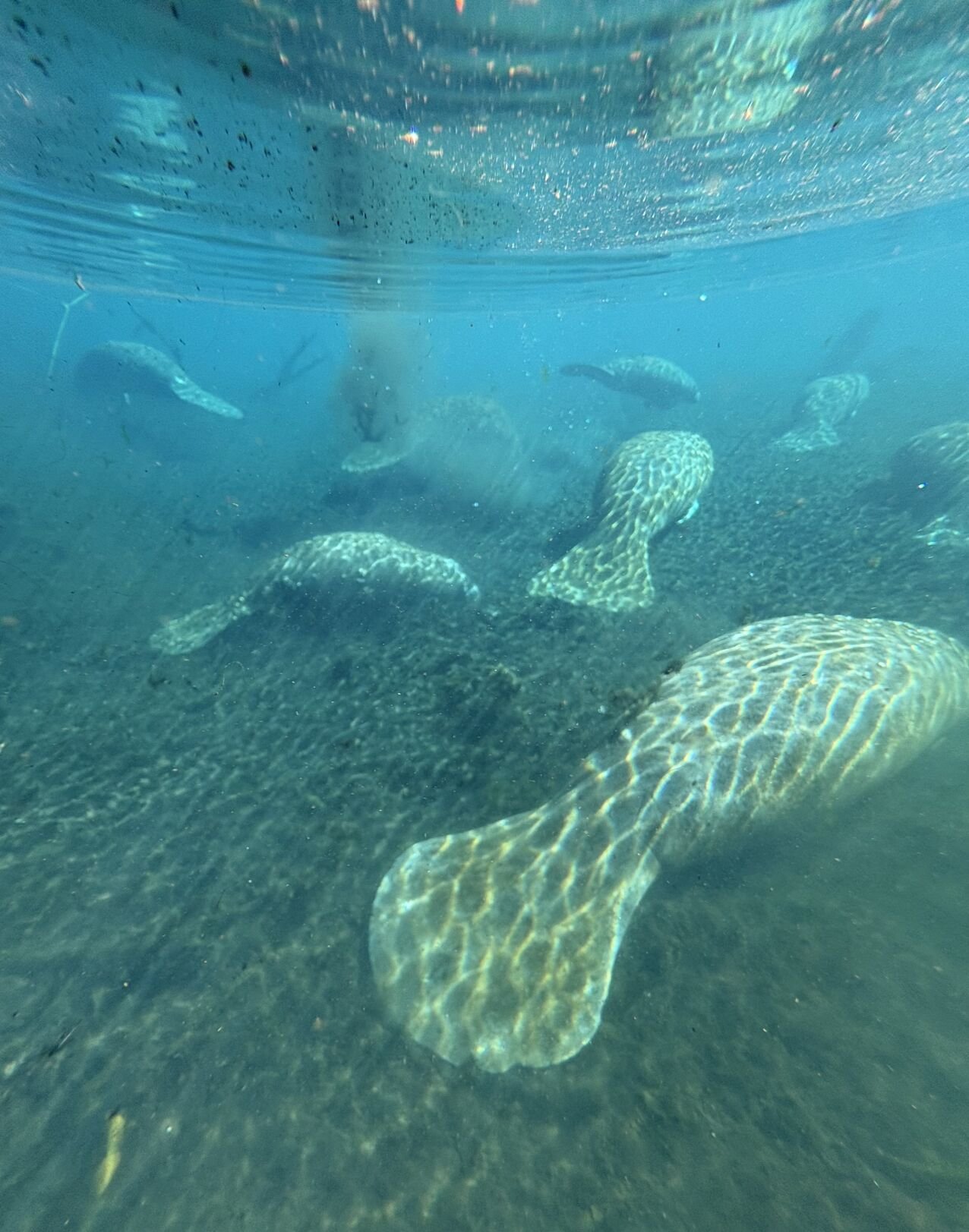
Photo by Postandcourier
Key Takeaways:
- Manatees in North America were recorded by Columbus in 1492
- West Indian manatees are also known as Florida manatees
- These creatures thrive in peninsular Florida and throughout the Caribbean
- They may have been mistaken for mermaids by early explorers
- The story’s publication date underscores ongoing fascination with this historical query
Columbus’s First Manatee Account
Christopher Columbus gets credit for the first written record of manatees in North America when he spotted several near the Dominican Republic in 1492. His journals briefly mention “mermaids,” fueling speculation about how the legendary sea maidens might be linked to these gentle marine mammals.
Florida’s Gentle Giants
West Indian manatees—often called Florida manatees—inhabit peninsular Florida’s warm waters. They are known for their large, slow-moving grace, captivating locals and tourists with their docile temperament and importance to the region’s marine ecosystem.
Caribbean Waters and the Mermaid Myth
Christopher Columbus’s 1492 observation was not the only time sailors reported sea creatures resembling humans. Many historians suggest that manatees, appearing at the water’s surface, could have inspired seafaring tales and the concept of mermaids. Today, these animals are found throughout the Caribbean, reinforcing the folklore connection.
A Conversation on History & Folklore
The allure of mermaid stories has persisted across centuries, woven into maritime culture. By examining Columbus’s firsthand notes and pairing them with modern understanding of manatee behavior, historians and biologists alike revisit these legends to consider whether the “original mermaids” were simply the West Indian manatee. Above all, this centuries-old question highlights how human myths and natural history can overlap in surprising ways.