A newly enacted South Dakota law requiring language translation services in certain public proceedings made its unexpected debut during a heated hearing over uranium drilling in the Black Hills. Even though it has not yet reached its official start date, the law received a trial run under tense circumstances.
Subscribe
Policy Analysis
Tense Hearing On Uranium Drilling Tests New SD Language-Translation Law Before Its Effective Date

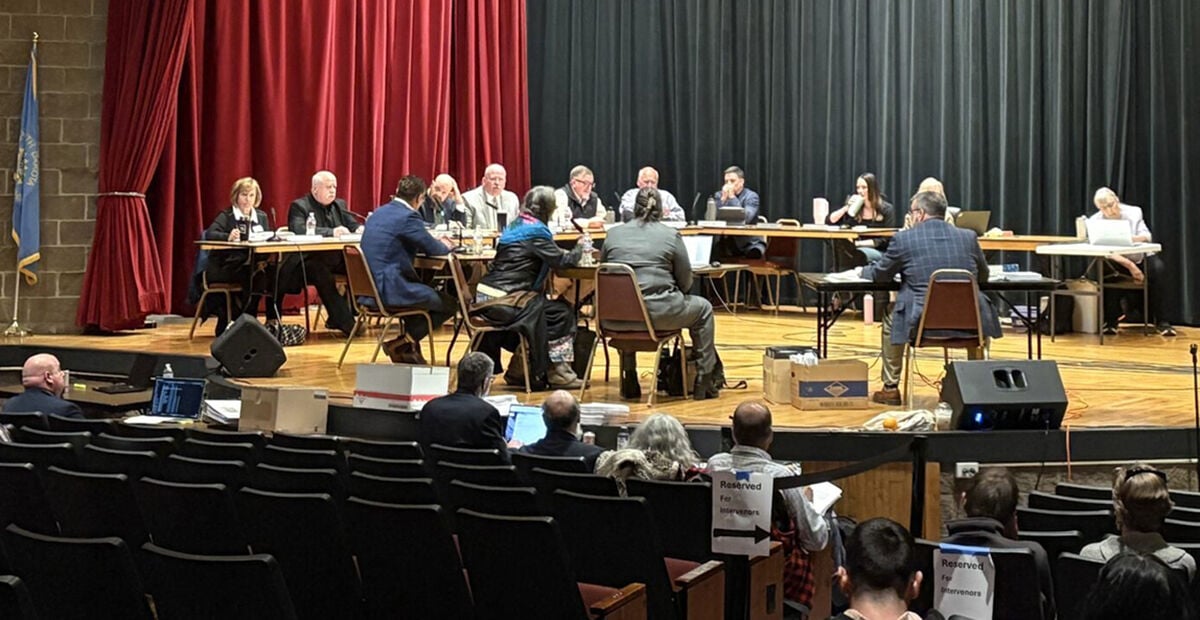
Photo by Yankton Net
Key Takeaways:
- South Dakota is rolling out a new mandate for translation services in certain public hearings.
- This law was tested prematurely during a contentious uranium drilling permit hearing.
- The hearing took place in the Black Hills, raising local environmental concerns.
- Though not yet in effect, the law proved integral in ensuring broader public understanding.
- The story was originally reported by Yankton Net.
The New Law Takes Shape
South Dakota has passed legislation that demands language translation services be offered during certain government proceedings. Although the law has yet to take effect officially, its primary goal is to improve public engagement by ensuring that language barriers do not hinder participation.
Uranium Drilling in the Black Hills
The first major challenge for this policy arose during a permit application to drill for uranium in the Black Hills. The project has stirred considerable debate, with many residents worried about potential environmental hazards. As a result, this hearing attracted attention from community members and various stakeholders interested in the region’s future.
A Tense Hearing
According to the initial report, the hearing was described as “contentious” and “tense,” showcasing the depth of public concern. The legislative requirement for translation services—though not yet in effect—was activated in an attempt to accommodate a diverse group of participants. This early implementation offered a glimpse into how the law might function once it is officially in place, providing multilingual support for attendees who could otherwise be left out of critical discussions.
Looking Ahead
The unplanned early use of this legislation demonstrates how urgent circumstances can prompt institutions to adapt sooner than expected. It also hints at the broader impact language services may have when the law officially begins—potentially reshaping public engagement across South Dakota. As more legal and environmental debates arise, ensuring that all voices are heard may become a central focus of government and community efforts.