As the midterm election season gains momentum, many Congressional candidates are reusing a familiar strategy—offering tax cuts to win votes. Yet, this editorial contends that such promises often fail to address the looming issue of the nation’s growing debt.
Subscribe
Analysis and Opinions
Campaign Strategies
Policy Analysis
Editorial: A deficit of answers about debt

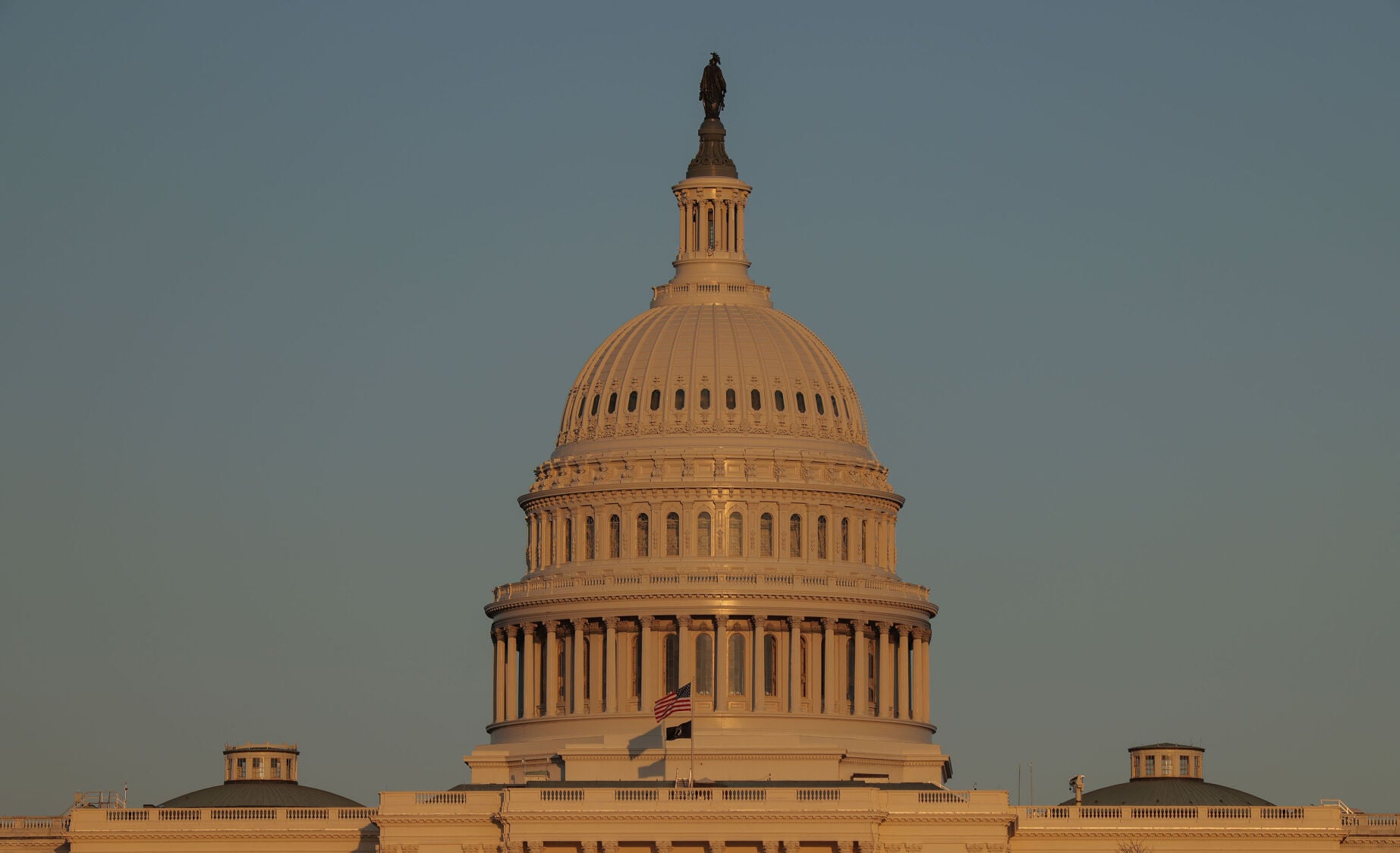
Photo by The Brunswick News
Key Takeaways:
- Midterm elections often renew debate about debt and deficit.
- Politicians commonly promise tax cuts without clear funding details.
- The editorial highlights a lack of transparent solutions for reducing debt.
- Voters are encouraged to demand more specifics from candidates.
- Clarity on the nation’s fiscal future is needed to ensure comprehensive policy.
The Midterm Moment
The midterm election season is now in full swing, drawing Americans’ attention to the fate of various Congressional seats. Amid campaign rallies and debates, the question of national finances remains particularly pressing, as the United States continues to grapple with concerns about mounting debt.
The Allure of Tax Cuts
Politicians, especially those seeking reelection or a first-time seat in Washington, often promise voters something tangible—most frequently, tax cuts. Such pledges appeal to people’s desire for immediate economic relief, offering an enticing notion of “more money in your pocket.” However, as this editorial notes, these declarations rarely include a thorough plan for resolving the underlying debt problem.
A Deficit of Answers
Candidates for Congress, the piece points out, are adept at packaging proposals that resonate with public sentiment. While tax cuts can stimulate short-term support at the ballot box, the editorial warns that the debt question—“How exactly will we reduce our looming financial obligations?”—often remains overlooked. Pointing to a broader debate, the editorial underscores the need for transparency: Voters deserve concise and responsible strategies.
Quotes from the Editorial
The article offers a clear critique: “Candidates for Congress are doing what politicians often do: promising voters something in return for sending them to Washington or keeping them there.” In the lead-up to Election Day, there is no shortage of statements on tax policy. What’s scarce, however, is a genuine conversation on how those promises might worsen or resolve the national deficit.
Why Debt Matters for Voters
The national debt is not a mere abstraction for policy wonks; it directly impacts interests from infrastructure to education. When debt climbs, government spending choices become more constrained, and taxpayers bear the eventual burden. Despite its prominence, solutions to address the constant increase in tallying red ink are seldom front and center on the campaign trail.
Toward Greater Transparency
Looking ahead, this editorial from The Brunswick News calls on both voters and candidates to make debt management a real priority. While campaign season typically emphasizes the allure of economic benefits, true fiscal health demands balancing public promises with feasible budget strategies. As the country heads toward another Election Day, the editorial urges Americans to seek leaders who are prepared to tackle—rather than ignore—the growing deficit.