Emirates President Tim Clark cautions that the aviation industry is entering “uncharted territory” as new U.S. tariffs and trade disputes threaten global growth and escalate costs for airlines worldwide. Despite uncertainties reminiscent of the 2008 financial crisis, Clark remains cautiously optimistic about future demand, noting strong forward bookings for Emirates.
Subscribe
Breaking News
Export-Import Trends
Industry News
International Politics
Middle East
Stock Market
Trade Agreements
Emirates President Tim Clark warns of ‘uncharted territory’ as tariffs hit global aviation

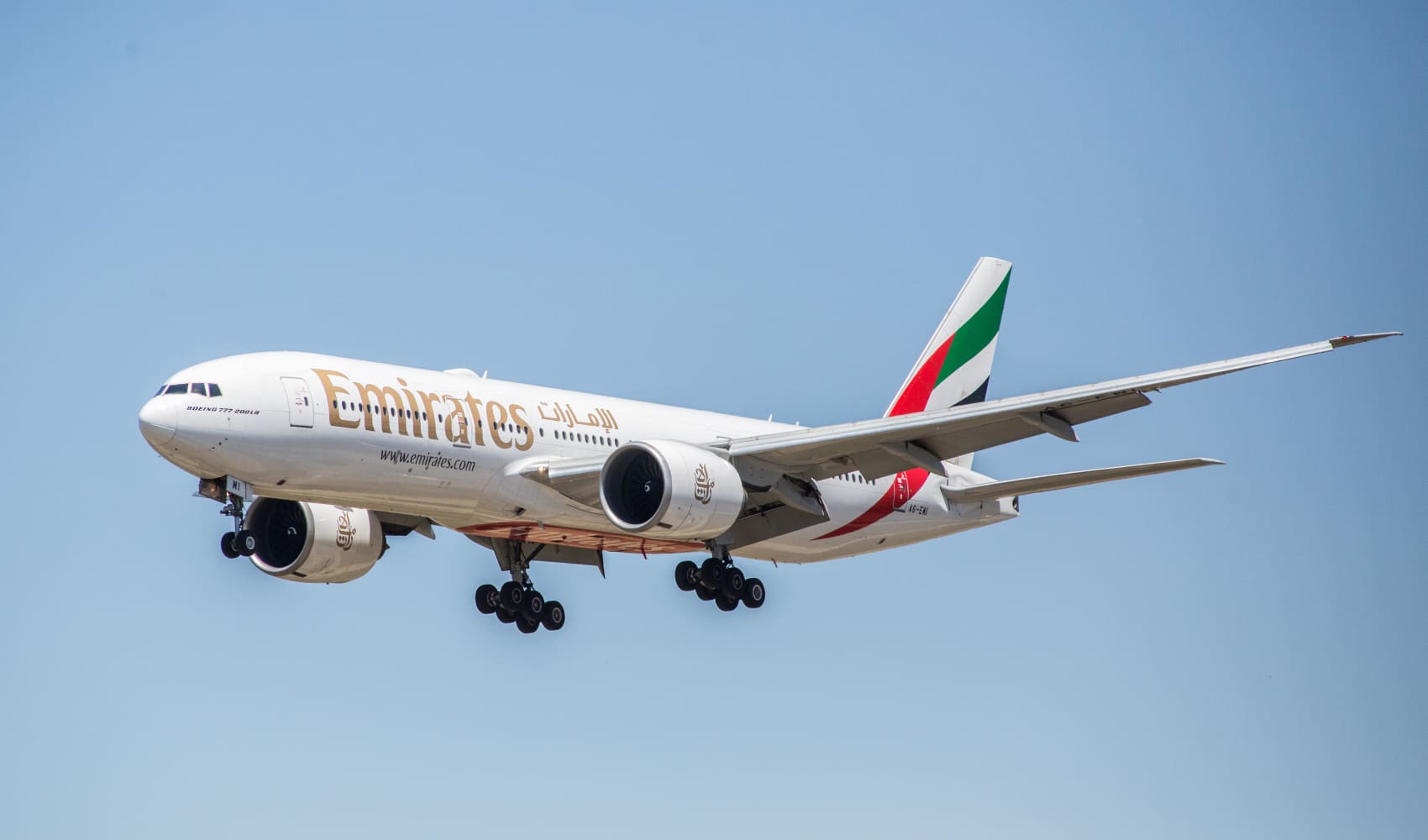
Photo by Nbc 7 San Diego
Key Takeaways:
- Emirates President Tim Clark warns that new U.S. tariffs are pushing the aviation industry into “uncharted territory.”
- The tariffs could lead to a global economic reset similar to the 2008-2009 financial crisis.
- China’s retaliatory tariffs on U.S. aerospace companies may indirectly impact airlines like Emirates.
- Airline stocks have dropped by double digits since the tariff announcement.
- Despite challenges, Emirates reports strong forward bookings into early 2026.
Emirates President Warns of Troubled Times Ahead
As global trade tensions escalate, Emirates President Tim Clark has cautioned that the aviation industry is entering “uncharted territory” due to the impact of new U.S. tariffs. Speaking to CNBC in an interview recorded on March 20—prior to Washington’s latest levy announcement—Clark expressed concern over the sweeping trade measures introduced by U.S. President Donald Trump.
“We Are in Troubled Times”
“Right now, we are in troubled times,” Clark stated. “It’s uncharted because it involves a measure of reset to a level that the global economy probably hasn’t seen since the financial crisis of 2008-2009.” He highlighted the growing pressures on carriers and anticipated ripple effects across the aviation supply chain.
Impact of Tariffs on Global Aviation
The new U.S. tariffs and ensuing trade disputes have unsettled global markets. China’s retaliatory tariffs on U.S. aerospace giants like Boeing and GE Aerospace pose indirect challenges for airlines such as Emirates. As costs ripple through the supply chain for aircraft and parts, carriers may face increased expenses.
Market Response and Industry Concerns
Since the tariff announcement on April 2, airline stocks have dropped by double digits. The Aerospace Industries Association (AIA), representing companies like Boeing and GE Aerospace, acknowledged the difficulties ahead. “The new tariff regime certainly makes things more expensive for the industry,” said Dak Hardwick, AIA’s vice president of international affairs.
Differing Views Within the Industry
Not all industry leaders share the same level of concern. A day before the tariffs were unveiled, International Air Transport Association (IATA) chief Willie Walsh suggested that the levies were unlikely to halt the post-COVID-19 resurgence in air travel demand. “It’s additional uncertainty which we never welcome but we’ve always been able to manage,” Walsh stated in remarks cited by Reuters.
Optimism Amid Uncertainty
Despite the challenges, Clark remains cautiously optimistic about the industry’s resilience. “Business models like Emirates, given the international scope of what it does, the strength of what it does, will be able to ride this particular wave,” he affirmed. Clark noted that long-haul travel demand remains “very strong,” with forward bookings solid through the rest of the year and into early 2026.
Looking Ahead
As the aviation industry navigates these “troubled waters,” the long-term effects of the tariffs remain to be seen. The potential for a global economic reset poses significant challenges, but industry leaders like Clark express confidence in their ability to adapt. “It’s early days to see what effect the resetting of the terms of trade will have on the global economy and ergo discretionary demand for leisure travel,” he observed.
Turbulence in the Markets
Airlines are already feeling the financial impact. The drop in airline stocks signals market apprehension about increased costs for jets and essential equipment. Many integral parts, such as jet engines, comprise components from around the world, complicating the supply chain further amidst trade disputes.
Your goal is to maintain the integrity of the original information while improving its presentation for TIME Magazine’s audience. Each heading is on a separate line, followed by its paragraph, and no additional information beyond the original content has been included.