The European Commission is set to introduce a floating price cap on Russian oil, starting slightly above $45, in a move to strengthen sanctions. Aimed at adjusting with global oil price changes, the proposal faces caution from shipping nations and opposition from Slovakia, potentially challenging its implementation.
Subscribe
Analysis and Opinions
Breaking News
Global Conflicts
International Politics
Policy Analysis
European Commission preparing floating oil price cap on Russia, starting at $45

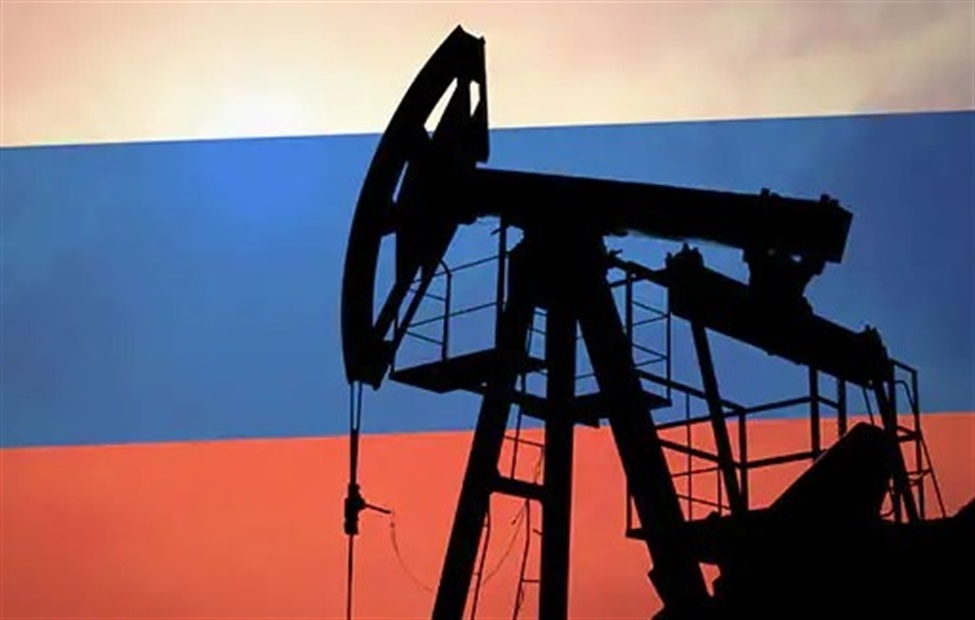
Photo by Forexlive
Key Takeaways:
- The EU is proposing a floating price cap on Russian oil starting above $45.
- The cap would adjust automatically with global oil price changes.
- Previous attempts to lower the fixed cap met resistance and lacked U.S. support.
- Shipping-dependent countries express caution over potential industry impacts.
- Slovakia opposes the broader sanctions due to energy import concerns.
EU’s Floating Oil Price Cap: A New Approach to Sanctions on Russia
Introduction
The European Commission is preparing to propose a floating price cap on Russian oil, initiating the new mechanism at slightly above $45 per barrel. This initiative is part of the European Union’s 18th sanctions package aimed at exerting increased economic pressure on Russia amid ongoing geopolitical tensions.
The Ineffectiveness of the Fixed Cap
In 2022, the EU, in coordination with the Group of Seven (G7), set a fixed price cap of $60 per barrel on Russian oil. This cap was designed to limit Russia’s revenue by banning tanker-based trade, insurance, and other services for oil sold above the set price. However, falling global oil prices have rendered the fixed cap increasingly ineffective.
“The fixed cap has become ineffective due to falling oil prices.”
As oil prices dropped, the cap ceased to constrain Russian oil revenue as intended. Recognizing this shortcoming, the European Commission seeks a more dynamic approach.
Details of the Floating Cap Proposal
The new floating cap would adjust automatically in line with global oil price changes. Starting slightly above $45 per barrel, the cap aims to remain relevant regardless of market fluctuations. This mechanism is still under discussion, with specifics yet to be finalized.
Resistance Within the EU
Despite the strategic intent, the proposal faces caution from within the EU. Shipping-dependent countries like Greece, Cyprus, and Malta are wary of potential negative impacts on their maritime industries.
“Shipping-dependent countries remain cautious, worried the measure could harm their maritime industries.”
These nations fear that stricter caps could drive business away from the EU, undermining their economies and the shipping sector at large.
Slovakia’s Opposition
Adding to the internal challenges, Slovakia opposes the broader sanctions package. The country’s concerns center on the EU’s plan to fully phase out Russian energy imports by 2027, which Slovakia fears could disrupt its energy security and economic stability.
Since EU sanctions require unanimous approval, Slovakia’s dissent poses a significant obstacle to the implementation of the new measures.
International Dynamics and U.S. Support
Efforts to lower the existing fixed cap have previously met resistance not only within the EU but also lacked support from the United States. Although some U.S. senators have expressed backing for stricter measures against Russia, broader U.S. endorsement for a reduced cap has not been secured.
Challenges Ahead
The European Commission’s proposal represents a strategic shift intended to tighten sanctions on Russia. However, internal divisions and the necessity for unanimous agreement among member states complicate the path forward.
The concerns of shipping nations and Slovakia’s opposition highlight the delicate balance the EU must maintain between economic interests and geopolitical objectives.
Conclusion
As negotiations continue, the effectiveness of the EU’s sanction strategy hangs in the balance. The proposed floating price cap could enhance the pressure on Russia’s economy, but only if consensus can be reached within the EU. The coming weeks will be critical in determining whether the bloc can align its diverse interests to implement this new approach.