Yasukuni Shrine in Tokyo honors more than 2.4 million people who died serving Japan. Founded in the Meiji era and rooted in Shinto tradition, this memorial has long stirred debate over its portrayal of Japan’s wartime past.
Subscribe
Historical Sites
Examining history behind Japan’s controversial shrine to war dead

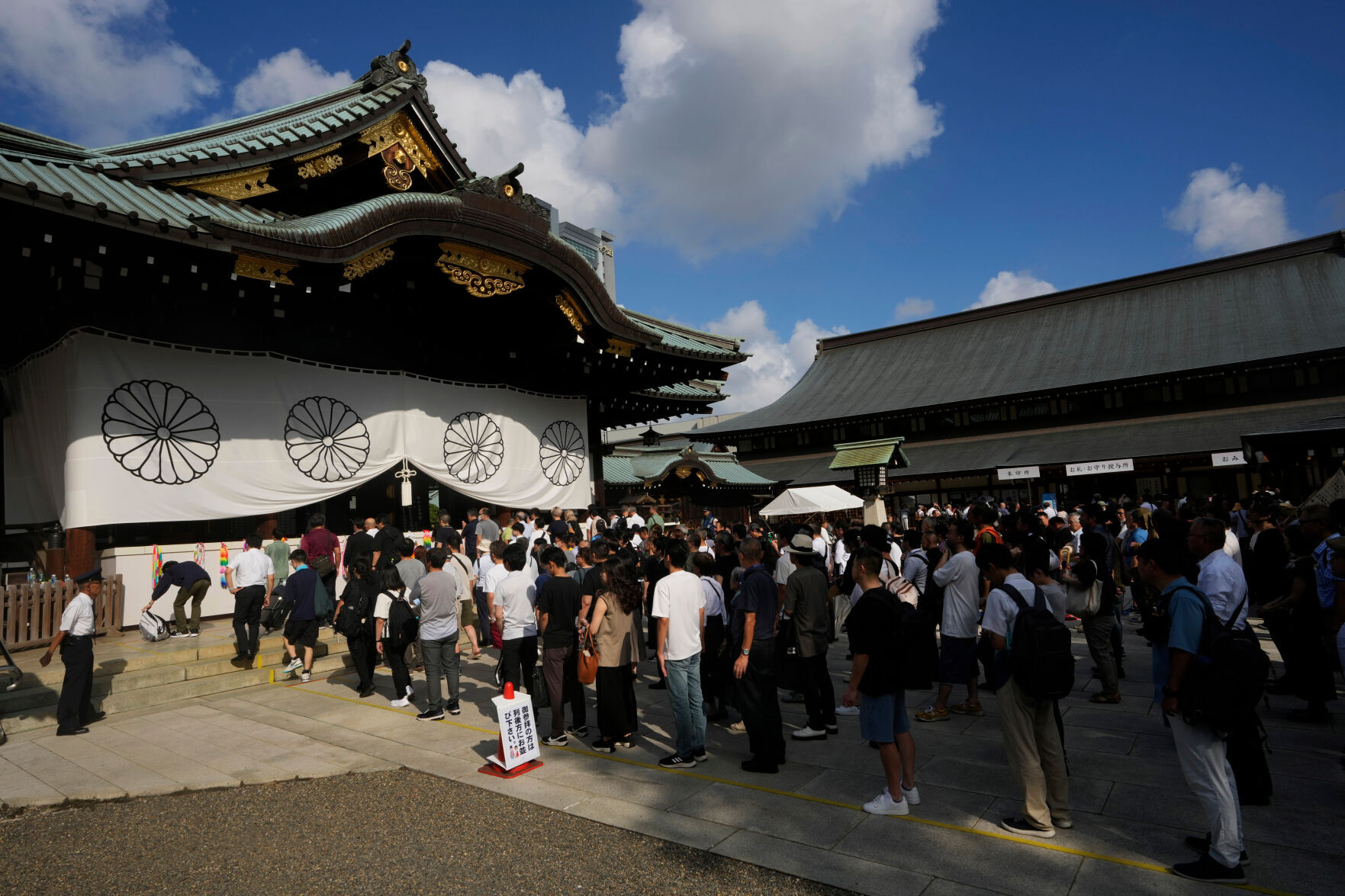
Photo by Owensboro Messenger And Inquirer
Key Takeaways:
- Yasukuni Shrine honors over 2.4 million people who died serving Japan
- Founded during the Meiji era
- Considered one of the country’s most divisive memorial sites
- Historically linked with the emperor
- Rooted in Shinto tradition
Origins in the Meiji Era
Yasukuni Shrine dates back to the Meiji era, when Japan was undergoing significant social and political reforms. This moment in history laid the foundation for the shrine’s close ties to the imperial institution, reflecting a desire to memorialize those who had served the emperor.
Honoring Over 2.4 Million
Today, more than 2.4 million men and women who died in service of Japan are said to be enshrined at Yasukuni. This commemorative focus places the shrine at the heart of national remembrance, illustrating the country’s efforts to pay tribute to fallen heroes of various conflicts.
Controversial Symbol
Despite its status as a place of reverence, Yasukuni Shrine remains one of Japan’s most divisive memorial sites. Many observers view the shrine’s emphasis on wartime sacrifice as vital to honoring the nation’s past, while others believe it glosses over complex wartime responsibilities.
A Complex Debate
Over the years, questions have arisen about how best to acknowledge Japan’s history without neglecting the perspectives of those affected by its past conflicts. As debates continue, Yasukuni Shrine stands as a focal point for broader discussions on how nations remember their war dead and confront their legacies.
Reflections on War and Memory
In this ongoing conversation, Yasukuni’s Shinto roots add another layer of spiritual meaning, suggesting that commemoration is about more than just secular remembrance. Its connection to the nation’s intricate past means it will likely continue to be a site of cultural and historical significance—ultimately shaping how Japan views its own legacy.