Fireflies in Pennsylvania are more than glowing accents on warm nights. Despite being beetles known for their enchanting light displays, these insects face a growing list of threats, including habitat loss, pesticides, and light pollution. Understanding their bioluminescent signals is key to preserving their mesmerizing summer glow.
Subscribe
Sustainable Living Practices
Wildlife Protection
Fireflies light up summer nights with a fascinating life cycle

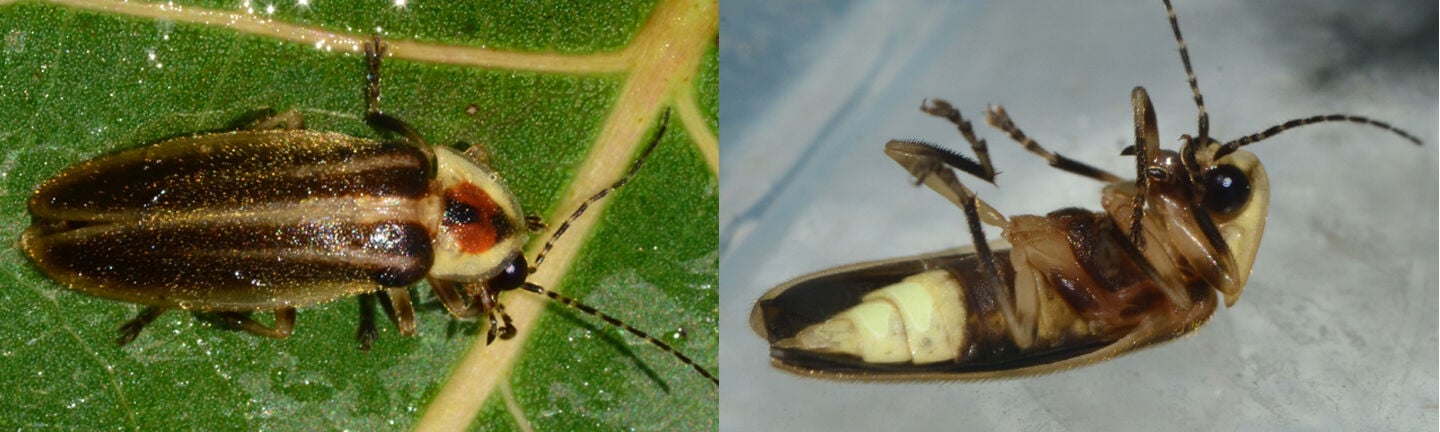
Photo by Berkshireeagle.com
Key Takeaways:
- Fireflies belong to the beetle family, not flies.
- They use bioluminescence for communication, particularly while hunting and mating.
- Habitat loss, pesticides, and light pollution threaten their survival.
- Pennsylvania provides a glimpse into the challenges facing fireflies.
- Human activity plays a significant role in affecting firefly populations.
The Enchanting Glow
Few sights compare to a warm Pennsylvania evening illuminated by flickering fireflies. Often called nature’s lanterns, these insects captivate children and adults alike with their bioluminescent dance. Contrary to their name, fireflies are not flies at all; they are beetles whose glowing abdomens serve as natural flashlights.
The Beetles Behind the Light
Recognizing that fireflies are beetles offers insight into their life cycle. Their glow is more than just a cheerful show—it plays a vital role in how they hunt and find potential mates. When fireflies exchange these light signals, they display an intricate form of communication that scientists continue to study.
Bioluminescence and Communication
Fireflies rely on bioluminescence as a coded language. Through synchronized flashes, they can attract mates, define territory, or even deter predators. This distinctive glow is especially visible on clear summer nights, transforming fields, woodlands, and gardens into dazzling light displays.
Threats to Survival
Despite their magic, fireflies face environmental challenges. Rapid habitat loss due to urban development restricts their breeding and feeding grounds. Pesticides used in agricultural and residential settings can harm both adult beetles and their larvae. Meanwhile, artificial lighting in cities and suburbs disrupts the crucial flash patterns that fireflies rely on for reproduction and communication.
Pennsylvania’s Firefly Haven
Pennsylvania is home to various firefly species—each with its own unique flash patterns—and has long been a place to witness these creatures at the height of their summer glow. Local naturalists and observers, including nature columnist Bill Danielson, have drawn attention to the need for conservation efforts.
Preserving Nature’s Lanterns
Addressing habitat concerns and reducing pesticide use are steps toward ensuring fireflies continue to shimmer across Pennsylvania’s fields and forests. Protecting night skies from excessive artificial light also helps preserve the delicate interactions that make these beetles’ light displays possible. Ultimately, sustaining the magic of fireflies requires collective awareness and action, safeguarding the wonders of summer nights for future generations.