Activists in Roanoke County are organizing a community information session on Saturday and a rally on Monday to protest the use of Flock cameras. They argue that automated license plate readers raise serious concerns about privacy and mass surveillance.
Subscribe
Breaking News
Policy Analysis
Political Movements
Flock cameras subject of meeting, rally in Roanoke County and Roanoke

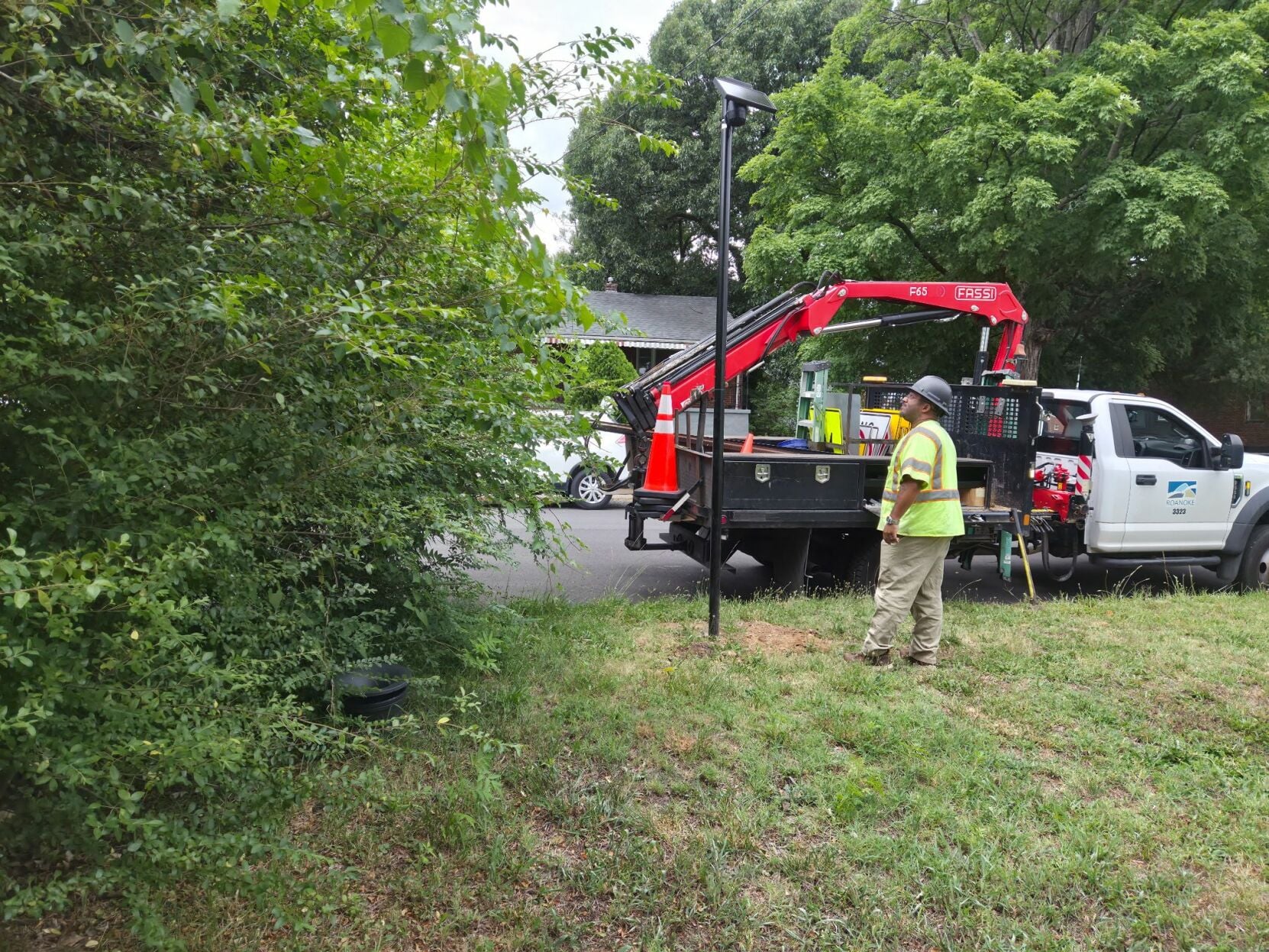
Photo by Roanoke
Key Takeaways:
- Flock cameras are an automated license plate reader system at the center of this debate.
- Activists express concerns about privacy and civil liberties.
- A community info session will take place Saturday in Roanoke County.
- A follow-up rally is scheduled for Monday in Roanoke.
- The controversy over Flock cameras highlights broader worries about mass surveillance.
Activists Raise Concerns
Activists opposed to Flock cameras—automated license plate readers—are speaking out about the technology’s potential impact on privacy and civil liberties. Recent plans include bringing the community together to learn more about the issues surrounding surveillance technology and explore alternative approaches to public safety.
What Are Flock Cameras?
Flock cameras, also known as automated license plate readers, capture license plate data and can be used by law enforcement agencies for crime prevention. While some see these tools as a way to improve public safety, critics worry about how such data is collected, stored, and potentially misused.
Privacy and Civil Liberties at Stake
Concerns about mass surveillance and the erosion of civil rights have taken center stage in discussions about Flock cameras. Activists argue that monitoring vehicles can undermine individual freedoms and create a sense of constant surveillance in communities.
Community Events Planned
Activists have announced two gatherings to address these concerns. On Saturday, a community information session will be held in Roanoke County, offering local residents a chance to learn more about how Flock cameras operate and their potential risks. A rally is also planned for Monday in Roanoke to bring further attention to the issue and urge policymakers to consider the privacy implications of expanding automated surveillance technologies.











