Goldman Sachs had been calling for Federal Reserve rate cuts this December and early next year—until a strong May jobs report changed everything. Now, the bank has removed both anticipated cut dates, leaving markets to reconsider what lies ahead for monetary policy.
Subscribe
Industry News
Market Trends
Policy Analysis
Goldman Sachs sends strong message on next Fed rate cut

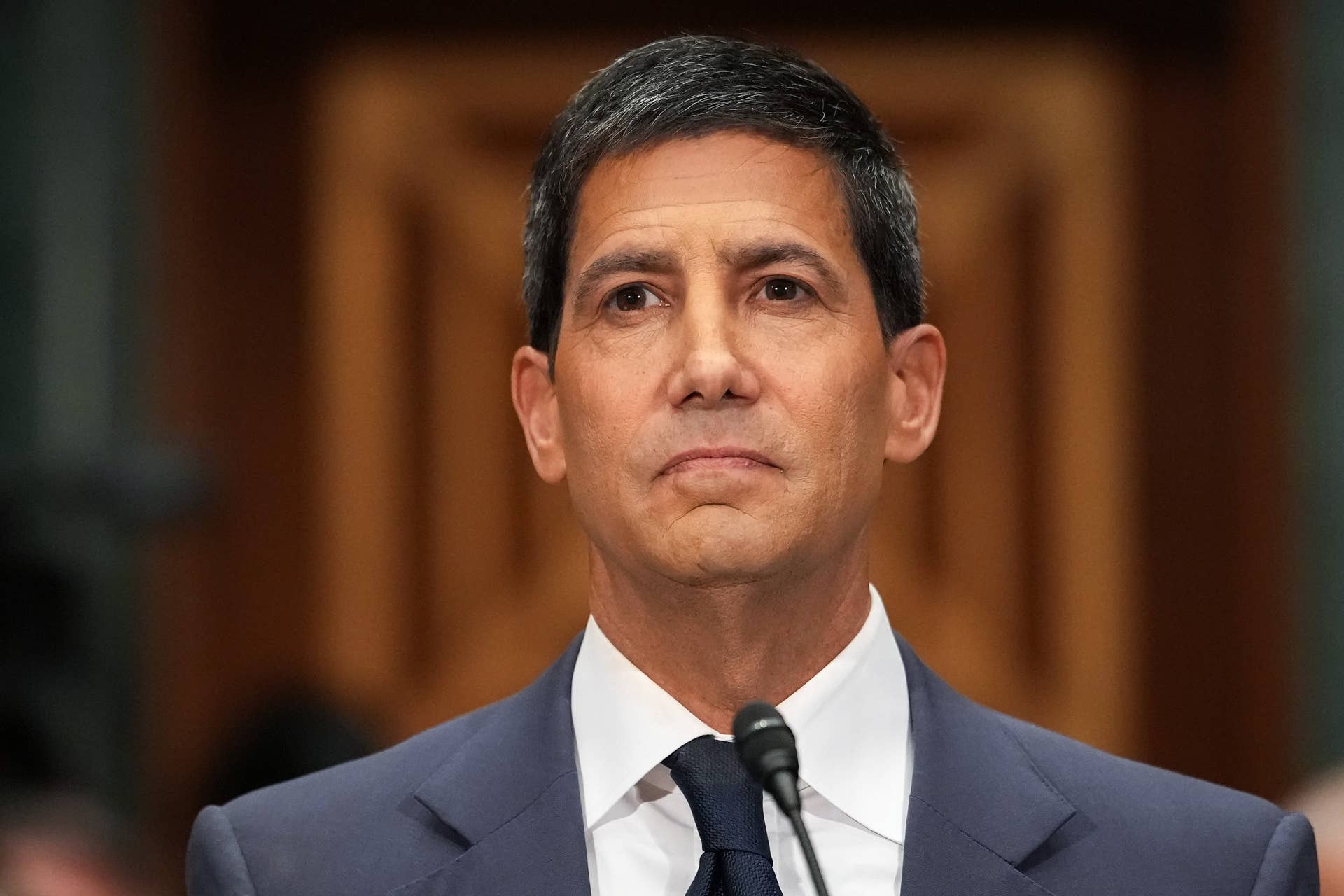
Photo by Thestreet
Key Takeaways:
- Goldman Sachs initially projected Fed rate cuts for December 2026 and March 2027
- A surprisingly high May jobs report spurred the bank to revise its forecast
- Markets have been intensely focused on Federal Reserve moves throughout 2026
- No new timeline has been provided, adding to market uncertainty
- This turn of events highlights how economic indicators can rapidly alter forecasts
Market Background
Markets spent much of 2026 closely monitoring the Federal Reserve’s every move, eagerly anticipating the next round of rate cuts. Goldman Sachs had been among the prominent voices calling for cuts in December 2026 and again in March 2027, reflecting ongoing hopes for more accommodative monetary policy.
Goldman Sachs’ Shift
On June 6, everything changed. After the May jobs report landed well above every economist’s estimate, Goldman Sachs promptly crossed its rate-cut forecasts off the calendar. The numbers evidently upended the bank’s expectations about an economic slowdown, prompting it to reassess the likelihood of near-term policy easing.
Why the Jobs Report Matters
Employment figures often serve as key indicators of economic robustness. A stronger-than-expected job market can encourage Federal Reserve policymakers to hold off on rate cuts, given concerns about inflation and overheating. The May data was sufficiently strong to convince Goldman Sachs that lower rates might not be warranted as soon as previously thought.
Future Outlook
With Goldman’s previously identified cut dates removed, there is no clear timeline for when or if the Federal Reserve’s next easing move will occur. Markets remain watchful, balancing optimism about economic growth with the persistent question of when relief might come in the form of lower rates. Financial analysts are now tasked with considering how shifting data points will continue to shape policymaking for the remainder of 2026—and beyond.