Chinese labs like Alibaba, DeepSeek, and Moonshot AI are rapidly bringing open-weight frontier models to the forefront, nearly matching top U.S. AI services in both intelligence and performance. Their free models challenge the business strategies of Western labs like OpenAI and Anthropic, which depend on paid access to offset enormous development costs.
Subscribe
Analysis and Opinions
Generative AI
If open weight models are the future, U.S. AI companies are going to have a hard time

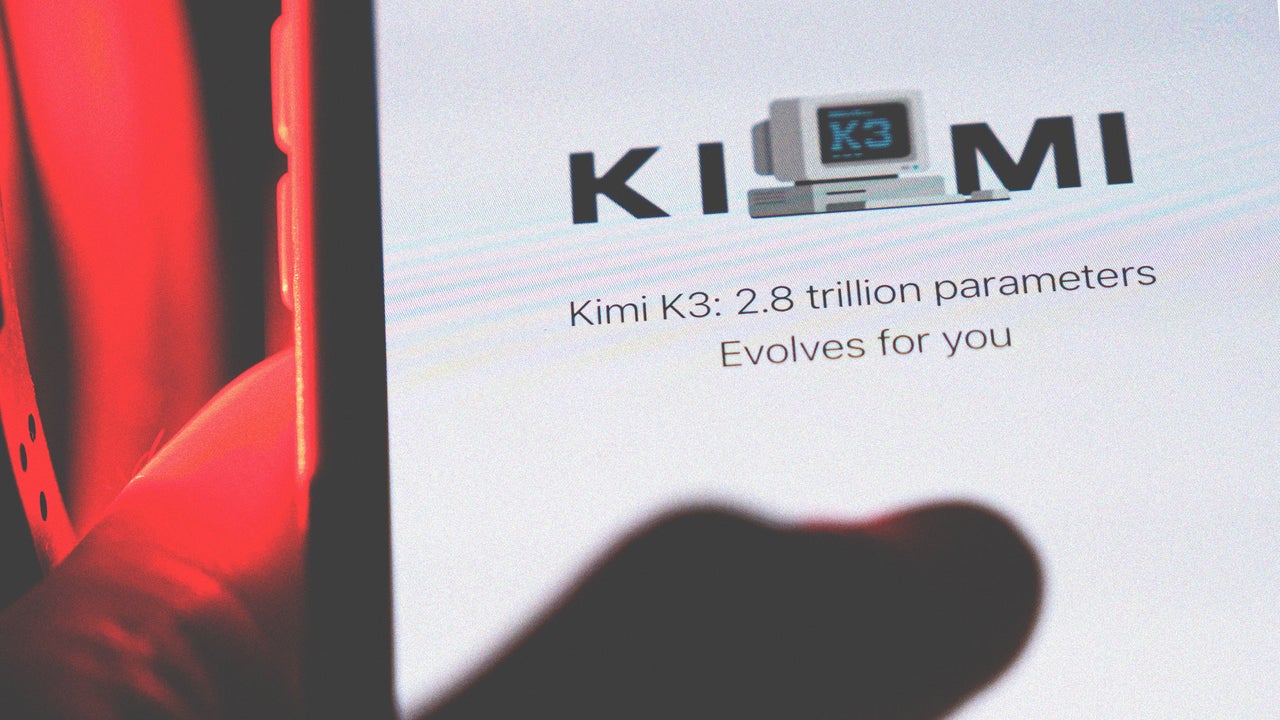
Photo by Fast Company
Key Takeaways:
- Open-weight AI models from Chinese labs are improving quickly and rivaling U.S. closed models.
- Western AI firms rely on high-cost APIs to offset expenses, leaving them vulnerable.
- Openness allows businesses to customize AI while keeping proprietary data in-house.
- The Android vs. iOS parallel highlights the strategic value of free, widely shared systems.
- Both Chinese and Western labs face escalating demands for computing power and talent.
The Growing Threat of Open-Weight AI
Open-weight frontier models—AI systems whose underlying parameters, or “weights,” are freely shared—are rapidly changing the AI landscape. By mid-2026, models from Chinese labs such as Alibaba, DeepSeek, and Moonshot AI nearly matched the intelligence and performance of Western models, which had traditionally led the pack. These frontier models may consist of a trillion parameters or more, each layer influencing the final output of the algorithm.
Why Western Labs Are Concerned
Top Western entities, including OpenAI, Anthropic, and Google DeepMind, have traditionally kept their model weights secret. This closed approach helps them maintain a competitive edge while offsetting significant expenses in computing, data licensing, and top-tier research talent. Their business model revolves around charging companies API fees for access. As long as closed models provided higher-quality answers, many organizations were willing to pay for simplicity and guaranteed performance. However, the rapid progress of open-weight alternatives is beginning to eat into that market.
The Chinese Open-Weight Approach
In stark contrast, Chinese labs release their model weights publicly. By doing so, they allow developers worldwide to adapt and improve the underlying AI. Much like Google’s Android operating system strategy, this open framework can lead to widespread adoption. A growing number of companies prefer to customize a freely available model rather than rely on closed AI systems that require steep API fees. Additionally, hosting the model in private clouds helps businesses keep sensitive data internal.
Revenue and Strategic Implications
Open-weight developers can still generate income by assisting enterprise clients with fine-tuning, deployment, and specialized applications. Meanwhile, Chinese labs benefit from the collective contributions of a global network of researchers and engineers who continuously refine the open models. Given the rising performance of these models, more companies are reconsidering the notion that only a closed system ensures the best results.
A Race for Global AI Dominance
With Chinese open-weight frontier models now nearly on par with those from the West, the competition has evolved into a race for influence and adoption. When more enterprises install these free open-weight systems, they anchor an ecosystem that draws further talent, innovation, and investment. In the process, the entire Chinese AI sector, including domestic chip production, cloud platforms, and development pipelines, also stands to benefit. The world now watches to see whether Silicon Valley’s closed approach can maintain its advantage in the face of China’s rapidly maturing open-weight revolution.











