As summers grow steadily more extreme and energy costs continue to rise, next-generation inverter heat pumps promise an efficient response. By fine-tuning indoor temperatures, these systems may offer comfort and cost savings for homeowners facing the challenges of a warming climate.
Subscribe
Global Warming Effects
Green Energy Solutions
Home Renovation Tips
Sustainable Living Practices
Hotter Summers and Rising Energy Costs: How Next-Generation Inverter Heat Pumps Can Provide Comfort and Savings

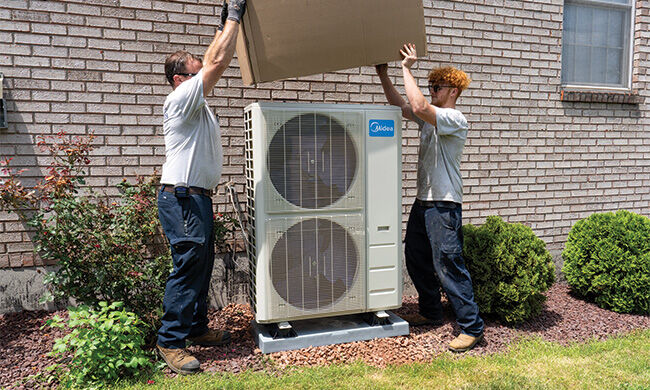
Photo by Yoursun.com
Key Takeaways:
- Climate-driven demand for more efficient cooling is on the rise
- Rising electricity bills highlight the need for energy-smart solutions
- Next-generation inverter heat pumps can adjust output more precisely to reduce costs
- These systems aim to provide both comfort and environmental benefits
- The technology is at the intersection of home improvement, business, and sustainability
The Growing Demand for Efficient Cooling
Hotter summers have become a notable concern, driving homeowners to seek new ways to keep living spaces enjoyable without incurring skyrocketing energy bills. This urgency has put a spotlight on innovative cooling technologies that are designed to manage interior climates more intelligently.
Addressing Soaring Energy Costs
As utility rates climb, many households are looking for alternatives that can help stabilize or reduce monthly expenses. The article from Yoursun.com points to the role of next-generation solutions in addressing these dual challenges of high temperatures and escalating energy fees.
Why Next-Gen Inverter Heat Pumps Are Different
Traditional heating and cooling systems often run at fixed speeds, switching on and off to regulate temperature. Inverter heat pumps, however, stand out because they can modulate their power output more finely. This feature may enhance efficiency, so that adequate cooling and heating are provided without consistently operating at full capacity.
Potential Benefits at Home
In addition to improved temperature control, these advancements could translate into tangible household savings. Owners of such systems might see a significant impact on their monthly bills, all while maintaining a more comfortable indoor environment.
Implications for the Future
Looking ahead, the switch to inverter heat pumps could mirror a broader shift toward cost-effective and sustainable home technologies. As the climate continues to warm and energy becomes more expensive, these systems could play a role in shaping how consumers approach home comfort.