A wave of resignations in Minnesota’s federal prosecutor’s office has led to an unexpected break for a 12-time convicted felon. As career officials departed over objections to Trump administration directives, one defendant managed to avoid prosecution and gain his freedom.
Subscribe
Analysis and Opinions
Breaking News
Policy Analysis
How a defendant in Minnesota went free because of Justice Department turmoil

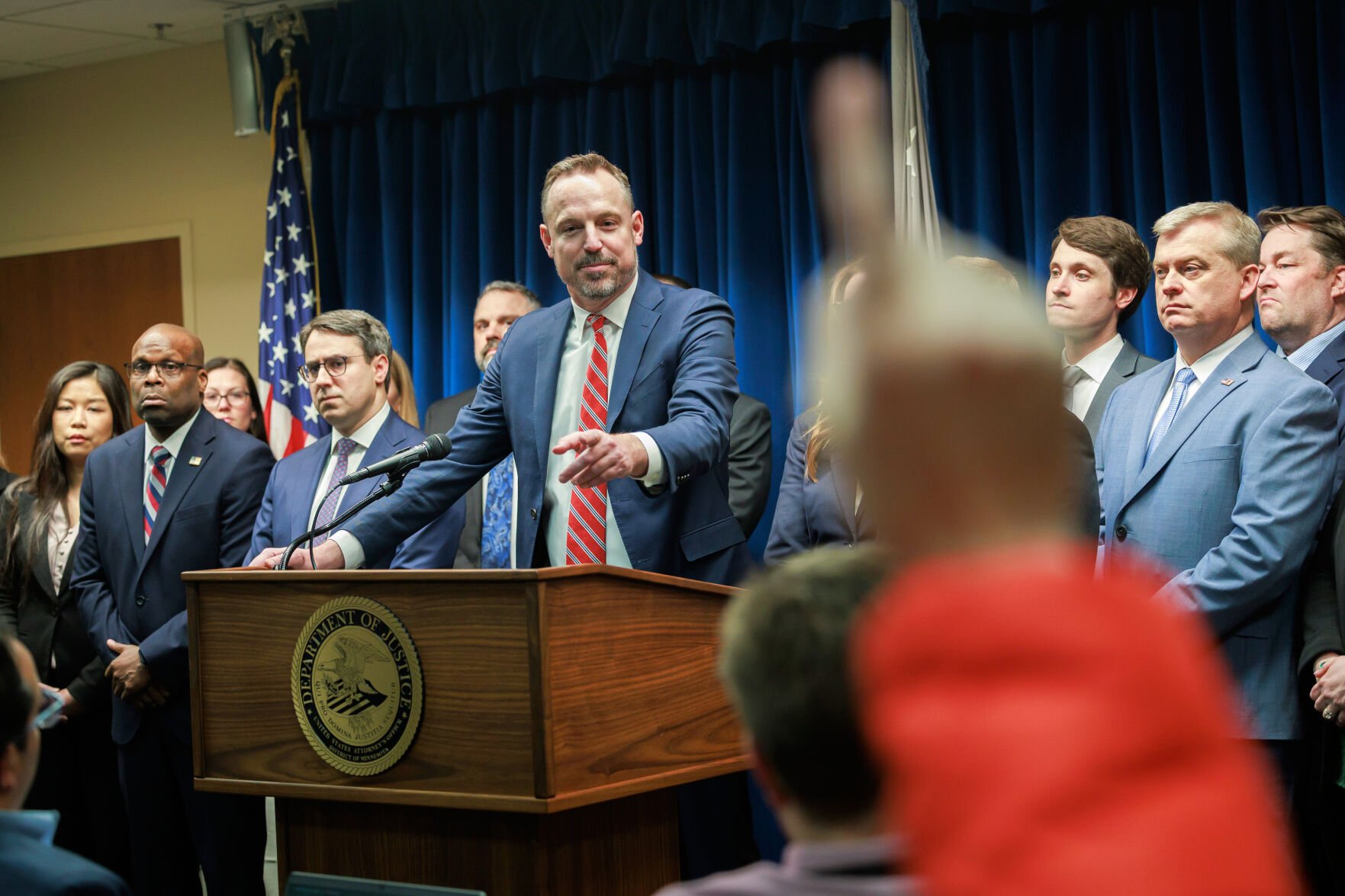
Photo by Southernminn
Key Takeaways:
- A significant number of career officials left the Minnesota federal prosecutor’s office.
- Trump administration directives were a key factor in prompting departures.
- A 12-time convicted felon, Cory Allen McKay, benefited from the office’s weakened capacity.
- The turmoil highlights how shifts in federal policy can affect criminal proceedings.
The Staffing Crisis
The federal prosecutor’s office in Minnesota faced a critical challenge when an exodus of career officials occurred. According to Associated Press reports, many left their positions over strong objections to directives from the Trump administration, leaving the office understaffed and marked by uncertainty.
The Defendant Who Went Free
One of the most striking consequences of this upheaval involved 12-time convicted felon Cory Allen McKay. With key personnel missing or unable to allocate sufficient resources, McKay’s case slipped through the cracks. Instead of facing another conviction, he effectively caught a break, demonstrating how personnel changes can have very real implications for legal outcomes.
Repercussions of Policy Changes
The turmoil in Minnesota underscores the larger impact that political directives can have on everyday justice. When government lawyers charged with enforcing federal laws step away in protest, cases can languish or go unresolved. This latest example speaks to the friction between career officials’ professional standards and the policy courses set by an administration.
Significance for Minnesota’s Legal Landscape
For the broader Minnesota community, the release of a long-time offender raises pressing questions about the continuity of legal oversight in times of political upheaval. Observers note that these developments highlight the delicate relationship between political aims and the pursuit of justice. Political transitions and policy disagreements can ultimately influence who faces accountability—and who goes free.