Fast food combos may promise a better deal, but they could be costing you more in the long run. Through a psychological trick known as the “decoy effect,” chains nudge customers toward pricier meals that might not offer real value.
Subscribe
Budgeting Tips
Saving Strategies
How Fast Food Chains Use The ‘Decoy Effect’ To Trick Customers Into Spending More

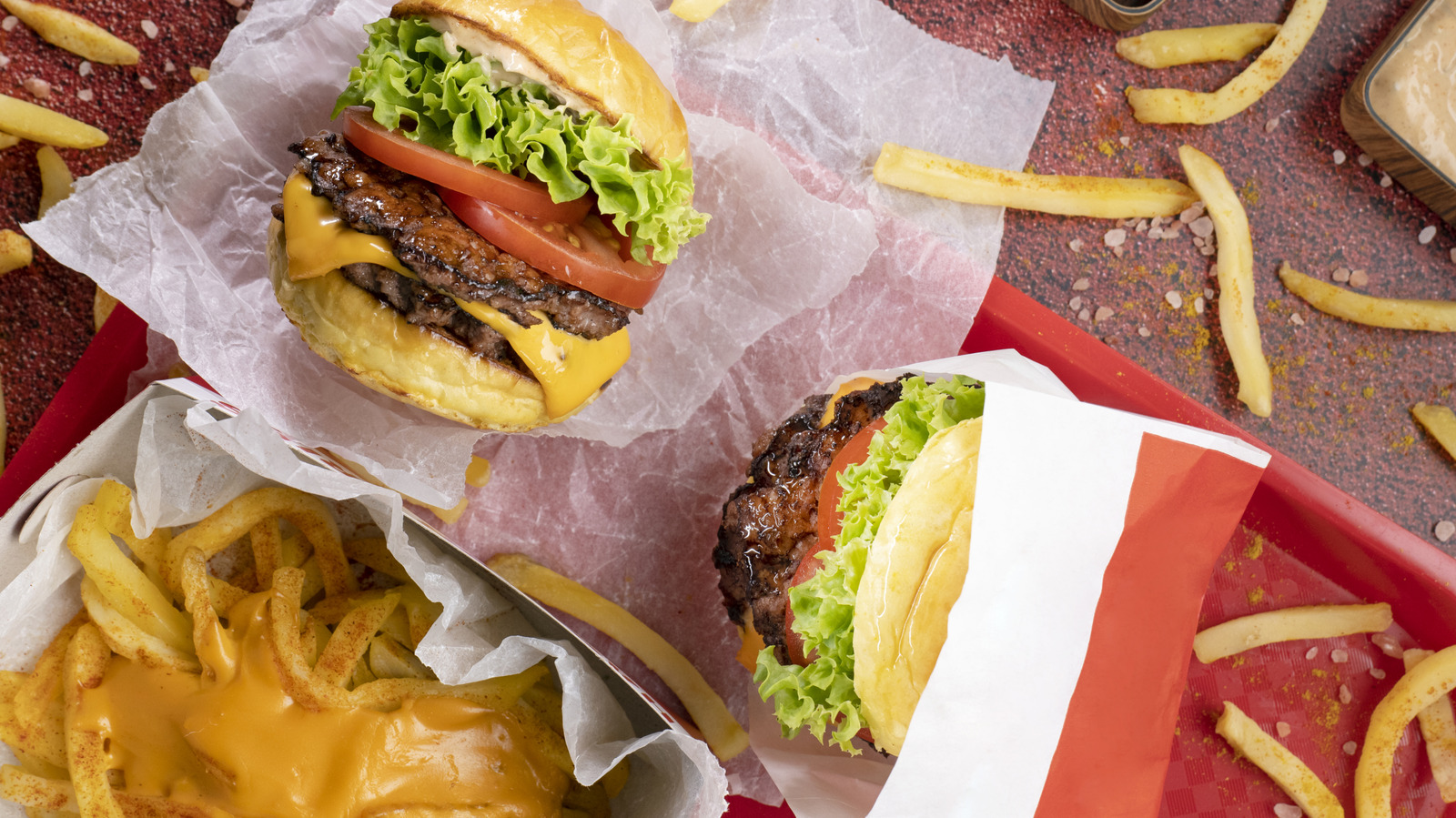
Photo by The Takeout
Key Takeaways:
- Fast food combos often appear to be cheaper but can be more expensive overall
- The decoy effect leads customers to pick bigger, pricier meals
- Customers sometimes pay for portions they do not really need
- Menu pricing strategies rely on consumer psychology
- Awareness of these tactics helps consumers make better choices
The Hidden Cost of “Value Meals”
Fast food menus are often designed to make combos look like a steal. Many customers are led to believe they’ll get more for their money by choosing a conveniently bundled meal. Yet, according to fast food industry watchers, these so-called “value meals” can cost more—and provide less genuine benefit—than ordering items separately.
How the Decoy Effect Works
Referred to in the original report as “a way for fast food chains to get you to pay more,” the decoy effect uses carefully positioned prices and portion sizes to nudge people toward bigger, more expensive options. By offering a middle option that looks unappealing compared to a slightly larger and more expensive one, the menu effectively guides customers to spend extra, convinced they are getting a better deal.
Why Combos Can Be a Trap
Customers see distinctly priced small, medium, and large combos, and they are often enticed to “upgrade” for what appears to be a minimal difference in cost. However, the article notes that “you actually pay a lot to get less.” This marketing strategy creates a perception of added value when, in reality, it might be cheaper—and healthier—to pick only what you truly want à la carte.
What It Means for Consumers
Paying close attention to menu details can prevent unnecessary spending. While combos might seem convenient, a partial order can cost less or meet your needs just as well. The next time you glance at a fast food menu, it may be wise to reconsider what you actually need—rather than what the decoy effect tries to sell you.