Established as a taxing district in 1967, the Calloway County Public Library stands as a testament to local citizens’ support for public resources. This piece explores how those tax funds are collected, allocated, and ultimately spent to sustain an important community institution.
Subscribe
Education Resources
Policy Analysis
How library taxes are set and spent
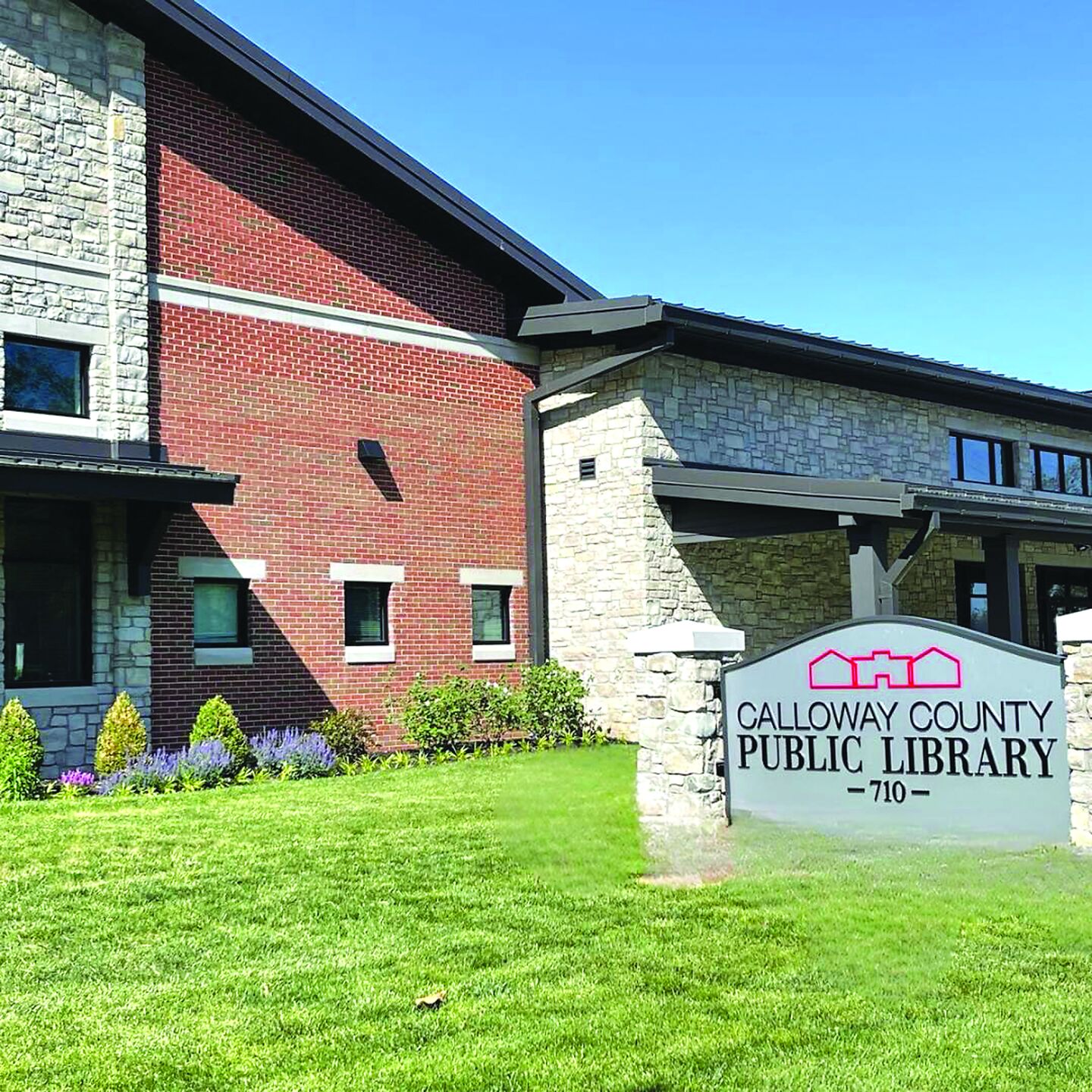
Photo by Murrayledger
Key Takeaways:
- In 1967, Calloway County citizens voted to establish their library as a taxing district.
- This legal structure grants the library the authority to collect taxes.
- Community involvement remains central to maintaining the library’s budget.
- Taxes are used to fund library operations, supporting local educational resources.
- Public finance decisions in Calloway County reflect broader trends in regional governance.
Background of the Calloway County Public Library
In 1967, residents of Calloway County, Kentucky, cast a decisive vote to establish the local public library as an official taxing district. This legal status granted the library the ability to gather tax revenue for its operations, solidifying the community’s role in funding its own educational and cultural institution.
How a Taxing District Works
Under Kentucky law, a taxing district collects revenue directly from residents to support specific public services. For the Calloway County Public Library, such authority means it can maintain a budget aimed at improving and expanding library services, all within the framework approved by voters decades ago.
Citizen Engagement and Petitioning
The establishment of the library’s taxing district came after citizens showed support through petitions and public votes. This community-driven process highlighted the region’s commitment to government finances and resource allocation at the local level. Today, such engagement ensures that library taxes, rates, and revenues connect directly to the needs and interests of county residents.
Budget and Spending Priorities
Much of the library’s funding is allocated to critical services, from maintaining robust collections to providing technological resources. As with other public finance decisions, these funds are planned in yearly budgets and reviewed by the library’s governing bodies to ensure responsible spending.
Building the Future of Public Finance
The Calloway County Public Library illustrates how a local institution can play a significant role in rallying community support for public services. By operating as a taxing district, it underscores the power of informed local votes and transparent budgeting, driving a robust public finance model that continues to serve the people of Calloway County.











