New tariff rules and customs fees are reshaping cross-border e-commerce in ways that extend beyond a single shipment. As these regulations evolve more quickly than many businesses can respond, companies face new challenges in maintaining competitive, cost-effective operations.
Subscribe
Export-Import Trends
Policy Analysis
How New Tariff Rules and Customs Fees Are Rewriting Cross-Border E-Commerce Costs


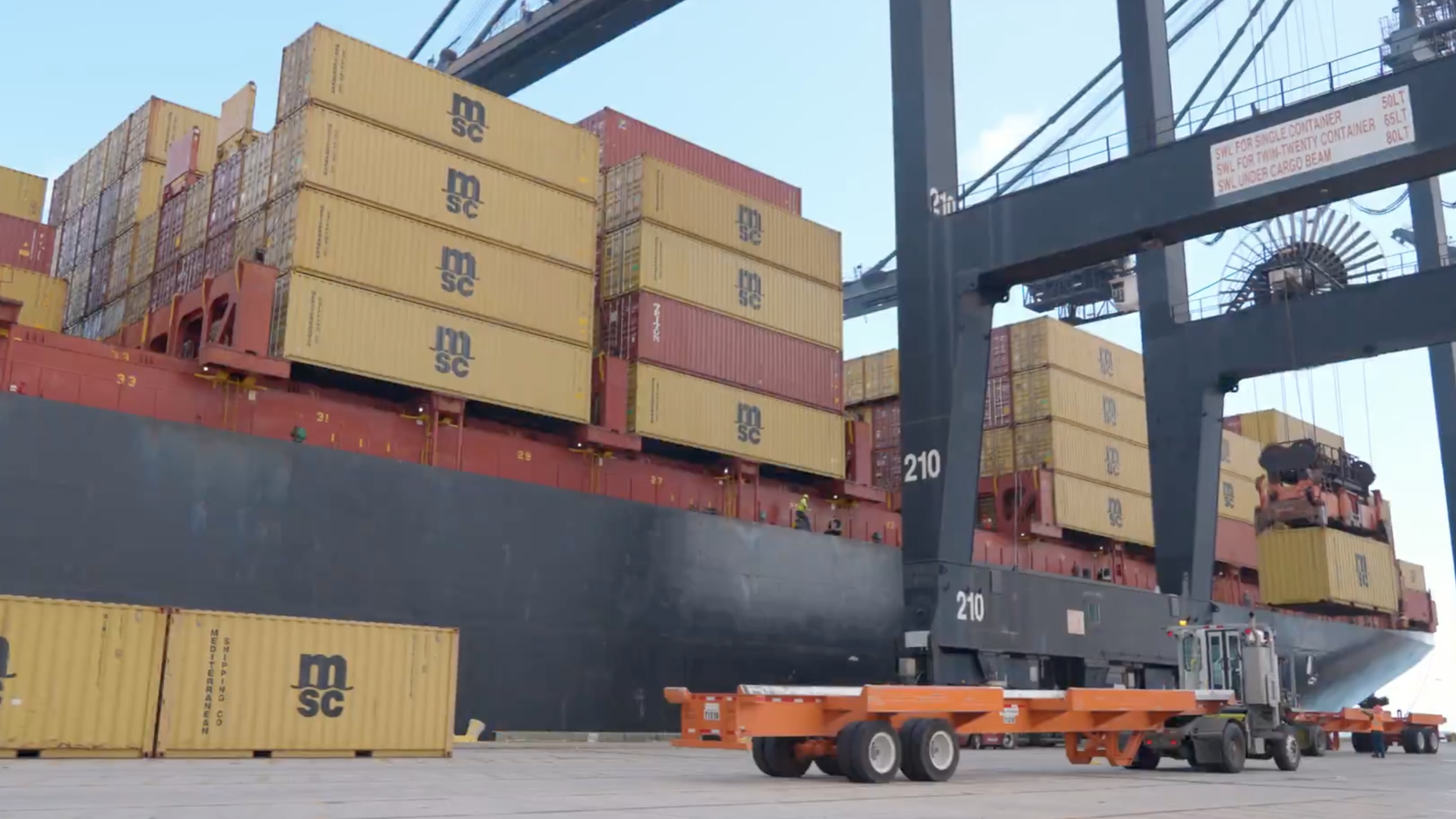
Photo by Supply Chain Brain
Key Takeaways:
- Tariffs and customs rules are changing faster than businesses can standardize responses
- The impact of regulatory shifts extends beyond a single shipping process
- Newly introduced fees and tariffs could alter overall e-commerce costs
- Businesses need to adapt quickly to remain competitive in a global market
- Monitoring regulations is crucial as costs and guidelines continue to shift
Shifting the Global Trade Landscape
Tariffs and customs regulations are being updated rapidly, causing a domino effect across the cross-border e-commerce sector. An industry observation notes that “tariffs and customs regulations are shifting faster than the industry can standardize responses,” underscoring the urgency. With rules varying by region, companies must stay informed or risk new costs and potential disruptions to their shipping models.
Why It’s More Than One Shipment
These evolving fees and regulations go well beyond the direct costs of a single transportation route. Observers emphasize that “the impact goes well beyond a single shipping process,” suggesting this is a systemic challenge. For retailers, carriers, and logistics providers alike, the changes potentially affect multiple aspects of supply chain operations, from sourcing materials to final delivery.
Preparing for the Unknown
In such a dynamic environment, adaptability is essential. Companies engaged in cross-border trade increasingly look toward more comprehensive strategies—whether that involves diversifying shipping options or reevaluating supply routes. Maintaining a flexible approach, while closely monitoring policy changes, can help businesses anticipate and manage the uncertainties that come with new tariff rules and customs fees.