Life is full of surprises, and not all of them are pleasant. From unexpected car repairs to sudden medical bills, financial emergencies can strike at any time. Having an emergency fund is crucial to navigate these unforeseen expenses without derailing your financial stability.
Subscribe
Personal Finance
How to Build an Emergency Fund (and Why You Need One)

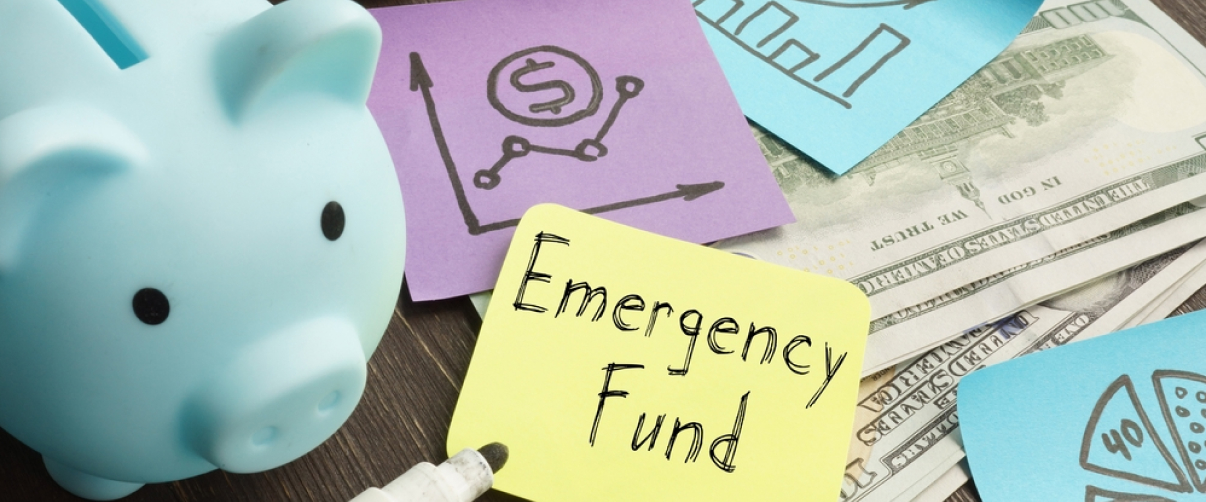
Image: @shutterstock 2134294311
What Is an Emergency Fund?
An emergency fund is a stash of money set aside specifically to cover unexpected expenses or financial emergencies. It’s a financial safety net that prevents you from relying on high-interest credit cards or loans when life’s surprises occur.
Why You Need an Emergency Fund
Without an emergency fund, a minor financial hiccup can turn into a major setback. For instance, if your car breaks down and you don’t have savings, you might be forced to use a credit card or take out a loan, which can lead to debt. An emergency fund protects you from such scenarios, ensuring that you’re prepared for whatever life throws your way.
How Much Should You Save?
Financial experts often recommend saving enough to cover three to six months’ worth of living expenses. However, the exact amount depends on your personal circumstances, such as your job stability, income, and monthly expenses. Start by calculating your essential monthly costs—like rent, utilities, groceries, and transportation—and aim to save a minimum of one month’s expenses as an initial goal. Starting small makes the goal achievable and less overwhelming.
Steps to Build Your Emergency Fund
1. Set Clear Savings Goals
Determine how much you need to save and set a realistic timeline. Having a clear goal can motivate you to stick to your savings plan.
2. Create a Budget
Analyze your income and expenses to find areas where you can cut back. Adjusting your spending habits, like dining out less or canceling unused subscriptions, can free up extra money to put toward your emergency fund.
3. Automate Your Savings
Set up automatic transfers from your checking account to a separate savings account dedicated to your emergency fund. Making savings automatic ensures consistency, so you’re less tempted to spend that money elsewhere.
4. Save Unexpected Windfalls
Any extra money you receive—such as tax refunds, bonuses, or cash gifts—should go directly into your emergency fund. Using lump sums strategically can boost your savings, especially if you have irregular income.
5. Consider a Dedicated Savings Account
Keep your emergency fund separate from your regular checking or savings accounts. This reduces the temptation to dip into it for non-emergencies. A separate account can help you track your progress and stay disciplined.
Where to Keep Your Emergency Fund
Your emergency fund should be easily accessible but not so accessible that you’re tempted to use it impulsively. Consider the following options:
- High-Yield Savings Accounts: These accounts offer higher interest rates than traditional savings accounts, helping your money grow over time.
- Money Market Accounts: Typically offering competitive interest rates, these accounts may have check-writing privileges, providing quick access when needed.
- Traditional Savings Accounts: Storing your fund in a standard savings account is safe and convenient, although the interest earned may be minimal.
Tips for Maintaining Your Emergency Fund
- Replenish After Use: If you withdraw from your emergency fund, make it a priority to rebuild it as soon as possible.
- Avoid Unnecessary Withdrawals: Reserve the fund strictly for genuine emergencies. Define what constitutes an emergency to prevent misuse.
- Regularly Review Your Fund: As your financial situation changes, reassess your savings goals. Increases in expenses or income may require adjustments to your emergency fund target.
The Benefits of an Emergency Fund
Having an emergency fund brings peace of mind. It ensures that you’re prepared for unexpected expenses, reduces financial stress, and allows you to focus on long-term financial goals without interruption. It safeguards you from financial setbacks, keeping your financial journey on track.
Start Building Your Emergency Fund Today
The key to building an emergency fund is to start now. Even small contributions can add up over time. Remember, consistency is more important than the amount you save each time. By prioritizing your emergency fund, you’re taking a crucial step toward financial security and resilience.
Resources to Help You Save
Consider utilizing financial tools and resources offered by banks and financial institutions to assist you in your savings journey. Many offer budgeting tools, financial education resources, and personalized solutions to help you achieve your financial goals.
Ready to take control of your finances? Start building your emergency fund today and secure your financial future.