In a nod to Thomas Paine’s groundbreaking work, Lufkin author Trey Allen has created a modern-day “Common Sense.” Written under the pen name “Thomas the Pain,” his new guide is aimed at educating citizens as the Constitution reaches its 250th anniversary.
Subscribe
Analysis and Opinions
Policy Analysis
Lufkin author publishes nonpartisan citizen’s guide to the Constitution for 250th anniversary

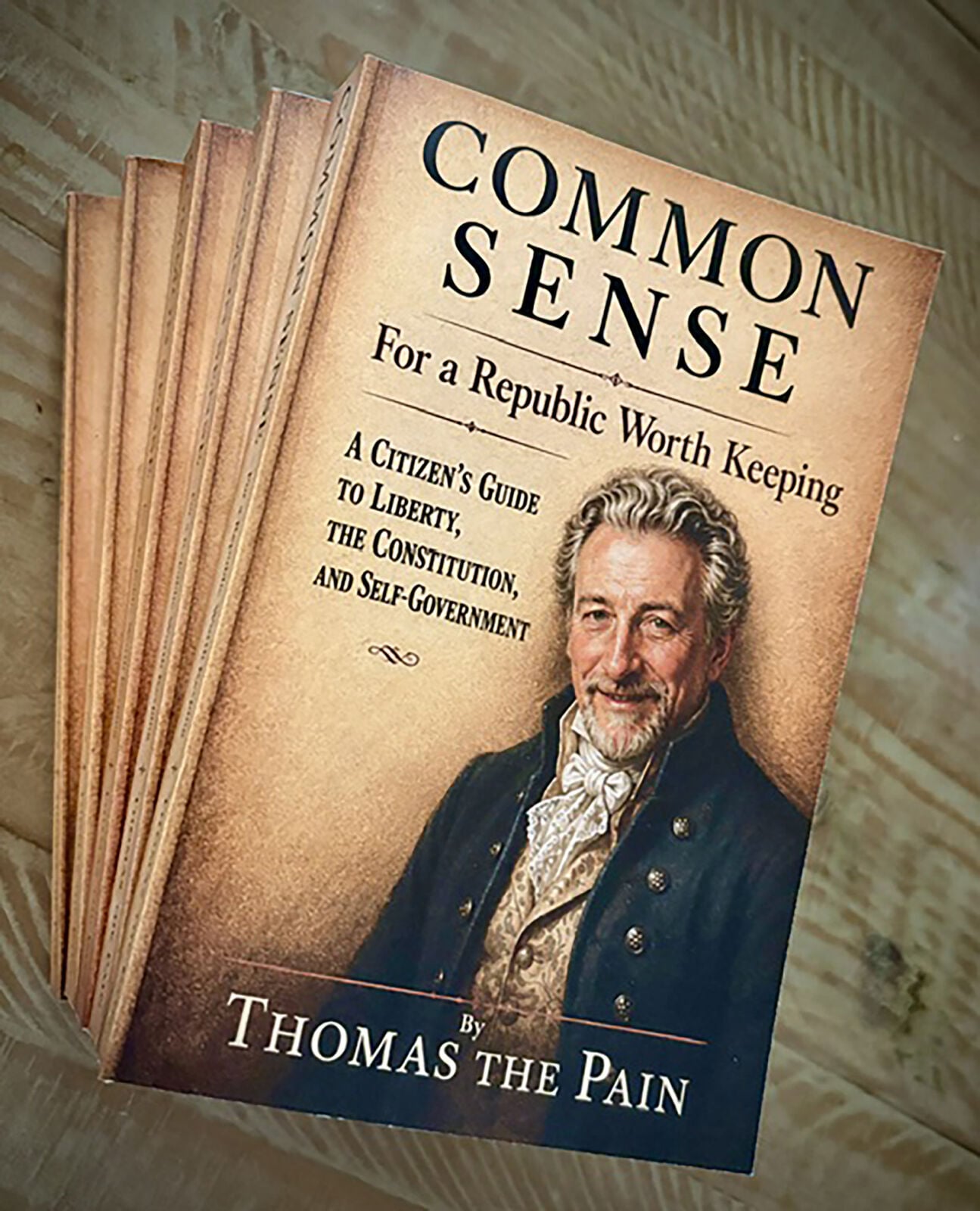
Photo by Lufkindailynews
Key Takeaways:
- Trey Allen has published a contemporary “Common Sense” under the pen name “Thomas the Pain.”
- The book is intended as a nonpartisan guide to the Constitution.
- It draws direct inspiration from Thomas Paine’s 1776 pamphlet.
- The publication marks the 250th anniversary of the Constitution.
- Allen’s goal is to foster renewed civic involvement.
A Tribute to the Constitution
Lufkin author Trey Allen has joined the historical conversation on liberty with a new publication called “Common Sense: For a Republic Worth Keeping: A Citizen’s Guide to Liberty, the Constitution, and Self-Government.” Marking the 250th anniversary of the Constitution, the book encourages the public to revisit the founding document that shaped American governance.
Homage to Thomas Paine
Inspired by Thomas Paine’s influential 1776 pamphlet, Allen wrote this guide under the pseudonym “Thomas the Pain.” By adopting a name so closely linked to the famous revolutionary writer, he aims to recall the spirit of the original “Common Sense,” which rallied American colonists toward independence.
A Nonpartisan Citizen’s Guide
The hallmark of Allen’s book is its nonpartisan approach. Rather than catering to any single political perspective, it seeks to unite readers through an impartial examination of the Constitution. At a time when public discourse can be polarized, Allen’s method underscores how the nation’s founding principles transcend party lines.
A Call for Civic Engagement
Allen’s primary mission is to encourage Americans to learn more about the roots of their democracy. He believes that understanding the Constitution—and the ideas that guided its framers—can empower citizens to become more active participants in self-government.
Looking Ahead
As the United States celebrates this landmark anniversary, Allen’s “Common Sense” offers a timely reminder of what the Constitution signifies. By reconnecting modern readers to a revolutionary tradition, he hopes to spark interest in a shared civic identity: one that transcends differences and works toward preserving liberty for generations to come.