As skepticism about election integrity grows, blockchain enthusiasts suggest a possible fix. By decentralizing the voting system, Web3 might well eliminate fraud and rebuild public trust in democratic institutions.
Subscribe
Analysis and Opinions
Policy Analysis
Voting Trends
If Presidential Elections used Blockchain, Could We Finally Trust the Vote Again?

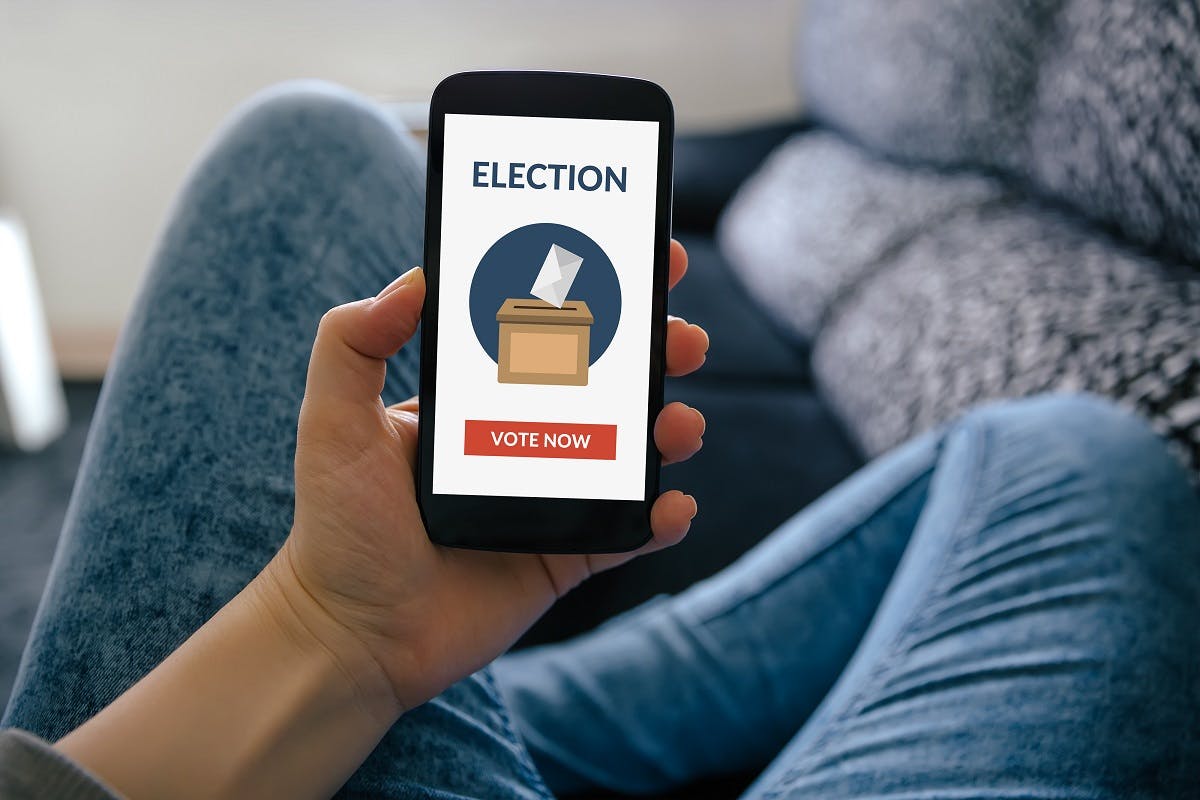
Photo by Hackernoon
Key Takeaways:
- Blockchain voting emerges as a potential solution to election fraud
- Web3 technology promises a transparent and secure voting experience
- Public trust in democracy is the central concern that blockchain aims to address
- Hackernoon’s timely coverage underscores evolving tech innovations
- The future of blockchain may reshape democratic processes worldwide
Introduction
Election integrity has never been more critical—or more doubted—than it is today. The question many are asking is whether blockchain technology could offer a new level of transparency, security, and trust. “Could blockchain make elections secure and trustworthy?” an article from Hackernoon proposes. The heart of the matter revolves around how Web3 can make every vote verifiable, reducing the risk of fraud and ushering in a renewed faith in democracy.
What Is Blockchain Voting?
Blockchain, a decentralized ledger technology, allows for transactions (in this case, votes) to be recorded in a way that is highly secure and nearly impossible to manipulate. By tying each vote to an immutable chain of data, this approach promises to address some of the most persistent challenges in modern elections—namely, the worry that votes can be tampered with or lost in opaque systems.
Potential Benefits of Web3 Elections
The hope is that by adopting a Web3-based platform, each vote would be stored in a transparent, publicly auditable manner. This decentralized structure ensures no single point of failure. Advocates argue that such a system could “eliminate fraud and rebuild trust in democracy” by providing detailed records that are visible to all, without compromising voter anonymity.
• Transparency: With every vote recorded on an open ledger, results could be audited in real-time.
• Security: The cryptographic nature of blockchain protects data against meddling.
• Trust: By automating the verification process, distrust in centralized authorities might diminish.
Challenges and Considerations
While the promise is significant, implementing blockchain-based voting on a large scale involves major logistical and legal considerations. Newpolicy frameworks, infrastructure readiness, and voter education play a big role. Critics also underscore that blockchain alone may not solve every election-related issue; factors like voter accessibility and digital literacy also matter.
The Road Ahead
Industry experts and democracy advocates view blockchain as more than just a technical upgrade—they see it as a potential turning point for civic engagement. As technology continues to evolve, so does the conversation around how to elevate the voting process. The Hackernoon article underscores a broader movement: the drive to ensure every voice is heard and accurately counted.
By placing voting on a tamper-proof ledger, blockchain might be the cornerstone of tomorrow’s electoral system. Though questions remain, this innovative approach marks a crucial step in the ongoing quest to protect the foundation of democracy.