Illinois is bracing for a possible Medicaid funding shortfall as new federal rules cap how much money states can raise through provider taxes. Experts say the shift could unsettle longstanding financial arrangements that help pay for Medicaid services.
Subscribe
Healthcare Reforms
Policy Analysis
Illinois Medicaid program faces looming funding crisis due to federal changes

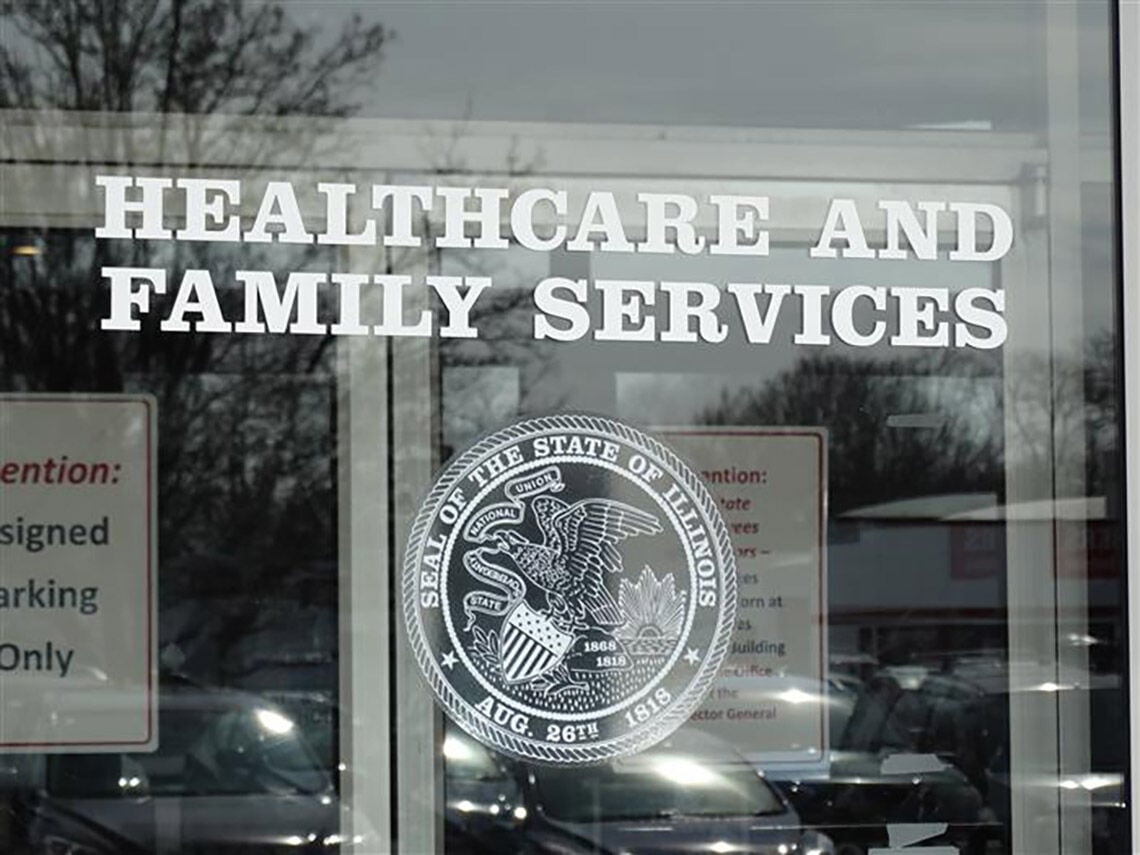
Photo by Southern Illinoisan
Key Takeaways:
- “One Big Beautiful Bill Act” restricts states’ ability to collect provider taxes for Medicaid.
- Illinois depends on provider taxes to help fund its Medicaid program.
- The Trump administration introduced these new limits on funding.
- State officials fear a looming financial crisis if revenue cannot be replaced.
Federal Caps Threaten Medicaid Revenue
New federal rules outlined in President Donald Trump’s “One Big Beautiful Bill Act” have tightened the caps on how states can raise funds for their Medicaid programs through provider taxes. This step is poised to have a significant impact on state budgets across the country.
How Provider Taxes Work
Provider taxes have long been a crucial tool for states to generate revenue for Medicaid, allowing them to leverage additional federal matching dollars. Healthcare providers, often hospitals and other medical facilities, are taxed by states, with the resulting funds put toward their portion of Medicaid costs.
Impact on Illinois
Illinois officials are particularly concerned about the tighter provider tax limits. Historically, these taxes helped cover a large share of Medicaid expenses, ensuring coverage for some of the most vulnerable residents. With the new caps, the state may struggle to compensate for any resulting shortfall, unless it finds alternative revenue sources or adopts new policies.
A Looming Funding Crisis
This change could strain the state’s budget significantly, especially if demand for Medicaid services remains constant or grows. The tighter the cap, the more difficult it becomes for Illinois to use provider taxes to bolster Medicaid funding and maintain coverage levels.
Confronting the Unknown
While the long-term effects remain uncertain, the Trump administration’s policy shift has signaled a new era in federal-state relations concerning healthcare funding. Observers warn that if Illinois cannot find other sources of support, its Medicaid program could be forced to adjust benefits, payment levels, or eligibility to remain financially viable.
Looking Ahead
For now, Illinois lawmakers and budget planners will likely monitor the impact of these new rules and explore potential adjustments. Whether the state will actively pursue new funding mechanisms or make cuts within its Medicaid program remains to be seen. However, under the tighter fiscal environment created by the “One Big Beautiful Bill Act,” officials must weigh how best to protect critical healthcare coverage for those in need.