The ongoing conflict between the United States, Israel, and Iran continues to reinforce Saudi Arabia’s view of Washington as its most reliable defense partner. Yet, as Tehran’s attacks escalate, the kingdom is signaling interest in broader global partnerships to protect its long-term interests.
Subscribe
Global Conflicts
International Politics
Middle East
Implications of the Iran War for U.S.-Saudi Relations
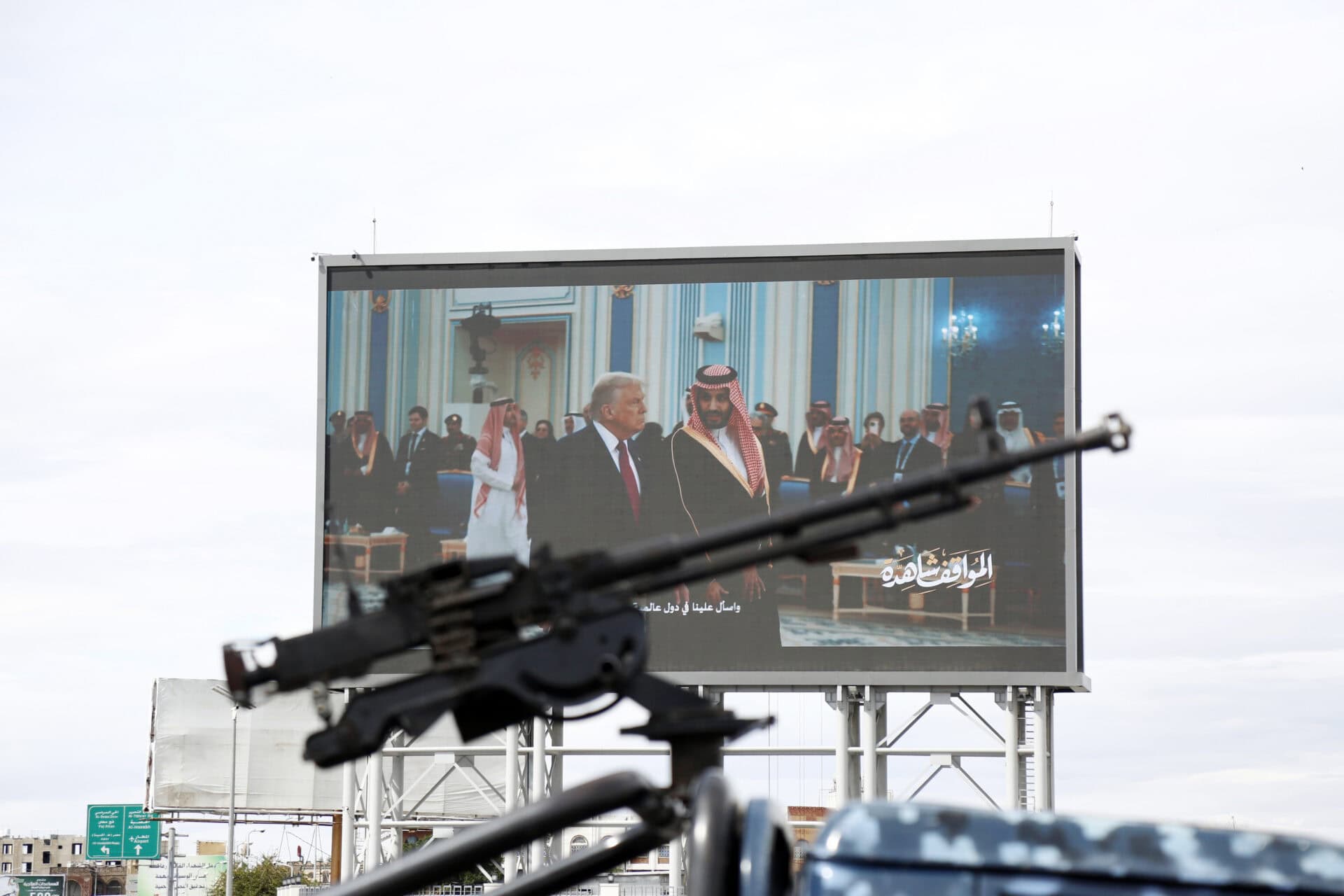
Photo by New Lines Institute
Key Takeaways:
- A regional war has heightened Saudi Arabia’s security concerns.
- Riyadh still relies heavily on the United States for defense.
- Iran’s escalating attacks across the Gulf magnify Saudi vulnerabilities.
- Saudi Arabia is exploring diversified global partnerships post-conflict.
- Long-standing differences between U.S. and Saudi interests are becoming more apparent.
The Continuing Conflict
The U.S.-Israel war with Iran is reshaping alliances across the Middle East, with Saudi Arabia in a strategic spotlight. The kingdom faces persistent threats from Iran, whose “escalating attacks across the Gulf” sharpen Riyadh’s sense of vulnerability. Despite complexities in the relationship, Saudi leaders see the United States as the “only viable partner to defend the kingdom” against growing regional dangers.
Saudi Arabia’s Security Imperatives
Saudi Arabia’s security strategy has traditionally revolved around an American anchor, particularly as tensions with Iran persist. The kingdom’s leadership believes Washington’s military power provides a necessary shield, a stance reinforced by ongoing hostilities. While some observers question whether U.S. interests in the region will remain robust over time, Saudi Arabia continues to value this longstanding alliance.
Diversifying Partners in a Changing World
Even as Riyadh works closely with the United States, it is “likely to continue to diversify its international partnerships.” This approach reflects the kingdom’s awareness of potential gaps between U.S. regional priorities and its own security needs. By cultivating ties with other global powers, Saudi Arabia aims to reduce over-reliance on any single ally, ensuring a more flexible and resilient foreign policy.
Long-Term Implications
Over the long run, these developments point to a shifting balance of power in the Middle East. Saudi Arabia’s partial pivot away from an exclusively American-centric approach is a reaction to “long-term divergences from U.S. regional interests.” In the aftermath of the conflict, as Tehran’s influence evolves and U.S. priorities adapt, the region may witness new alignments. These changes underscore the complexities of ensuring stability across the Gulf in a landscape shaped by enduring rivalries and emerging opportunities.