Ultra-Orthodox Jewish families, increasingly visible across Israel, have seen their numbers and political influence soar. As debates flare around compulsory military service, the tension between religious doctrine and civic responsibility highlights the broader evolution of Israel’s national identity.
Subscribe
Analysis and Opinions
Middle East
Political Movements
Israeli military service debate spotlights growing clout of ultra-Orthodox Jews

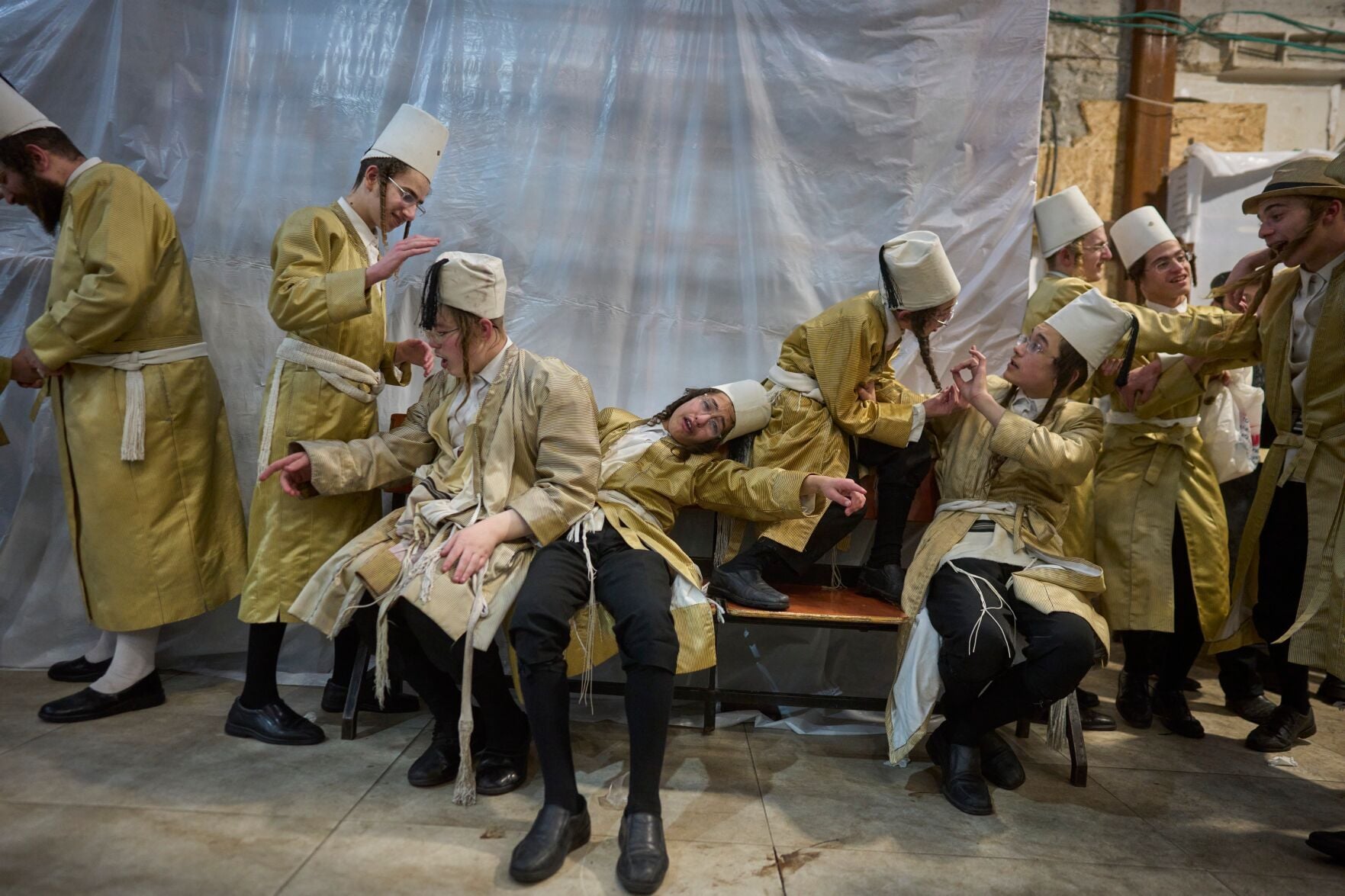
Photo by Owensboro Messenger And Inquirer
Key Takeaways:
- Ultra-Orthodox Jewish communities are rapidly growing in Israel.
- Their expanding political and cultural power is shaping national debates.
- Military service obligations remain controversial within these religious groups.
- This tug-of-war reflects broader questions of Jewish identity and civic duties.
- The outcome of this debate may shape Israel’s social and political landscape.
Rising Influence of the Ultra-Orthodox
Ultra-Orthodox Jewish families are increasingly present in all aspects of Israeli life. In the words of one report, they are “an unmissable facet” of the nation’s landscape. As their numbers expand, so do their political and cultural aspirations, pushing this community to the forefront of public discourse.
Balancing Religion and Civic Obligations
The growing clout of the ultra-Orthodox extends beyond their swelling demographics. Their deeply rooted faith traditions, from religious study to orthodox observance, have a strong bearing on how they interpret civic obligations. This influence challenges Israel’s broader notion of a unified civic identity, as leaders must reconcile different visions of faith and citizenship.
The Military Service Debate
One key point of contention lies in mandatory military service, a duty typically expected of Israeli citizens. This expectation has sparked debate about whether and how strictly it should apply to ultra-Orthodox men who prioritize religious study as a core aspect of their communal life. The debate underscores the tension between devout religious practice and the demands of a country that places a high value on universal conscription.
Implications for Israel’s Future
As the numbers of ultra-Orthodox adherents continue to grow, their perspectives on religion, politics, and civil duty are likely to shape Israel’s future. Some Israelis see this as a vital expression of Jewish identity, while others worry it may limit broader social and cultural freedoms. These shifts highlight a significant conversation on how faith and state should coexist in modern Israel—a dialogue that remains pivotal to the nation’s continuity and collective identity.