A $3 billion renovation under the Federal Reserve’s watch has raised eyebrows over alleged poor management and political motivations. Critics question whether such heavy spending threatens the central bank’s independence and further fuels ongoing economic debates.
Subscribe
Analysis and Opinions
Policy Analysis
Jerome Powell’s $3 billion Renovation Is Bad Optics for the Fight for Fed Independence

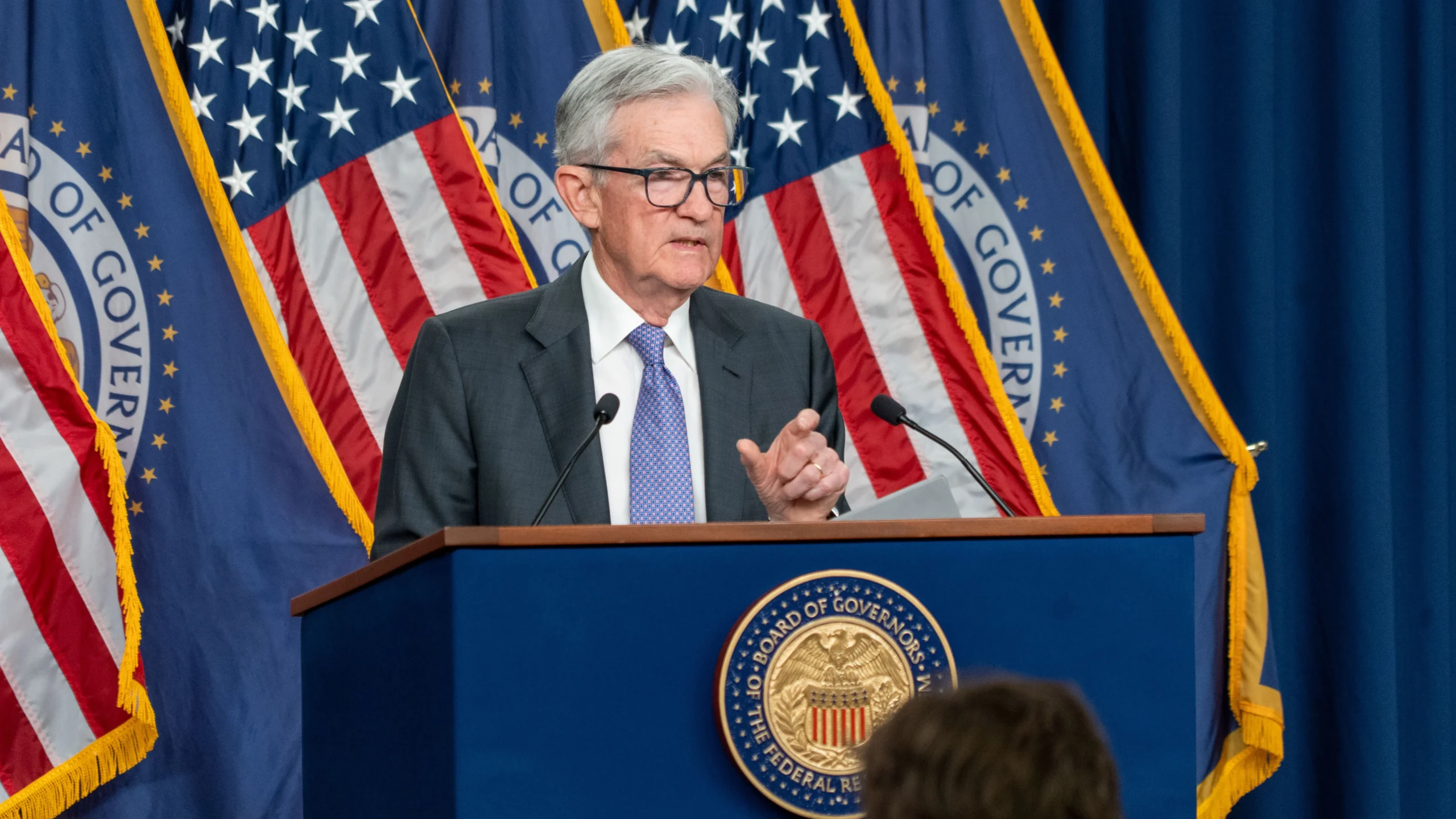
Photo by Inc
Key Takeaways:
- The renovation’s $3 billion cost has drawn criticism for excessive spending.
- Some observers see the project as a form of political cover.
- Concerns over the Federal Reserve’s autonomy are at the forefront.
- Allegations of poor management underscore scrutiny of the project.
- The timing of the undertaking magnifies public attention on the Fed’s decisions.
The $3 Billion Spotlight
A massive renovation project, pegged at $3 billion, has cast an intense spotlight on Federal Reserve Chair Jerome Powell. Critics have called the ballooning budget “poor management,” underscoring concerns about accountability in large-scale public ventures. While the plan’s details remain limited, the sheer cost has become the subject of growing public debate, pointing to broader questions about government expenditure.
Political Cover or Practical Necessity?
Some observers argue that the renovation serves as convenient political cover. In an era where the Federal Reserve faces heightened scrutiny from various corners, every move can be leveraged by opponents to critique its governance. The escalating budget, in particular, could hand detractors a potent talking point, suggesting the agency is insulated from real-world costs and political feedback.
Implications for Fed Autonomy
At the heart of these criticisms sits the issue of the Federal Reserve’s independence. While designed to operate without external pressures, the Fed still operates within the realm of public opinion. A project of this financial magnitude can influence the public’s perception of the central bank’s prudence and potentially open the door for political actors to cast doubt on its policy decisions.
Accountability in Construction Spending
Critics also point to “poor management” in overseeing the project’s costs, arguing that such missteps undermine the very notion of a fiscally responsible Federal Reserve. Whether the cost overruns stem from legitimate project requirements or lack of oversight remains an ongoing point of contention.
Ongoing Concerns
As the public waits for more details on the Federal Reserve’s plan, questions about timing and transparency persist. With confidence in central banks a recurring topic in policy circles, a $3 billion renovation risks adding more fuel to the debate about how—and why—money is spent at the highest levels of economic policymaking.