After 55 years, the Kyoto Minami Kaikan movie theater has been reborn in a 1993 building that once served as a bank. In an era dominated by streaming media, Tato Architects preserves the cinema’s history while introducing modern elements that ensure its continued relevance.
Subscribe
Industry News
Kyoto Minami Kaikan Movie Theater / Tato Architects

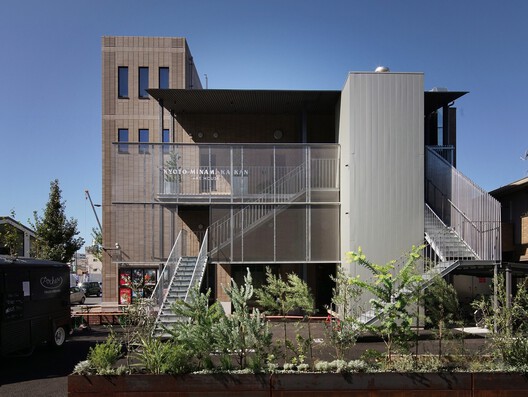
Photo by Archdaily
Key Takeaways:
- The Kyoto Minami Kaikan movie theater has been a cultural mainstay for 55 years in Kyoto.
- The new site for the cinema was originally built as a bank in 1993.
- Tato Architects led the renovation project, fusing historic tradition with modern design.
- Ensuring continuity of the theater’s identity was a key concern in its reinvention.
- The renovation responds to changing demands in a world where audiences can watch films on handheld devices.
A Long-Established Kyoto Icon
The Kyoto Minami Kaikan movie theater has been a treasured part of the city’s cultural scene for more than five decades. Once a small, beloved venue, it was known for its community-oriented atmosphere and the genuine passion for cinema it inspired among locals.
A New Landmark in an Old Bank
The recent project demanded the relocation of the theater to a building originally constructed in 1993 as a bank. This space presented both a challenge and an opportunity. How could architects create a modern film-viewing environment while retaining the distinctive character of the original theater? Tato Architects took on this challenge, tasked with ensuring that the spirit of Kyoto Minami Kaikan would not be lost in the process.
Preserving Memory, Embracing Change
“The question was how to convey, at once, the continuity of the ‘Kyoto Minami Kaikan’ held in the city’s memory and the fact that it had been made new—in an age when films can be watched in the palm of one’s hand,” notes the project description. From capturing the familiar warmth of the old space to integrating updated visual and sound technologies, every detail in the new design reflects the need to serve evolving expectations of movie lovers while respecting a cherished cinematic past.
Breathing New Life: The Architect’s Vision
Tato Architects recognized the building’s history as a professional space and encouraged an approach that balanced heritage with innovation. Their goal was to create a venue where tradition meets the demands of contemporary moviegoers. By retaining certain symbolic elements of the older cinema, they maintained the reminiscent charm, ensuring that regular patrons recognize and connect with the theater’s legacy.
Looking to the Future
As viewers increasingly turn to digital devices for entertainment, the Kyoto Minami Kaikan project highlights how historic theaters can remain an essential part of urban life. By adapting a 1993 bank building into a cultural site, Tato Architects show what is possible when preservation converges with modernization, setting a pioneering example for others seeking to safeguard history while innovating for the future.
| Project Details |
|---|
| ————————————————- |
| Name of Theater |
| Original Establishment |
| Location of Relocation |
| Lead Architect |
| Published By |
| Publication Date |