Longboat Key quickly addressed lighting concerns after more than 50 sea turtle hatchlings died on a neighboring island. By shielding lights visible from the shore, local volunteers and public officials hope future hatchlings can follow moonlight safely to the water.
Subscribe
Wildlife Protection
Longboat updates lighting over turtle concerns

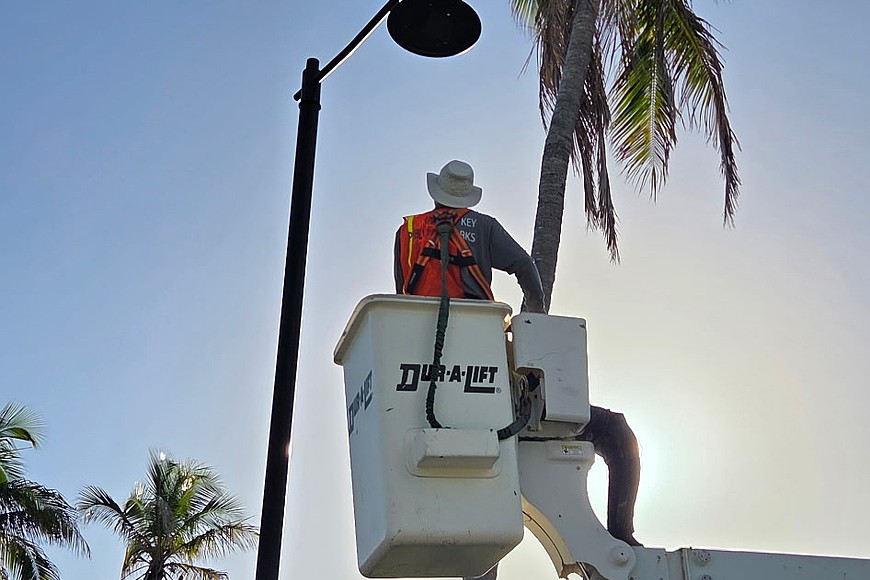
Photo by Your Observer
Key Takeaways:
- Human Lighting Disrupts Hatchlings
- Recent Turtle Deaths Prompt Awareness
- Longboat Key Responds Quickly
- Volunteers Monitor and Report Nest Issues
- Shielded Lights Provide Crucial Protection
Lighting Woes Prompt Local Action
Sea turtle hatchlings rely on moonlight to navigate from shore to ocean. This delicate balance was recently disturbed when more than 50 hatchlings on neighboring Anna Maria Island lost their way due to manmade lights. The news served as a wake-up call for communities along Florida’s Gulf Coast, including Longboat Key, where officials took immediate steps to prevent similar tragedies.
A Swift Response on Longboat Key
Volunteers with the Longboat Key Turtle Watch commended the town’s Public Works Department for acting quickly to review public lighting, especially on Gulfside Road. Although certain lighting fixtures had already been shielded, bright light was still visible from the shore. To correct this, local employees worked promptly to adjust fixtures, hoping to discourage any hatchlings from wandering away from the ocean.
Volunteers on the Front Lines
Much of the incident reporting comes from dedicated volunteers, who walk the beaches to ensure that nests remain undisturbed. Heather Sellers, a member of the Longboat Key Turtle Watch, revealed that patrollers encountered a dozen deceased hatchlings from one disoriented nest. Despite the grim discovery, volunteers found some survivors and guided them back on the right path, underscoring how vital ongoing vigilance is for protecting these fragile creatures.
Shielding Lights for Turtle Safety
At the core of the community’s solution is the principle that artificial light near nesting sites should be minimized or shielded. By focusing on redirecting or covering sources of illumination, Longboat Key aims to allow hatchlings to follow the moonlit path they rely on for survival. While volunteers and town workers have already taken important steps, the need for continued awareness remains paramount. Through their joint efforts, Longboat Key offers a guiding example of swift action to safeguard one of Florida’s most treasured marine species.