A mailed fecal immunochemical test (FIT) outreach program at federally qualified health centers initially boosted colorectal cancer (CRC) screening rates. Despite its success, the momentum was not sustained beyond the third year, pointing to the need for improved follow-up strategies.
Subscribe
Chronic Illness Management
Mailed FIT Outreach Boosts CRC Screening, but Gains Are Not Sustained

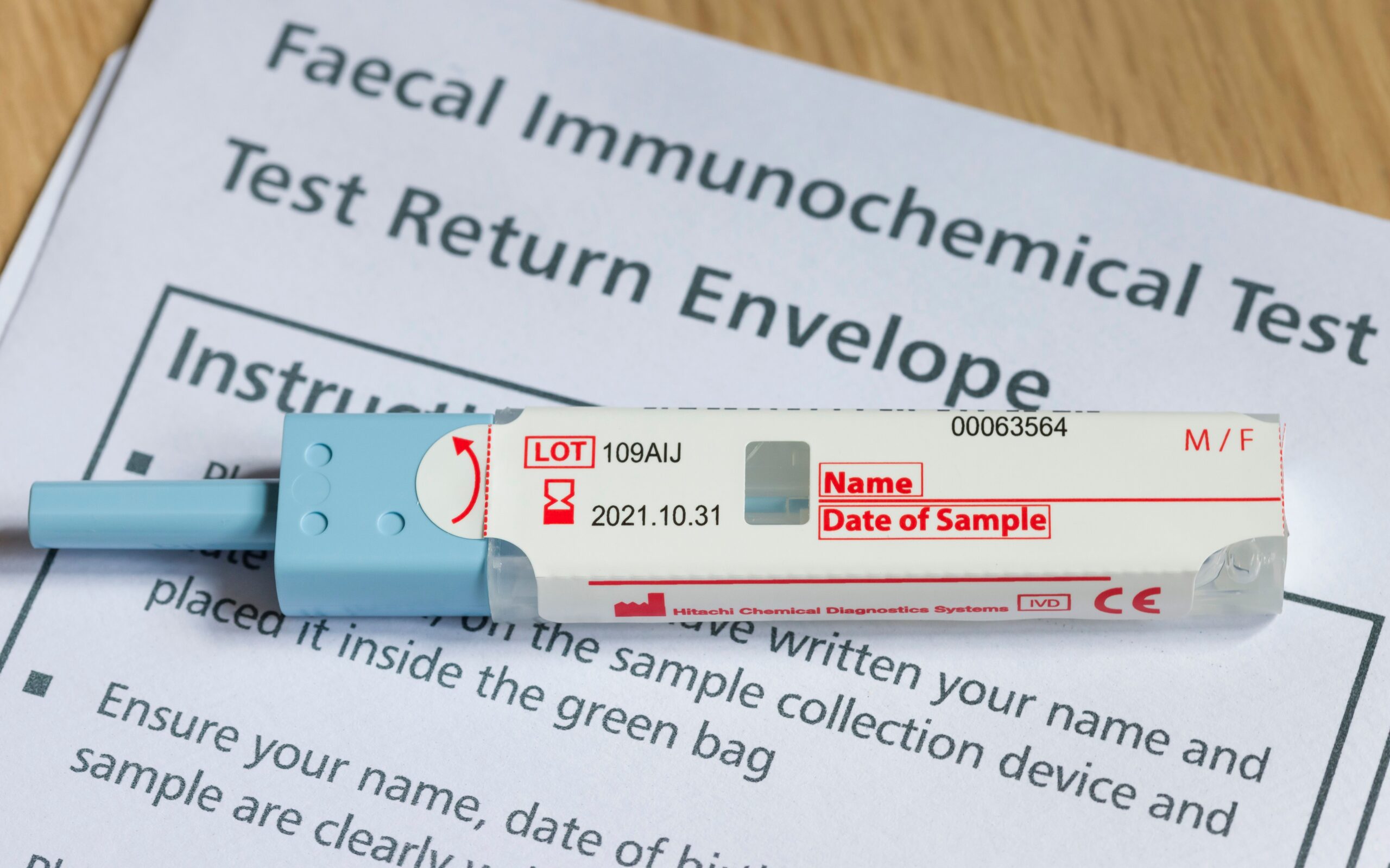
Photo by The American Journal Of Managed Care
Key Takeaways:
- Mailed FIT outreach led to higher CRC screening rates at federally qualified health centers.
- The initial surge in participation did not last past year 3.
- Fecal immunochemical tests remain a key resource for early CRC detection.
- Federally qualified health centers are vital for reaching underserved communities.
- Continued engagement strategies are essential for preserving screening gains.
The Power of Mailed FITs
Mailing fecal immunochemical tests (FIT) has gained attention as a novel method to boost colorectal cancer (CRC) screening. By placing key screening tools directly in the hands of patients, this approach was designed to reduce barriers, particularly for underserved communities and those who rely on federally qualified health centers (FQHCs).
Early Boost in Colorectal Cancer Screenings
In its initial phase, the mailed FIT strategy effectively increased CRC screenings. FQHCs reported that patients were more than willing to complete the simple tests at home and return them for analysis. This convenient process showcased the value of proactive outreach, inspiring optimism among healthcare advocates and administrators.
Relapse in Participation After Year 3
However, these encouraging results did not last. By year 3, the screening rate gains had started to decline, suggesting that while direct mail can successfully motivate individuals to get tested in the short term, this momentum requires ongoing support. The diminishing returns highlight the need for enhanced follow-up and continuous patient engagement.
Role of Federally Qualified Health Centers
FQHCs stand at the forefront of community health, offering essential care to underserved populations. Their participation in the mailed FIT initiative provided valuable insights into how to reach patients who may otherwise face barriers to care. Future screening efforts may build upon this success by focusing on regular communication, education, and simple testing methods.
Looking Forward
Mailed FIT outreach underscores a powerful approach to improving CRC screening rates, pointing the way for similar population-wide preventive efforts. For these gains to endure, future strategies must focus on sustained engagement, ensuring that patients continue to prioritize regular screenings beyond the initial campaign.