Researchers have spent more than three decades studying ticks, mice, oak trees, and other wildlife in a single New York forest. Their latest findings suggest that mice, more than deer, may drive the spread of Lyme disease. These results challenge long-standing assumptions and could reshape efforts to control this prevalent illness.
Subscribe
Infectious Diseases
Mice may drive Lyme disease more than deer

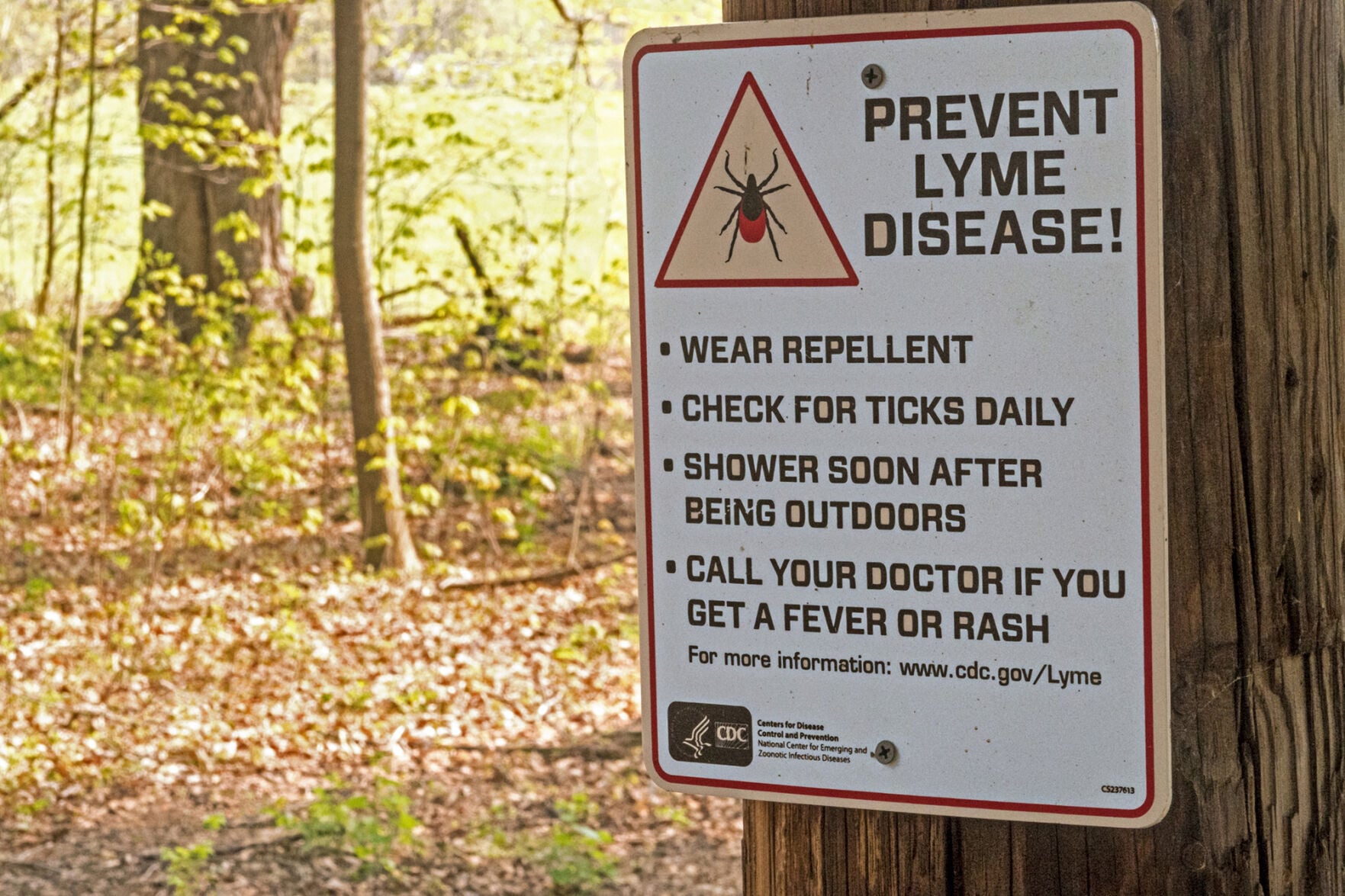
Photo by The Brunswick News
Key Takeaways:
- Researchers have monitored a New York forest for over 30 years
- The study examines ticks, mice, oak trees, and other wildlife
- Findings suggest mice may be more influential than deer in Lyme disease spread
- Long-held assumptions about deer are being questioned
- The research aims to better understand factors influencing Lyme disease transmission
Background of the Long-Running Study
For over three decades, researchers have closely observed a New York forest, collecting data to better understand what fuels the spread of Lyme disease. They have tracked ticks, monitored local wildlife, and studied environmental factors like oak tree populations to see how everything interconnects over time.
The Focus on Wildlife
Central to this study is the interplay between ticks, mice, and oak trees. Ticks rely on hosts to reproduce and spread, and mice are increasingly seen as crucial in this process. By examining these animals alongside other forest species, the researchers hope to see precisely how Lyme disease pathogens move through the environment.
Challenging Assumptions About Deer
For many years, deer were widely viewed as the primary culprits in Lyme disease transmission. However, this long-term research suggests mice may play a greater role than previously thought. While deer do carry ticks, the scientists’ findings point to mice as potentially more influential in sustaining and spreading Lyme disease within the forest.
Looking to Future Research
These insights challenge decades of thinking about Lyme disease ecology. With mice garnering more attention, researchers and public health officials may need to re-evaluate existing control strategies. Although further details remain part of ongoing studies, this shift in perspective highlights the complexity of Lyme disease and the importance of understanding every factor involved.











