NASA is preparing to launch six small satellites in summer 2026 as part of its SunRISE program. These satellites will join forces to pinpoint the direction of harmful solar particles, ultimately helping to protect astronauts and critical satellite infrastructure in orbit.
Subscribe
Space Technology
NASA to launch six satellites that will study and map particles from the Sun

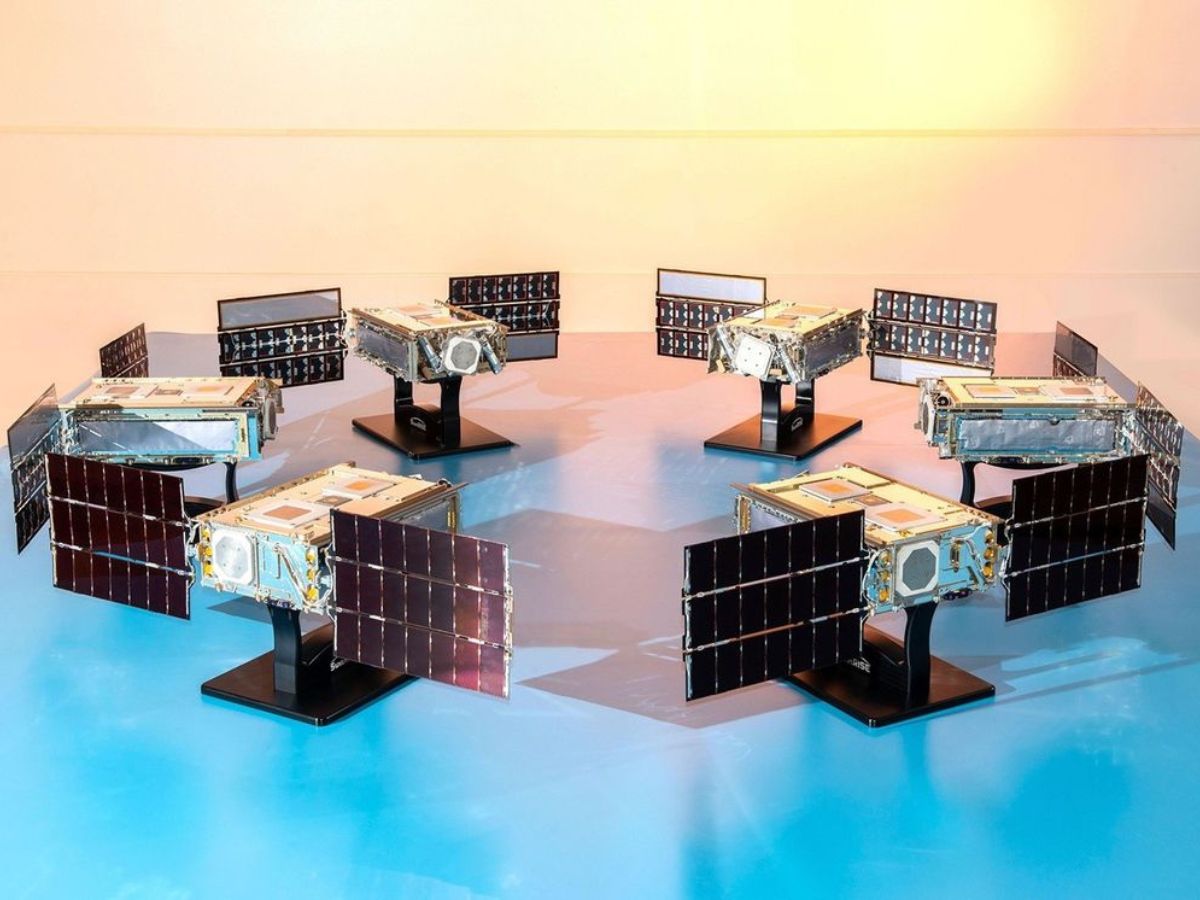
Photo by Notebookcheck
Key Takeaways:
- NASA aims to launch the SunRISE mission in summer 2026
- Six small satellites will form the backbone of this heliophysics study
- The mission’s goal is to determine the direction of harmful solar particles
- Safety of astronauts and satellites is the top priority
- This effort underscores ongoing progress in space exploration and protection
The Mission
NASA has announced plans for an ambitious heliophysics mission set to launch in the summer of 2026. Dubbed SunRISE, this initiative calls for six small satellites to work collaboratively in studying and mapping particles emitted by the Sun. By tracking the direction of these harmful particles, NASA hopes to bolster protective measures for astronauts and spacecraft.
Why It Matters for Astronauts
Space travel carries inherent risks, especially from solar radiation. Harmful particles traveling from the Sun at high speeds can jeopardize astronaut health. The SunRISE satellites will gather data to clarify the paths of these particles, equipping mission planners with better forecasts and safety protocols for future crewed missions.
Protecting Satellites in Orbit
In addition to human spaceflight, the SunRISE mission is vital for satellite technology. Operating satellites are vulnerable to sudden bursts of solar radiation, which can disrupt communications and damage electronics. By identifying the pathways of these solar emissions, SunRISE will help shield essential orbital assets from potential harm.
Looking Ahead
As summer 2026 approaches, NASA’s SunRISE mission represents a significant step toward a safer era of exploration. The coordinated efforts of these six small satellites could offer unprecedented insight into the behavior of the Sun’s particles. Should the program meet its objectives, both astronauts and satellites stand to benefit from this proactive approach to space weather forecasting.